Practical information New Zealand
Preparing a trip to New Zealand requires anticipating some formalities, and that's precisely what Maud and our team based in Wellington detail in this section. The country has required since 2019 an electronic authorization, the NZeTA, to be requested online 72 hours before departure, accompanied by an IVL tourist tax of 100 NZD. On the health side, no vaccines are required but good travel insurance coverage remains essential given the distances and cost of care. The average daily budget ranges between 180 and 280 NZD per person excluding international flights, or approximately 100 to 160 euros, more if you add helicopter excursions to Fox Glacier or cabin cruises to Doubtful Sound. The climate is reversed compared to Europe: December to March corresponds to the austral summer, June to September to winter and ski season. Temperatures vary greatly between subtropical Northland and rainy Fiordland. On the transport side, driving is on the left, distances are long (1,600 km from north to south) and domestic flights with Air New Zealand remain the fastest way between the two islands, supplemented by the Wellington-Picton ferry. Safety is globally excellent, the country ranks among the safest in the world. A few Maori etiquette codes (not sitting on tables, removing shoes before entering a wharenui) facilitate exchanges in the region.
Plan your trip by theme
Explore our practical guides organized by category to quickly find the information you need.

Before You Go
NZeTA mandatory 72 hours before flight, IVL tax of 100 NZD, passport valid 3 months after return, repatriation insurance strongly recommended.
3 articles
Budget Money
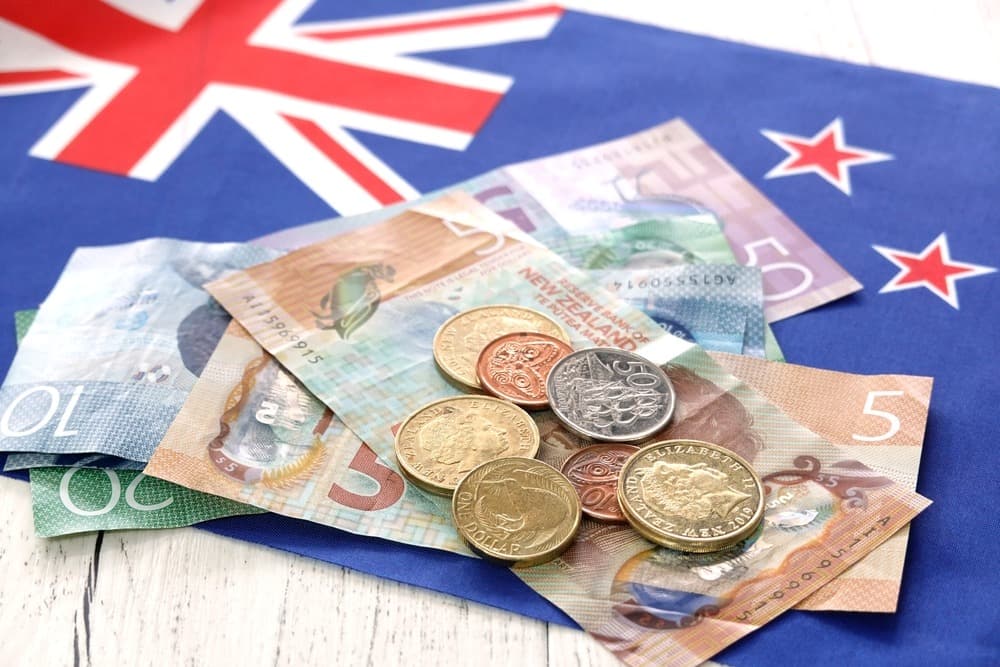
New Zealand dollar (NZD), 1 EUR ≈ 1.80 NZD, expect 180 to 280 NZD per day and per person, cards accepted everywhere.
2 articles
Climate Season
Inverted seasons, austral summer from December to March, winter from June to September, climate highly contrasted between Northland and Fiordland.
1 article
Transports
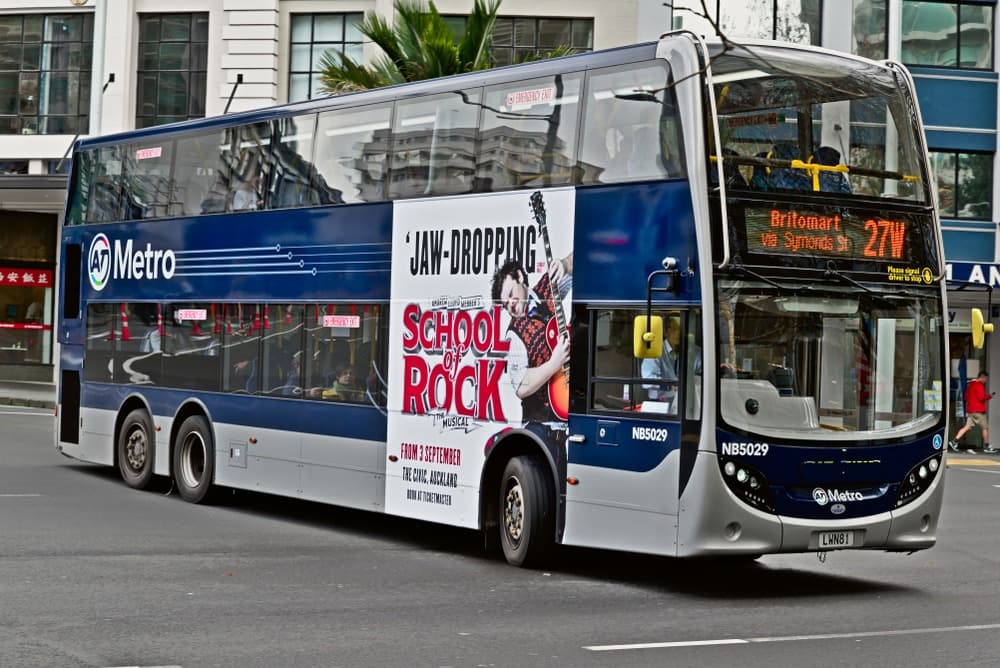
Left-hand driving, car or motorhome rental, Air NZ domestic flights, Wellington-Picton ferry in 3h30, long distances.
1 article
Culture
Maori protocols in marae, remove your shoes, respect for tapu, tipping not required, punctuality appreciated.
2 articles
Useful Tips
Very safe country, drinking water everywhere, Type I power outlets, decent mobile coverage except in Fiordland, remember to pack rain gear.
6 articlesAll practical guides
Search and filter among 15 articles



15 of 15 results
Frequently asked questions
The answers to the most frequently asked questions from our travellers.
French, Belgian, Swiss and Canadian travellers do not need a visa for a tourist stay of less than 90 days, but must obtain the NZeTA (New Zealand Electronic Travel Authority) before departure. The application can be made online or via the official app, costs 17 NZD on the app or 23 NZD on the website, and remains valid for 2 years. In addition, there is the IVL tax (International Visitor Conservation and Tourism Levy) of 100 NZD, collected during the same process. Allow a minimum of 72 hours for processing, sometimes just a few minutes. Your passport must be valid for at least 3 months after your planned return date.
No vaccines are mandatory to enter New Zealand from Europe or Canada. We simply recommend staying up to date with routine vaccinations: diphtheria, tetanus, polio, pertussis, hepatitis B, and MMR. The country has no malaria, dengue, or yellow fever. The main health risk comes rather from outdoor activities: severe sunburn under the ozone hole (very high UV index even on overcast days), hypothermia in the mountains, and giardiasis if you drink river water without filtering it. A consultation with your doctor one month before departure is more than sufficient.
Excluding international flights (1,200 to 1,800 EUR from Paris), expect 100 to 160 EUR per day and per person for a comfortable trip: accommodation in a motel or B&B (120 to 200 NZD for a double room), meals (20 to 35 NZD at a restaurant), car rental (60 to 90 NZD/day) and fuel. Flagship activities add up quickly: Milford Sound cruise 100 NZD, heli-hiking on Franz Josef 600 NZD, bungee jumping in Queenstown 280 NZD. For 3 weeks for two people, budget 6,000 to 9,000 EUR including flights, more if you multiply experiences.
The austral summer from December to March offers the mildest temperatures (18 to 28 °C), long days and all Great Walks open. It's also peak season, with crowds in Queenstown and Milford during the holidays. We often recommend February-March and October-November: still favourable weather, lower rates and less crowded trails. Autumn (April-May) is stunning for the colours around Wanaka and Arrowtown. Winter (June-September) suits skiers and southern lights enthusiasts in the South, but closes certain passes. July-August remain the wettest months on the west coast.
A rental car remains the most flexible way to travel, essential for exploring secondary roads and the Catlins. Driving is on the left, with strict speed limits (100 km/h max), and distances are long: 1,600 km separate Cape Reinga from Bluff. Motorhomes are very popular with travelers, with a dense network of DOC campgrounds at 15 NZD per night. To travel between the two islands, the Interislander ferry between Wellington and Picton takes 3h30 and accommodates vehicles. Air New Zealand and Jetstar domestic flights help save time on long distances (Auckland-Queenstown in 2 hours). The InterCity bus network serves most destinations for travelers without a car.
New Zealand regularly ranks in the top 5 safest countries worldwide, with very low crime rates and strong political stability. Standard precautions suffice: don't leave visible objects in your car at hiking trail parking lots, where opportunistic thefts do occur. Real risks are mainly natural: seismic activity (report your itinerary to the DOC when in the mountains), tsunamis on certain coasts, powerful ocean currents on west-facing beaches. The southern sun burns quickly, SPF 50 sunscreen is essential. When hiking, weather changes fast—always pack warm layers and a waterproof jacket even in summer.
Ready to travel to in New Zealand?
Discover our tailor-made itineraries, designed by our local team. Each route adapts to your pace, your preferences and your travel season.
See our toursWe use cookies to improve your experience and measure our site's audience. You can choose what you accept. Learn more.