Dining in New Zealand
Exploring New Zealand is about far more than marveling at its majestic landscapes or hiking its renowned trails. One of the most delicious ways to discover this country is to sit down to a local dish, whether in a Wellington café, on a Southland beach, or in the heart of a Māori village.
Exploring New Zealand is about far more than marveling at its majestic landscapes or hiking its renowned trails. One of the most delicious ways to discover this country is to sit down to a local dish, whether in a Wellington café, on a Southland beach, or in the heart of a Māori village. New Zealand cuisine, far richer than one might imagine, blends Māori traditions, British colonial heritage, Asian influences, and exceptional local produce. Far from being limited to fish and chips, Kiwi gastronomy captivates through its authenticity, freshness, and remarkable diversity.
A cuisine rooted in tradition, fusion, and simplicity
New Zealand gastronomy has evolved from a subtle blend of cultures. You'll find distinctly British dishes like meat pies and puddings, alongside recipes inspired by Polynesian peoples—particularly the Māori—and strong influences from world cuisines. Add to this a growing emphasis on local ingredients, often sourced from organic farming or sustainable fishing practices.
Major cities like Auckland and Wellington brim with fusion restaurants blending European, Asian, and Māori recipes in contemporary settings. Yet the cuisine remains fundamentally authentic, simple, generous, and convivial. Dishes are rarely heavily spiced; meats are often cooked through, while vegetables are served crisp, sometimes nearly raw.
What are the typical dishes and culinary specialities of New Zealand?
Hāngī, the traditional Māori dish
Hāngī is an ancestral Māori cooking method. Meats, fish, and vegetables are placed in baskets buried in a pit, steamed over hot stones, then covered with wet mats and earth. The result is a tender, smoky dish infused with natural flavors. You'll find it at special events or Māori evenings organized in Rotorua or elsewhere.
New Zealand lamb
Renowned worldwide for its quality, lamb is often served roasted, grilled, or as heart-of-the-chop. It may be accompanied by mashed kumara—the local sweet potato—or enhanced with mint sauce, redcurrant jelly, or creative combinations like lamb with kiwi and camembert.
Fish and chips
Ubiquitous along the coasts, this iconic dish pairs fried fish (hoki, cod, or snapper) with thick-cut fries. Enjoyed by the seaside, takeaway, or on a public bench, it's typically wrapped in paper.
Whitebaits
These small white fish are fried or incorporated into omelettes. A refined specialty, they're prized for their delicate texture and savory flavor.
Meat pie
The meat pie is an institution. Filled with beef, lamb, bacon, cheese, or gravy, it's sold in every bakery, café, and service station. Some consider it the true national dish.
Other savory specialities
New Zealand also features:
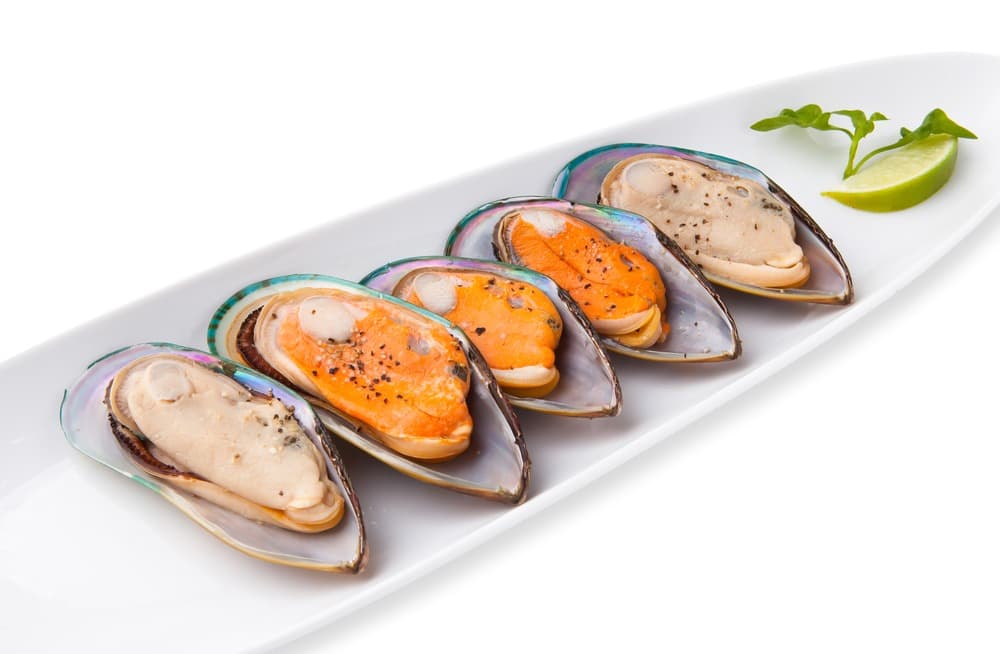
- Green-lipped mussels in cream or gratinéed
- Mutton birds (whole roasted birds)
- Boil up (Māori stew with dumplings)
- Rēwena bread made from fermented potatoes
- Venison dishes
- And more
What New Zealand desserts are a must-try?
Iconic desserts
Pavlova is the star of festive tables. This crisp meringue dessert topped with whipped cream and kiwifruit (or strawberries, passion fruit) embodies the country's culinary identity. Ice creams like hokey pokey (vanilla and crunchy caramel) are equally beloved.
Pastries and biscuits
Among the essential pastries and biscuits to try:
- Louise Cake
- Lamington
- Chocolate Fish (chocolate-covered marshmallow)
- ANZAC biscuits (oats and coconut), created for the Australian armed forces
- Afghan biscuits (chocolate and cornflakes)
- Lolly cakes—no-bake treats with marshmallow as the star ingredient, typical at birthday celebrations
- And more
What beverages are emblematic of New Zealand?
Local beers
Beers hold pride of place among alcoholic beverages. Each region has its specialities: Lion Red, Speight's, DB Draught, DB Natural... Microbreweries are booming.
New Zealand wines
The country produces outstanding wines, notably the Sauvignon Blancs from Hawke's Bay and Marlborough. Reds (Pinot Noir, Merlot) are gaining increasing recognition. Wine estates, or wineries, can be visited across both main islands of New Zealand, particularly on the South Island.
Other beverages
Flat white is the preferred coffee of Kiwis. Tea, inherited from British culture, remains highly cherished. As for Marmite (or Vegemite), it's a salty yeast spread often slathered on breakfast toast.
Meal times and eating habits
New Zealanders enjoy a hearty breakfast between 7am and 9am. Lunch is often quick, starting around 11:30am, while dinner is eaten early, between 6pm and 8pm. It's best to avoid arriving too late at restaurants, especially in small towns where kitchens close as early as 8pm.
In restaurants, you'll consistently find meat, fish, or vegetarian options. Bread isn't automatically included and must be ordered separately. The average cost of a main course ranges from 25 to 45 NZD. Cafés offer soups, quiches, sandwiches, pizzas, and salads. For beverages, expect around 5.50 NZD for an espresso, 4 NZD for a bottle of water, 5 NZD for fresh orange juice, 12 NZD for a pint of beer, and 14 NZD for a glass of wine.
Where to eat and shop for groceries?
Restaurants and cafés
Restaurants feature cuisines from around the world, from Indian to Japanese. Fast-food outlets serve hamburgers and fries. Cafés and brasseries offer simple fare like jacket potatoes or fried seafood. Authentic New Zealand cuisine is best discovered in mid-range to fine-dining establishments that showcase local produce through original recipes.
Supermarkets and specialty stores
Major chains include PAK'nSAVE, Countdown (Woolworths), New World, and Fresh Choice. Prices are comparable to those in France. Dairies (like Four Square), open daily, round out the offering with basic provisions and extended hours.
Markets and direct sales
Weekend farmers' markets are hugely popular throughout the country. You'll find organic produce, Manuka honey, seafood, exotic fruits like feijoa or tamarillo, sourdough breads, and homemade prepared dishes. Certain markets—such as those in Wellington, Gisborne, or Christchurch—also host street food vendors.
Along country roads, unmanned farm stands offer fruits and vegetables on an honor system. Payment is deposited in a metal box, based on trust.
FAQ
What is the typical fruit of New Zealand?
The typical fruit of New Zealand is the kiwifruit, a symbol of the country as much in culinary terms as in cultural identity.
What is the most typical dish of New Zealand?
The most typical dish of New Zealand is hāngī, a traditional Māori cooking method featuring meat, fish, and vegetables slow-cooked in a pit over hot stones.
What is the most consumed food in New Zealand?
One of the most consumed foods in New Zealand is meat, particularly lamb, which is emblematic of New Zealand gastronomy.