Language and useful expressions in New Zealand
Setting foot in New Zealand, you might think that speaking English is enough to get by. But from the first exchanges, it becomes clear: here, the language has its own accent, flavor, and
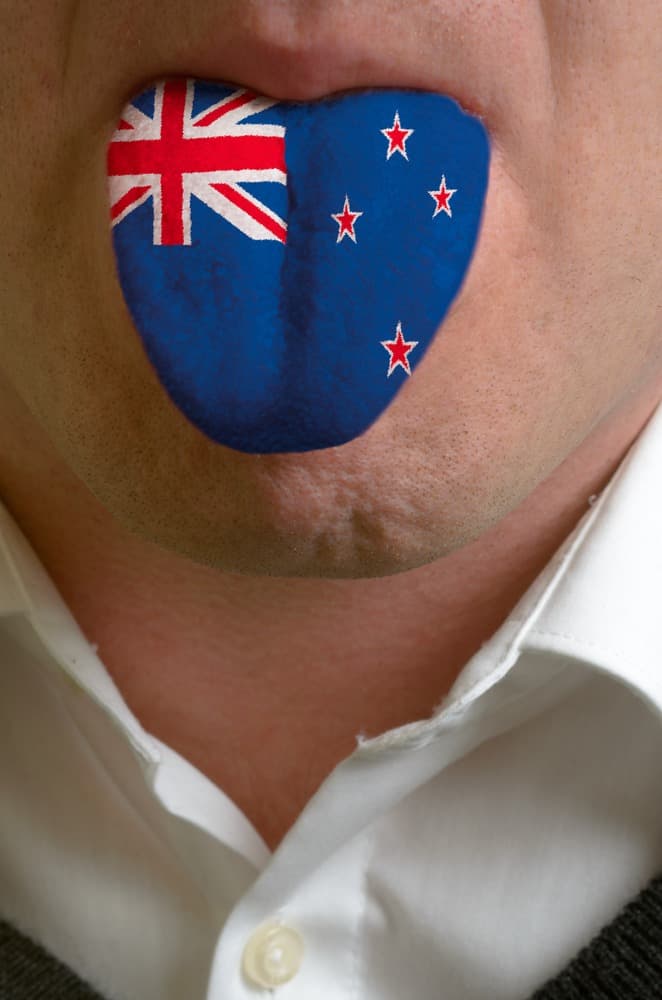
Setting foot in New Zealand, you might think that speaking English is enough to get by. But from the first exchanges, it becomes clear: here, the language has its own accent, flavor, and spontaneity all its own. Between local turns of phrase, expressions borrowed from Australia, and a bewildering pronunciation, New Zealand English surprises more than one traveler. Add to this the omnipresence of Māori, the country's identity language, and you have a truly unique linguistic universe. Far more than simply a means of communication, language in New Zealand reflects all the warmth and openness of its people.
An English with local character
New Zealand English, the country's dominant language, is the most widely spoken. Yet its pronunciation and phrasing resemble neither British nor American English. It shares many traits with Australian English: the same melodic accent, the same passion for abbreviations and slang. You'll therefore unsurprisingly hear "brekkie" for breakfast, "arvo" for afternoon, or "barbie" for barbecue.
The pronunciation of vowels is a strong marker of the Kiwi accent. The "i" often transforms into a sound close to "u"; the famous "fish and chips" becomes a delightful "fush and chups." This distortion, combined with rapid diction and often rising intonation, sometimes gives sentences the air of questions. It's not uncommon at a supermarket or hostel to need to ask an interlocutor to repeat themselves—and it's not considered rude. Even native English speakers are sometimes thrown off.
A Kiwi style: informal, direct, and warm
The way Kiwis (the nickname for New Zealanders) speak reflects their mindset well: relaxed, accessible, warm. On the street, in shops or on transport, it's common to be addressed without apparent reason. Asking how your holidays are going or striking up a conversation about the weather is simply part of local culture. It's neither excessive politeness nor flirtation: just genuine interest in another person.
This linguistic friendliness also translates into a very relaxed approach to formal rules. Using first names is spontaneous, names are used from the first contact, and humor (often self-deprecating) punctuates exchanges. It's entirely acceptable to not understand, to ask for an explanation, or to stumble over typical expressions: Kiwis will always make the effort to help you.
Māori, a New Zealand language thriving today
New Zealand has three official languages: English, New Zealand Sign Language (NZSL), and the Māori language (or te reo Māori). This latter, historically spoken by the land's people, has experienced genuine revival since the 1980s. Today, it's taught in language schools, visible on road signs, and used in public ceremonies. Although only 4% of New Zealanders speak Māori fluently, its presence is tangible in daily life.
During your trip to New Zealand, you'll hear and see Māori words such as:
- "Aotearoa": Māori name for New Zealand, meaning "the land of the long white cloud."
- "Kia ora": hello, hi.
- "Whānau": family.
- "Hui": gathering.
- "Koha": gift, offering.
- "Tapu": sacred, forbidden.
- "Waka": traditional canoe.
- "Kai": food.
- "Aroha": love.
- "Haere mai": welcome.
- "Ata mārie": good morning.
- "Whare paku": toilet.
Other Māori words designate place names: "awa" for river, "roto" for "lake," "maunga" for mountain, "puke" for hill, "whanga" for bay, etc. They're omnipresent in local television broadcasts, signage, and official documents.
Locals greatly appreciate when visitors attempt a few basic words or phrases. You don't need fluency in the language, but knowing "Kia ora," "Ka pai" (all good), or "Haere rā" (goodbye) can really make a difference.
What are the common Kiwi expressions you should know to communicate better?
English as spoken in New Zealand is full of typical expressions drawn from everyday language, often bewildering to the uninitiated. Here are some of the most useful:
- "Sweet as": means "great," "awesome," "all good."
- "Good as gold": everything's perfect, no worries.
- "Chur" or "cheers bro": a friendly way to say thanks.
- "Choice!": used to say "okay" or express enthusiasm.
- "Yeah-nah": a polite way to say no without offending.
- "Wop-wops": middle of nowhere, an isolated spot.
- "Tramping": hiking (often over several days).
- "Togs": swimsuit.
- "Jandals": flip-flops.
- "Dairy": local corner shop.
- "Chilly bin": portable cooler.
- "Bring a plate": bring a dish to share (at a party).
- "She'll be right": everything will be fine, no worries.
- "Bob's your uncle": there you go, it's done.
- "Rattle ya dags": hurry up.
- "To be stocked": to be thrilled, delighted.
- "To be munted": broken, ruined (or drunk, depending on context).
- "Smoko": cigarette break or work break.
- "Skull it": drink it all at once.
- "OE": Overseas Experience, a gap year abroad.
These typical expressions are used by both young people and adults, in big cities as in rural areas. Adopting them means entering a little into the intimacy of this English-speaking country.
Adapting with a smile
Let's be honest: Kiwi English isn't always easy to understand. Certain accents, notably those of Māori communities or in remote areas, can seem very different from what you learn in a language school. It's common to understand nothing in your first conversation with a cashier or bus driver. It's neither a sign of incompetence nor lack of politeness: it's simply an adjustment period.
To help you, here are a few useful initiatives:
- Watch local television programs or New Zealand films in their original version.
- Politely ask for repetition if you don't understand; Kiwis won't take offense.
- Don't hesitate to imitate certain turns of phrase or attempt a few typical expressions: it's often an excellent conversation starter.
Above all, keep in mind that New Zealand is one of the most welcoming countries in the world. You come for the landscapes, but you return for its people.
FAQ
How do you say hello in Māori?
In New Zealand, you say hello in English with "hello" or in the Māori language with "kia ora."
How do you say "I love you" in New Zealand?
In New Zealand, you say "I love you" in the Māori language with the expression "Aroha au ki a koe," which literally means "my love goes toward you."