What to Pack for New Zealand
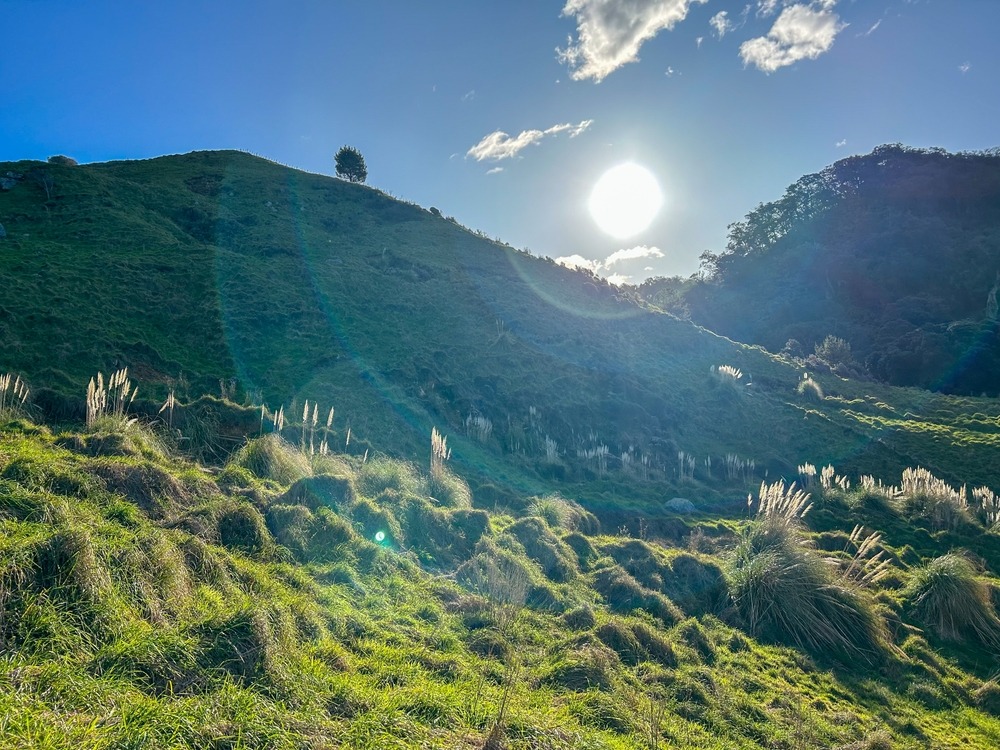
Hikes to volcanic summits, dips in hot springs, kayaking on glacial lakes, or evenings by the fire... New Zealand offers endless outdoor experiences. To make the most of them, it's best to pack a suitcase suited to the country's unpredictable climate, its reversed seasons, and the diversity of outdoor activities.
Hikes to volcanic summits, dips in hot springs, kayaking on glacial lakes, or evenings by the fire... New Zealand offers endless outdoor experiences. To make the most of them, it's best to pack a suitcase suited to the country's unpredictable climate, its reversed seasons, and the diversity of outdoor activities.
Understanding New Zealand's Climate
New Zealand has a temperate climate with seasons reversed compared to France and European countries: summer runs from December to February, winter from June to August. Temperatures are highly variable, to the point that New Zealanders like to say you can experience "four seasons in a single day." This means you must always be prepared to face a downpour, wind, or temperature drop, even in the height of summer.
How to Dress and Equip Yourself for New Zealand According to the Season?
In summer, opt for lightweight and comfortable clothing such as t-shirts, shorts, short-sleeved shirts, a hat or cap, paired with a cardigan for cooler evenings. A swimsuit is essential, as beaches, lakes, and hot springs are everywhere.
In winter, especially on the South Island, plan for a down jacket or anorak, merino wool thermal underwear, a beanie, gloves, thick socks, and a pair of waterproof hiking boots. A windbreaker is essential at altitude, even on sunny days.
Beyond the seasons, the local dress code is very relaxed. New Zealanders aren't strict about attire, and you'll rarely need formal evening wear. It's better to bring sportswear and comfortable shoes, which you'll wear equally well exploring nature or going out in town. Planning a simple, practical, and flexible wardrobe is therefore sufficient for your entire stay.
Prepare Your Equipment to Explore Land and Water
Hiking, Camping, and Exploring
New Zealand is a country where hiking reigns supreme, with trails for all levels amid exceptional landscapes. For your safety and comfort, it's essential to set out well-equipped. Remember to pack:
- Good hiking boots
- A waterproof jacket
- Warm clothing, high-SPF sunscreen
- A first aid kit
- Binoculars
- Road maps
- A compass
- A torch or headlamp (ideally hands-free)
- An electrical adapter to recharge your devices.
You can also rent a personal locator beacon if you're heading out for several days on your own (check with Antipodes Travel). And above all, be vigilant: visit a DOC (Department of Conservation) office before your hike to report your route and group size. Once you return, remember to inform them of your safe arrival. This simple gesture contributes to your safety in case of emergency.
It's also preferable to equip yourself before departure, since while you'll find electronics shops and specialist boutiques on site, prices there are often very high. Before you depart, thoroughly clean your hiking boots and poles to avoid any issues with biosecurity services on arrival. If you're traveling with a laptop, consider placing it in your checked baggage with a protective case, or keep it in your carry-on.
Beach and Water Sports
It's impossible to ignore swimming opportunities in New Zealand. Whether on a black sand beach, in a glacial river, a geothermal spa, or beside a waterfall, the urge to dive in is constant. Pack one or two swimsuits, a microfiber towel, and if you're engaging in water activities like kayaking, snorkeling, or stand-up paddling, a wetsuit will be very useful. A dry bag is also handy for keeping your belongings dry during activities. If you're transporting a drone, camera, or electronics, plan for a waterproof case or appropriate protection.
Protect Yourself from the Sun and Insects
In New Zealand, UV rays are extremely powerful: the proximity to the ozone hole makes sun exposure more dangerous than in Europe. SPF 50+ sunscreen, a wide-brimmed hat, a cap, and polarized sunglasses are essential, even when the sky is overcast.
On the west coast of the South Island and in damp areas, sandflies—tiny biting midges—are legendary for their persistence. While their bites are harmless, they can be quite unpleasant. Equip yourself with insect repellent, and wear long clothing if you're particularly sensitive.
Practical Tips
Airlines generally allow 23 kg of checked baggage. Don't weigh yourself down unnecessarily: a small toiletry bag is sufficient, as hygiene products are readily available on site. You'll also have access to washing machines in most accommodations. Leave room in your suitcase for some local purchases too, such as jars of manuka honey, artisanal products, and other souvenirs.
And above all, prepare your suitcase with the country's contrasts in mind: the climate, types of terrain, activities, and temperatures can change very quickly. A well-thought-out suitcase is the key to a comfortable and peaceful trip.
Checklist to Pack in Your Backpack According to Your Trip
- Passport, driver's license + international driving permit, travel insurance, flight tickets, printed reservations
- SPF 50+ sunscreen, sunglasses, hat or cap
- Hiking boots, hiking socks, fleece, waterproof jacket, windbreaker
- Swimsuit, microfiber towel, day backpack
- Camera, binoculars, notebook, pen, Type I electrical adapter with flat pins (for New Zealand outlets)
- First aid kit, sandfly repellent, headlamp, road maps, compass
- Personal locator beacon (optional), digital copies of documents, bank statement backup in case of lost card
- Small amount of cash for remote areas
- Lightweight t-shirts, shorts, sandals, cardigan, enhanced UV protection in summer
- Down jacket, beanie, gloves, waterproof shoes in winter
- Shorts or pants, breathable t-shirt, gaiters, trekking poles for hiking
- Wetsuit and dry bag for water sports
- Long clothing and local repellent for damp areas
- Notify immigration authorities or someone in your home country if traveling as a couple or in a group.