When to Visit New Zealand
Between golden beaches, snow-capped peaks, pristine forests and bubbling geysers, New Zealand reveals itself differently depending on the season. But when should you travel to experience it at its best?
Between golden beaches, snow-capped peaks, pristine forests and bubbling geysers, New Zealand reveals itself differently depending on the season. But when should you travel to experience it at its best? Whether you dream of hiking to volcanic summits, swimming in fjords, skiing the Southern Alps or witnessing Māori New Year celebrations, the ideal time depends on your preferences. Here, seasons are reversed and each time of year transforms both landscapes and experiences. To avoid crowds, identify perfect weather or plan around the country's major events, discover everything you need to know to choose the best time to visit New Zealand.
Climate in New Zealand
New Zealand, an island nation nestled in the heart of the Pacific Ocean, enjoys a temperate oceanic climate, influenced by the sea, mountainous terrain and latitude. The seasons are reversed compared to Europe. Overall, temperatures remain pleasant year-round, but the weather can be unpredictable: it's not uncommon to experience four seasons in a single day, with regular showers followed by brilliant sunshine.
Differences Between the North Island and South Island
Climate varies significantly from region to region:
- The North Island benefits from a temperate subtropical climate, with warm summers (often around 25 to 30°C) and mild winters, rarely dropping below 10°C. The northernmost region around Auckland experiences higher temperatures and marked precipitation, particularly between June and August.
- The South Island, known as "the Jade Island," displays a more temperate and contrasting climate. Summers are pleasant but winters can be harsh, with temperatures regularly dropping to 0°C or even −10°C at altitude. The island's south is directly exposed to Antarctic influences, which intensifies cold and snowfall.
The Influence of Terrain and Ocean
The Southern Alps mountain range, which traverses the southern island, plays a major role in climate distribution:
- To the west, the Fiordland region ranks among the world's wettest places, with abundant precipitation year-round.
- To the east, the terrain creates a föhn effect: weather is drier and temperatures slightly higher, notably around Canterbury or Marlborough.
The Pacific Ocean and Antarctic proximity accentuate this variability. Coasts generally enjoy mild temperatures, but marine winds, particularly around Wellington (the capital situated in the Roaring Forties zone) sometimes make the climate unstable.
Remarkable Microclimates
The New Zealand archipelago presents a multitude of microclimates, which explain the richness of its unique nature, fauna and flora:
- In the subtropical North, winters are mild and summers can be hot, with occasional risk of tropical cyclones.
- On the west coast of the South Island, the climate remains generally dry, ideal for Hawke's Bay or Marlborough vineyards.
- In alpine zones, a mountain climate prevails: winters are snowy, summers cooler, perfect for ski slopes or hiking enthusiasts.
Seasons and Events in New Zealand
Summer (December to March)
Austral summer corresponds to high tourist season. Temperatures are warm, days are long and bright, and the entire country vibrates to the rhythm of festivals, outdoor activities and alpine hiking. It's the ideal season to explore paradisiacal beaches, fjords or lakes, but it also attracts the most visitors.
The cultural calendar is particularly rich. In Gisborne, the famous Rhythm & Vines welcomes thousands of festival-goers around New Year. In New Plymouth, the Festival of Lights transforms parks into enchanted scenes. Auckland celebrates the Chinese New Year with its Lantern Festival, and Wellington, the major city and capital, offers the Summer City Festival throughout summer—a series of free artistic events in parks.
Autumn (March to May)
Autumn marks the beginning of low season, yet without losing its appeal. The climate remains mild, landscapes tint in red and gold, and summer crowds gradually disappear. It's the ideal time to enjoy scenic routes, Hawke's Bay vineyards and wide open spaces with greater serenity.
On the events front, March is marked by two emblematic gatherings:
- WOMAD New Zealand in New Plymouth, celebrating world music
- The Pasifika Festival in Auckland, dedicated to Pacific island cultures.
Toward season's end, the Bluff Oyster & Food Festival honors local oysters in festive spirit in the country's south.
Winter (June to August)
New Zealand's winter corresponds to low tourist season, except at ski resorts. Temperatures drop, especially on the South Island, but the period is ideal for snow lovers, those seeking peace and travelers seeking attractive prices. The resorts of Queenstown, Wānaka and Whakapapa on Mount Ruapehu offer excellent slopes and spectacular views.
Culturally, winter is marked by an important celebration: Matariki, the Māori New Year, now inscribed on the calendar as a national holiday. It is celebrated between June and August, according to the lunar cycle, and gives rise to events throughout the country: vigils, communal meals, concerts and exhibitions. Furthermore, Queenstown organizes its Winter Festival each year, a true celebration of snow, music and local living. Additionally, you can observe humpback whales, visible off Kaikoura, an unforgettable experience made possible in the depths of winter.
Spring (September to November)
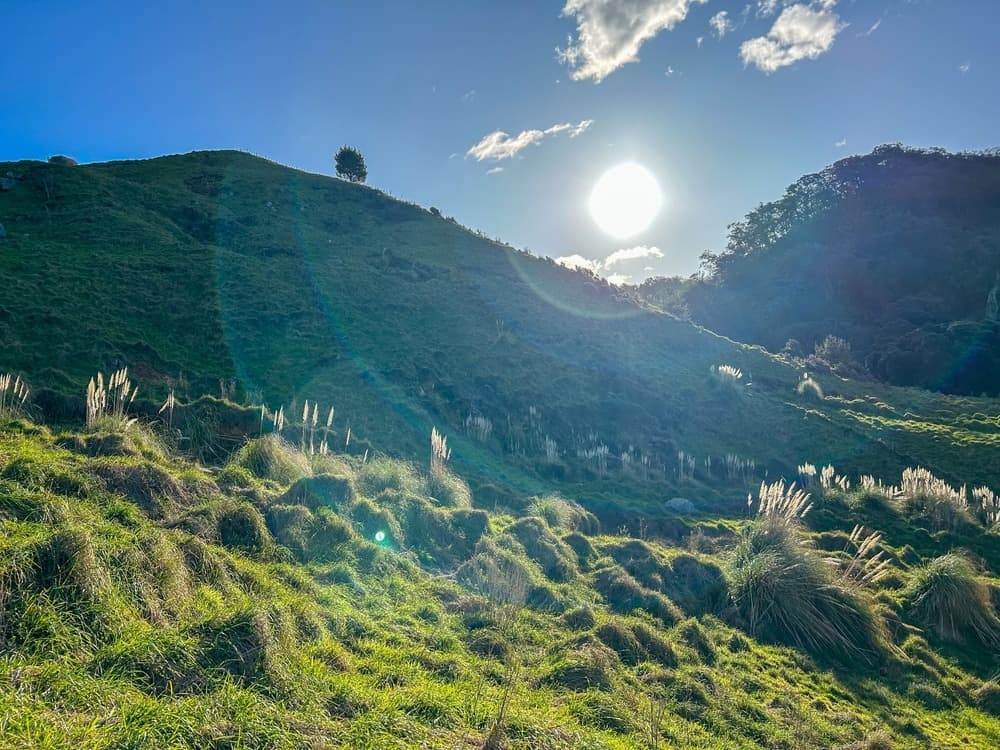
Spring symbolizes the return of fine weather. Temperatures gradually rise, meadows turn green, hiking trails reopen and baby lambs appear in pastures. Although weather remains changeable, this season offers a good balance between pleasant climate and low tourist site attendance.
Several major events punctuate spring. In Wellington, the highly anticipated World of WearableArt (WOW) Awards Shows blends fashion, performance and spectacle in a unique visual universe. In October, Auckland illuminates for the Diwali Festival, a Hindu celebration of light, bringing together Indian music, dance and flavors. In November, the Oamaru Victorian Heritage Celebrations plunge the small Southland town back into the Victorian era with costumes, street performances and historical reenactments.
Tourist Influx
New Zealand is a destination to discover year-round, but tourist flows change with seasons. The highest concentration of visitors occurs between late December and late January, when local school holidays coincide with those of many foreign countries. This period, encompassing Christmas and New Year, attracts significant crowds. Hotels and flights are highly sought after, and advance booking is strongly recommended to avoid complications.
What Is the Best Time to Visit New Zealand?
Contrary to common misconceptions, New Zealand is not a cold country. With high sunshine rates, sometimes exceeding those of certain Mediterranean regions, and generally clement weather, most outdoor activities can be enjoyed year-round. Rain is frequent but often brief, allowing full enjoyment of landscapes, whether beaches, volcanoes, fjords or snow-capped mountains.
FAQ
When should you travel to New Zealand to save money?
To save money in New Zealand, plan for low season, between June and August or the intermediate months of April-May and September-November, when prices are advantageous and visitor numbers reduced.
What budget should you plan for a New Zealand trip?
For a New Zealand trip, budget on average between €2,500 and €4,000 per person for two to three weeks, including flights, accommodation, transport, meals and activities.