How to Get Around in New Zealand
Between dramatic fjords, deserted beaches, active volcanoes and alpine mountains, New Zealand is a land of exploration where journeys become just as memorable as the destinations themselves. To traverse its two main islands, you have a wide range of transportation options suited to every traveler's style. Whether you're traveling solo, as a couple, with family or friends to New Zealand, here's everything you need to know to organize your travels.
Between dramatic fjords, deserted beaches, active volcanoes and alpine mountains, New Zealand is a land of exploration where journeys become just as memorable as the destinations themselves. To traverse its two main islands, you have a wide range of transportation options suited to every traveler's style. Whether you're traveling solo, as a couple, with family or friends to New Zealand, here's everything you need to know to organize your travels.
Rent a car or van
Choosing a rental car or van is the preferred option for travelers wanting to explore the country at their own pace. Thanks to a well-maintained road network and clear signage, driving is relatively straightforward, provided you adapt to a few local quirks.
In New Zealand, driving is on the left side of the road. A French driving license is accepted, provided it's accompanied by an official English translation or an international driving permit. You must be at least 21 years old to rent a car.
Some rural or mountain roads may be unsealed. If you plan to venture onto them, make sure your rental agreement permits it. The motorway network is limited, but secondary roads offer exceptional scenery. It's common to rent a vehicle in one city (Auckland, Wellington, Christchurch...) and return it to another, often with a one-way fee. During school holidays, it's best to book several weeks in advance.
Travel comfortably by motorhome or campervan
New Zealand is a paradise for road trips in motorhomes and campervans. Practical, economical and sociable, this mode of transport lets you combine travel, accommodation and independence. Equipped campgrounds are plentiful and well-signposted. To camp outside dedicated campgrounds, it's essential to travel in a vehicle certified as "self-contained".
There are numerous rental agencies, from well-known brands (Maui, Britz, Apollo, Jucy) to more budget-friendly options (Wicked, Mighty, Cheapa...). Prices vary by season, vehicle size and comfort level. Note that it's possible to buy a used campervan for longer stays, then resell it.
Apps like CamperMate help you locate rest areas, showers, water points, dump stations or free campgrounds.
Use long-distance buses to explore the country
The long-distance bus network covers both New Zealand islands well and is an ideal option for travelers without a vehicle. The main operator is InterCity, with over 600 weekly services. It offers several interesting pass options:
- Flexipass: rechargeable according to desired kilometers, valid for one year.
- Travelpass: 15 fixed routes including the ferry between the two islands.
Secondary routes are operated by Skip Bus (North Island only), as well as backpacker-focused companies like Kiwi Experience and Stray. They also offer organized tourist stops at the country's major attractions. Some smaller towns are also served by regional companies, sometimes in partnership with a tour operator or private shuttle (such as Tracknet to Abel Tasman National Park or hiking trail starting points).
It's highly recommended to book your next bus in advance, especially during school holidays, to secure your seat in tourist hotspots.
Enjoy the train for a scenic journey
Although the railway network is limited, the tourist lines operated by KiwiRail/Great Journeys of New Zealand offer spectacular routes, perfect for scenery lovers.
The three main routes are:
- Northern Explorer: between Auckland and Wellington (12 hours through Tongariro National Park).
- Coastal Pacific: between Picton and Christchurch (6 hours 15 minutes along the Pacific coast, with seal spotting included).
- TranzAlpine: between Christchurch and Greymouth (5 hours through the Southern Alps, via Arthur's Pass).
These trains feature panoramic cars, open-air spaces, audio commentary and sometimes GPS screens. No sleeper cars, but high-end service. In winter, the Scenic Rail Pass offers savings, especially for journeys combined with the ferry.
Furthermore, among other private lines, you'll find:
- Taieri Gorge Railway and The Seasider, departing from Dunedin, offer scenic journeys through gorges, vineyards and coastline.
- Capital Connection runs a commuter service between Palmerston North and Wellington.
Fly to save time
If you're short on time, domestic flights are a quick option for crossing the country. With over 20 domestic destinations served, Air New Zealand remains the reference airline, often complemented by its subsidiary Air New Zealand Link.
Other regional carriers connect secondary cities and remote islands, namely:
- Jetstar: low-cost carrier covering major tourist cities.
- Sounds Air, Barrier Air, Golden Bay Air, Air Chathams, FlyMySky, Stewart Island Flights: regional operators to Stewart Island, the Chathams, Great Barrier Island or Golden Bay.
Flights are often used at the end of a road trip to return to Auckland or Christchurch. They also enable scenic flights over iconic areas like Mt Cook, glaciers or Lord of the Rings filming locations.
Cross between the two islands by ferry
To travel from the North Island to the South Island, the crossing runs between Wellington and Picton in approximately 3 hours 30 minutes via Cook Strait. The passage through Marlborough Sounds, just before arriving at Picton, is one of travelers' most prized visual experiences. Two companies operate these routes: Interislander and Bluebridge. These ferries welcome pedestrians, cyclists, cars and campervans. It's advisable to book several weeks in advance, especially if you're traveling with a vehicle. Some rental companies (like Apex) allow you to cross with their car; others prefer you to leave one at the port and pick up another on the other side.
Explore New Zealand's landscapes by bike
Cycling enthusiasts will find New Zealand an ideal playground. The country boasts lightly-trafficked roads, a generally temperate climate and numerous campgrounds where you can stop.
Helmet use is mandatory, and reflective equipment is recommended. Bikes can be easily rented in small and large cities for around 60 NZD per day. Specialized shops offer purchases, maintenance and long-term rentals. It's also possible to bring your own bike on a domestic flight, depending on airline conditions.
Moreover, the New Zealand Cycle Trail / Nga Haerenga comprises 22 routes designated "Great Rides", several of which cross the South Island and follow the West Coast, lakes, gorges and forests.
Public transport in major cities
In metropolises like Auckland, Wellington or Christchurch, public transport is efficient and well-organized:
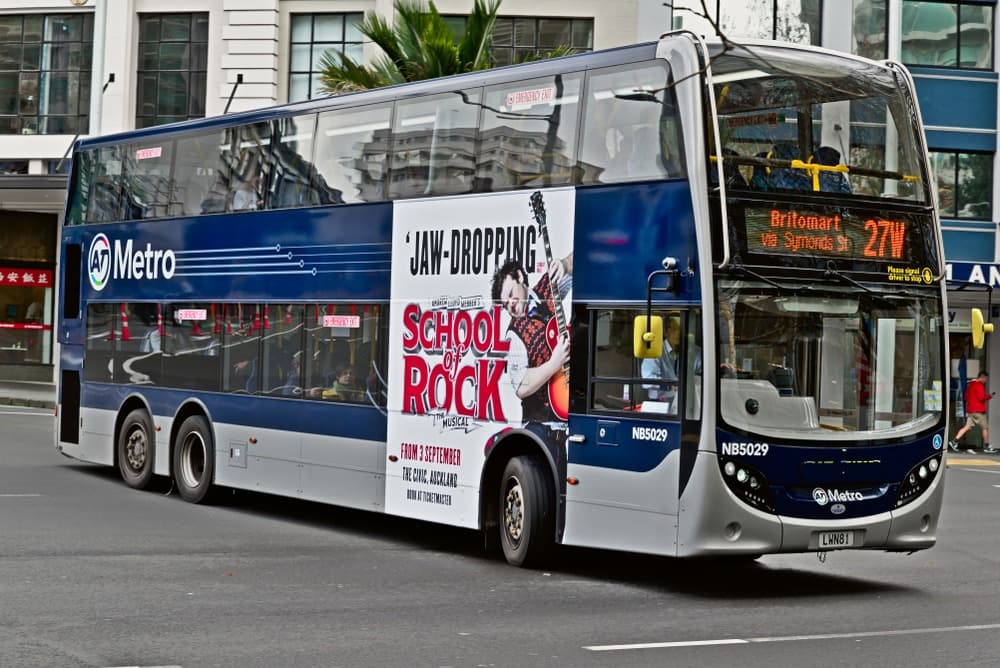
- City buses: practical and regular on weekdays.
- Rechargeable transport cards: AT HOP, Snapper.
- Heritage tram: available in Christchurch's city center.
- Suburban trains: 4 lines in Auckland, 5 in Wellington.
- City Circuit: free shuttle in Auckland's city center.
Uber, taxis and other alternative services round out the offer. On weekends, frequency decreases except for certain late-night routes.
Hitchhike or carpool safely
Hitchhiking is well-tolerated in New Zealand, particularly in rural areas. New Zealand drivers are generally friendly. It can be more difficult outside major routes, however.
Internet-based carpooling is an economical and sociable alternative, especially for reaching less-served areas. It remains a good complementary transport option outside of standard tourist circuits.
Navigate by boat to islands and coasts
Beyond the inter-island ferry, other maritime connections let you explore New Zealand's coastal environment:
- From Auckland, you can reach Hauraki Gulf islands such as Waiheke or Rangitoto.
- A crossing connects Bluff to Stewart Island via Foveaux Strait.
- Cruises trace the coastline with companies like P&O Cruises.
These maritime experiences aren't essential for getting around, but they're among the highlights for travelers seeking wild and marine scenery.