Wanaka
Wanaka
At the foot of Mount Aspiring National Park, Wanaka offers a glacial lake, alpine hiking, and ski resorts in a quieter atmosphere than Queenstown.
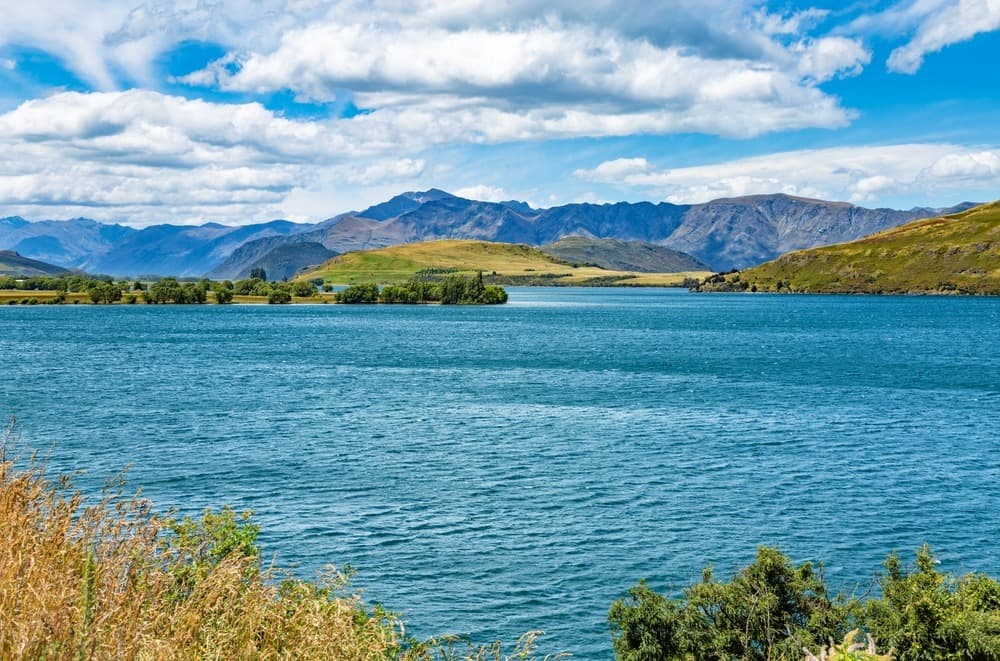
Nestled on the South Island of Nouvelle-Zélande, Wānaka is a charming town perched on the shores of a glacial lake, surrounded by snow-capped peaks. Less touristy than its neighbour Queenstown, it offers a perfect blend of tranquility, pristine nature, and outdoor activities. Whether you're a keen hiker, winter sports enthusiast, amateur photographer, or simply seeking peace and quiet, Wānaka has something to captivate you.
Where is Wanaka in Nouvelle-Zélande?
Wānaka is a town in the Otago region on the South Island of Nouvelle-Zélande, situated approximately 1 hour north of Queenstown, 3 hours from the glaciers of the west coast, and just over 5 hours from Christchurch. It spreads across the southern tip of Lake Wanaka, along its south-eastern shores, where the Clutha River originates. Surrounded by the majestic Southern Alps mountain range, Wanaka benefits from a spectacular and peaceful location. The town is also recognized as an ideal gateway to Mount Aspiring, celebrated for its alpine landscapes, glaciers, and iconic hiking routes.
Etymology
The name Wanaka derives from the Māori word "wānanga," meaning "sacred knowledge" or "place of learning." Although another etymology, Ō-Anake or Ō-Anaka, has been proposed, it is considered erroneous by official Māori sources. Before European arrival, the site hosted indigenous villages such as Para Karehu (Kati Mamoe) and Take Karara (Kai Tahu), near Rubu Island.
Named Wanaka in 1863 during its survey, the town was briefly renamed Pembroke before reverting to its original name in 1940 to avoid confusion with the lake. The current spelling Wānaka was officially adopted for the lake in 2019, then for the town in 2021.
History
Long before European settlers arrived, the Wanaka territory was already a strategic location for Māori peoples. The Kāti Māmoe had established a village named Para Karehu here, before the region was conquered by the Ngāi Tahu in the early 18th century. Each summer season, they came to fish, hunt, and seek pounamu (New Zealand jade) in the mountains overlooking the Haast River. Their main settlement, Take Karara, included a fortified pā and a gathering site where they cultivated Māori turnips, potatoes, and other local resources. Yet their presence was brutally disrupted in 1836 during a warrior expedition led by Te Pūoho, chief of the Ngāti Tama tribe, which devastated camps between Lakes Wanaka and Hawea.
The first European to venture into the region was Nathanael Chalmers in 1853, guided by two Māori chiefs. He navigated the Clutha River aboard a traditional reed vessel, the mokiti, in what could be considered one of the country's earliest forms of adventure tourism.
The first European settlers arrived in the 1850s, primarily for sheep farming. Albert Town became the first colonial settlement, as it was the only place where the Clutha River could be crossed. In 1862, the discovery of gold in the Cardrona valley sparked a gold rush, putting Wanaka (then known as Pembroke) in the spotlight. The local economy developed rapidly with the emergence of shops, accommodation, and forestry operations in the Matukituki valley.
However, with the decline of the gold rush in the late 19th century, the town lost its vitality. The population gradually dwindled, and it wasn't until the 1970s that Wanaka experienced a renaissance. Thanks to the rise of tourism, notably with the opening of Cardrona ski resort in the 1980s, the town began its transformation into a sought-after outdoor destination.
What can you do in Wanaka?
Nestled between lake and mountains, Wanaka seduces with its peaceful atmosphere, direct access to wild nature, and countless outdoor activities. Quieter than Queenstown yet equally spectacular, the town serves as the perfect base for exploring the Wanaka surroundings, the Southern Alps, and Mount Aspiring National Park.
Exploring Lake Wanaka and its surroundings
Relaxing by the lake
Lake Wanaka, hypnotically beautiful, is the beating heart of the town. In summer, its waters invite swimming, kayaking, paddleboarding, or a simple lakeside picnic. The beaches of Bremmer Bay, Beacon Point, or the Wanaka Lakefront promenade offer serene settings to admire the landscapes.
Admiring the Wanaka Tree
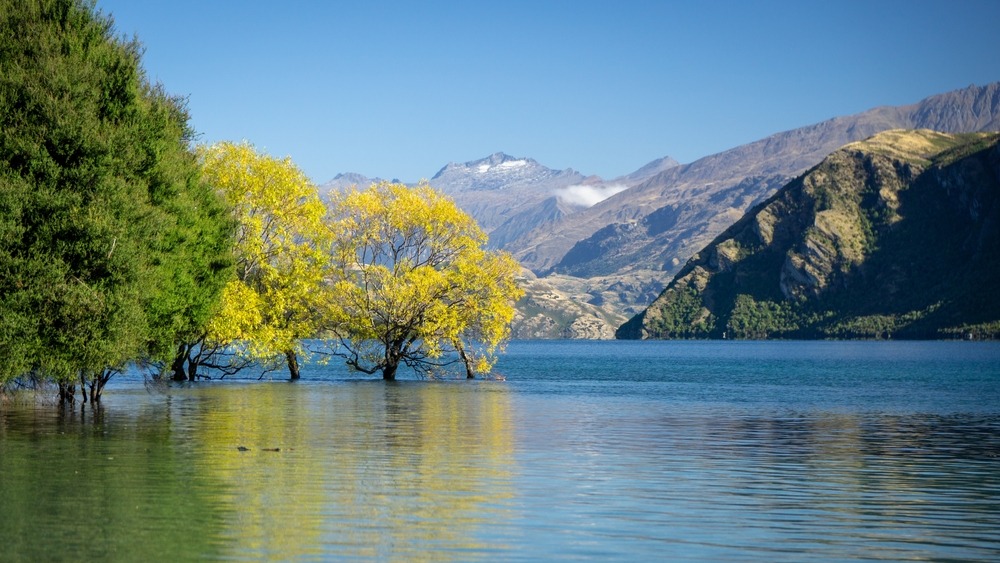
Impossible to miss the famous Wanaka Tree, a solitary willow submerged in the lake. A true photographic icon, it symbolizes the serene elegance of the place. Please treat this spot with respect during your visit, as the tree has been vandalized in the past.
Embarking on cruises or paddling to the islands
Excursions allow you to reach the islands of Mou Waho or Stevenson's Island, unique natural sanctuaries. You can also rent a kayak to paddle to Ruby Island, less than 30 minutes' row from the shore.
Hiking between lake and peaks
Must-do day hikes
- Roys Peak: One of the country's most iconic hikes. It's a challenging ascent (16 km, 1,300 metres elevation gain), but rewards you with breathtaking views of the lake and mountains.
- Diamond Lake & Rocky Mountain: An accessible 7 km trail (3 hours return) offering magnificent views of the lake and national park.
- Mount Iron Track: A short loop (4.5 km) perfect for a one-hour walk with beautiful panoramas over the town.
Less crowded alternatives
The Rob Roy Glacier Track, Cascade Saddle, Gillespie Pass, and Isthmus Peak allow you to enjoy the region's beauty with fewer passing tourists. Pack good hiking boots, trekking poles, water, sunscreen, and windproof layers for mountain slopes.
Activities for thrill-seekers
On land
- Quad biking & 4x4 in the Cardrona valley
- Canyoning in the Matukituki valley
- Horseback riding through alpine landscapes
In the air
- Skydiving (up to 15,000 feet)
- Scenic flights in light aircraft, helicopter, or vintage biplane
- Heli-skiing, heli-biking, or heli-hiking for the adventurous
Enjoying winter pleasures
Between June and September, Wanaka becomes an unmissable winter sports hub. Four resorts are nearby:
- Cardrona: Family-friendly, accessible, and comprehensive
- Treble Cone: More technical, ideal for experienced skiers
- Snow Farm: Cross-country skiing
- Snowpark: Freestyle.
Family activities
- Puzzling World: Mazes, optical illusions, and a leaning tower
- Cinema Paradiso: Retro cinema with couches, homemade cookies, and even a car in the theatre
- Transport and Toy Museum: Vintage cars, aircraft, and collectible toys
- Wanaka Lavender Farm: Lavender fields, animals, and artisanal ice cream
- Cardrona Bra Fence: An unusual fence of bras that has become a collection point for breast cancer awareness.
Local flavours and gastronomic experiences
- Wanaka Farmers Market to taste local produce
- Lakeside restaurants and cafés, perfect for sunset aperitifs
- Renowned vineyards for Pinot Noir and Pinot Gris, open for tastings and cellar door visits
- Wanaka Beerworks: Local microbrewery with tours and tastings.
Events not to miss
- Warbirds Over Wanaka: Spectacular airshow
- Rhythm & Alps: Open-air music festival
- Challenge Wanaka: Long-distance triathlon among the world's most scenic
- Festival of Colour: Major artistic gathering in the region.
When to visit?
Wanaka reveals itself beautifully year-round, with each season offering a new face of this charming town:
- Summer (January to March) is arguably the most popular period, ideal for outdoor enthusiasts. Hiking, water activities, mountain biking, or simply relaxing by the lake.
- Autumn (April to May) brings particular charm to the region. The hills and valleys don a flamboyant palette of colours, creating a unique backdrop for walks.
- Winter (July to September) attracts winter sports enthusiasts.
Despite its relative remoteness, Wanaka is easily accessible by plane, bus, or car.
By plane
Queenstown Airport (70 kilometres from Wanaka town) is the most convenient, with regular flights from Auckland, Christchurch, Sydney, Brisbane, and Melbourne. Daily shuttles and buses connect Queenstown to Wanaka. Wanaka Regional Airport (WKA) is reserved for scenic flights and charters.
By bus
Companies such as Ritchies operate several daily services from Queenstown, Christchurch, Dunedin, Invercargill, Greymouth, Franz Josef, and Fox Glacier. Buses arrive in the town centre, opposite the visitor information centre.
By car
Wanaka is easily accessible by car. Journey times are:
- 1 hour 10 minutes from Queenstown via Crown Range Road
- 5 hours 15 minutes from Christchurch via Tekapo
- 3 hours 30 minutes from Dunedin.
It's an excellent option for a South Island road trip.
FAQ
Where is Lake Wanaka located?
Lake Wanaka is located in the Otago region on the South Island of Nouvelle-Zélande, at the foot of the Southern Alps.
Where can I stay in Wanaka?
In Wanaka, you'll find a wide range of accommodation, from campsites and hostels to charming lodges and hotels with views over Lake Wanaka or snow-capped peaks.
What is the tree in the water at Wanaka?
The tree in Lake Wanaka's water is a solitary willow, known as the Wanaka Tree, which has become an iconic photographic landmark of the region.
Want to discover this destination?
Our local advisors design your tailor-made trip.