Complete New Zealand Guide
From our agency in Wellington, we follow travellers across the two islands of a country stretching 1,600 km from north to south. the North Island concentrates the geothermal activity of Rotorua, the volcanic landscapes of Tongariro and the living Māori culture of the marae in the Bay of Plenty. The South Island, more mineral-rich, unfolds the New Zealand Alps over 500 km, from Lake Tekapo to the fjords of Milford Sound, with Queenstown as a base for hiking and skiing.
The country boasts 14 national parks and a network of marked Great Walks, including the Routeburn and the Milford Track. Endemic wildlife runs through it all: nocturnal kiwis in the sanctuaries of Stewart Island, fur seals on the Otago Peninsula, Hector's dolphins in Akaroa. On the cultural side, te reo māori is the official language and welcoming protocols (pōwhiri) still structure social life in the Rotorua and Northland regions.
For a first trip, allow a minimum of three weeks to combine both islands without rushing. Two weeks are enough if you choose one island, which we often recommend to those who want to take time to walk, drive the back roads and spend a night with locals in the Catlins or Coromandel.
The regions of New Zealand
Each region has its own personality: climate, landscapes, pace of life and ways of traveling. Our local team helps you choose the combination that suits you.
Northland
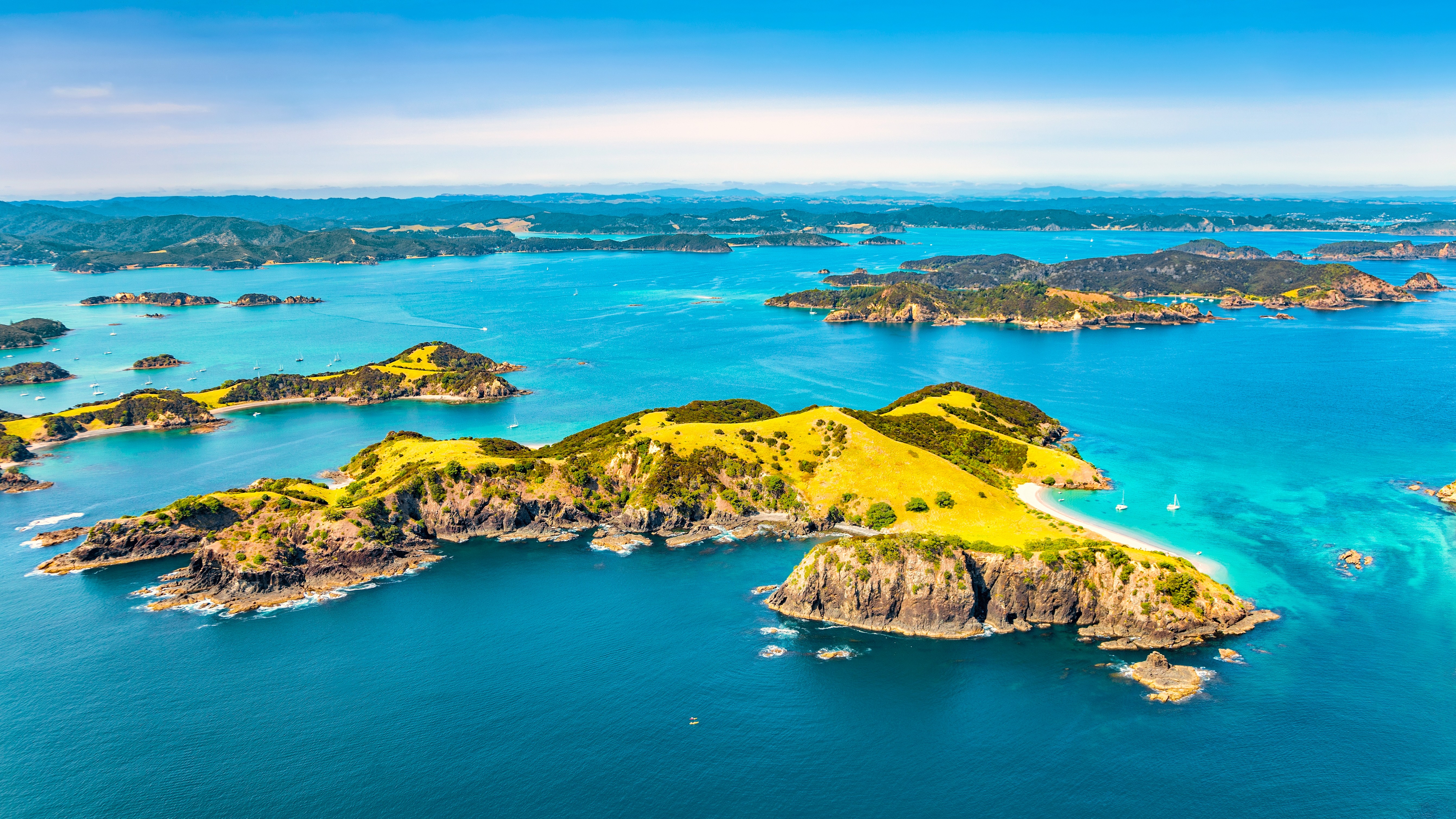
North of Auckland, the Northland peninsula stretches to Cape Reinga, where the Pacific and Tasman Oceans meet. We take travelers to Paihia and Russell in the Bay of Islands to navigate among 144 islets and observe dolphins. Waipoua Forest is home to Tāne Mahuta, a 2,000-year-old kauri that an English-speaking Maori guide comments on during a night walk. Subtropical climate, mild temperatures year-round (15 to 25 °C), ideal between November and April. It is also the historical birthplace of the Treaty of Waitangi, signed in 1840, which can be visited in half a day from Paihia.
Volcanic plateau
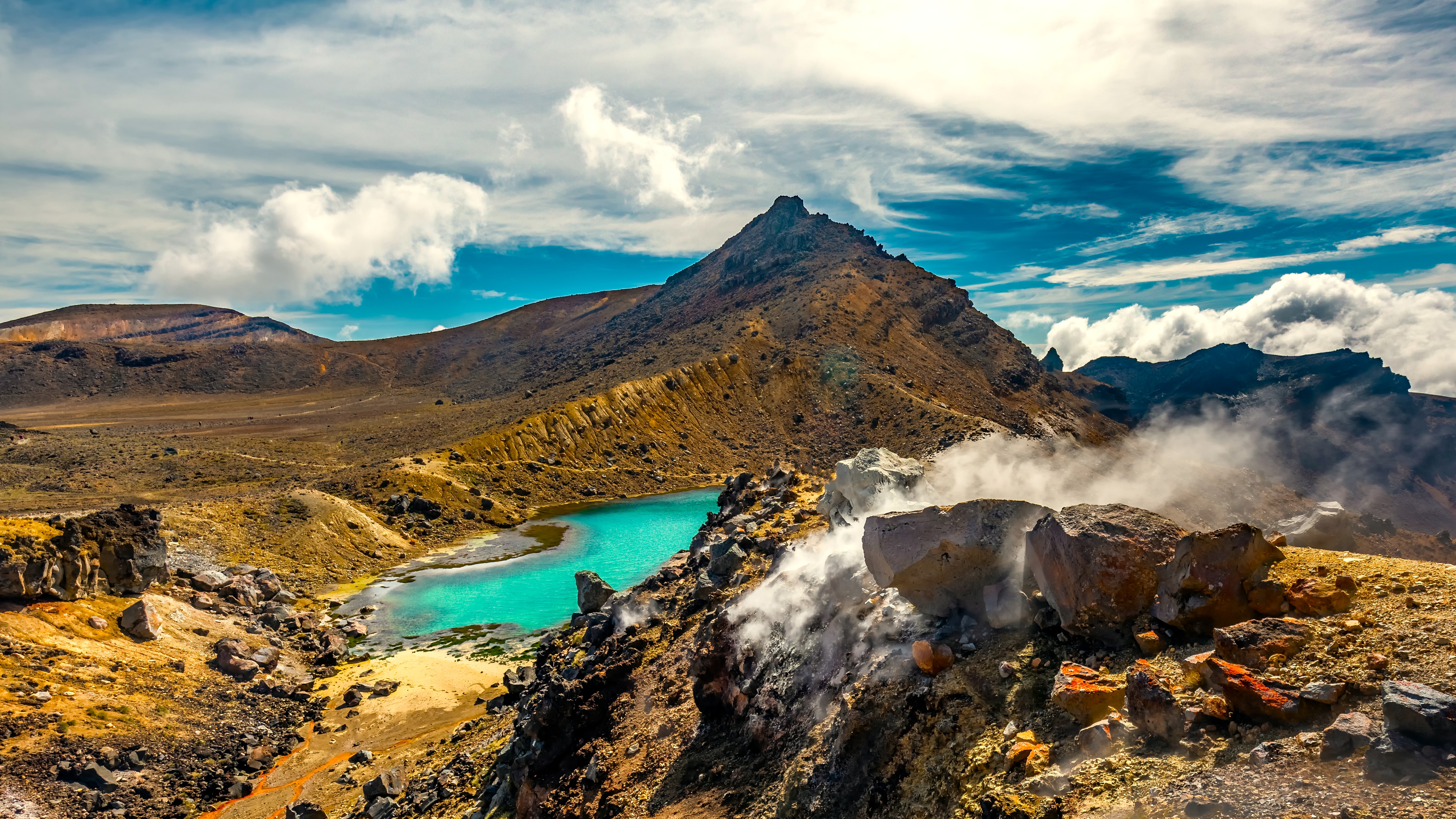
In the heart of the North Island, the volcanic plateau brings together Rotorua, Taupo and Tongariro National Park. In Rotorua, the geysers of Te Puia and the hot springs of Wai-O-Tapu are a reminder that the Earth's crust is thin, with the smell of sulphur floating over the city. The Tongariro Alpine Crossing, a 19.4 km trek across craters and emerald lakes, takes 7 to 8 hours and requires good hiking boots. Lake Taupo, a former crater spanning 616 km², is ideal for trout fishing and jumping from Huka Falls. Hiking season: November to April, with cool temperatures at altitude even in summer.
Wellington and Wairarapa
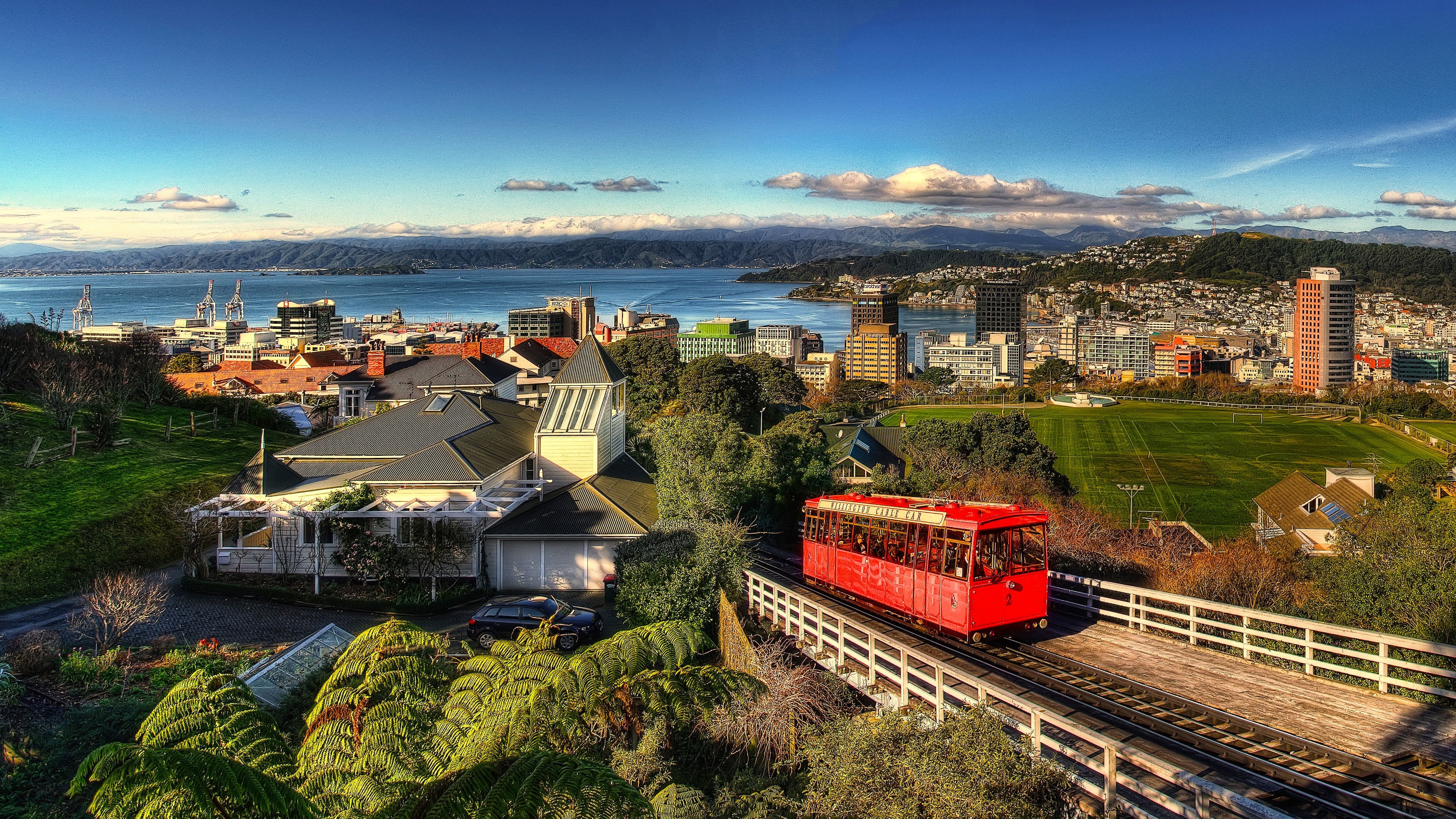
Capital nestled between hills and harbour, Wellington concentrates institutions, the Te Papa museum and a recognised café-cinema scene. Our team is based there, and we often propose a day in the Cuba Street neighbourhood before crossing the Cook Strait. An hour to the east, Wairarapa unfolds its pinot noir vineyards around Martinborough and the seals of Cape Palliser. Wind there is constant, expect 4 seasons in a day. The ferry crossing to Picton takes 3h30 and offers first views of the Marlborough Sounds.
West Coast and Southern Alps
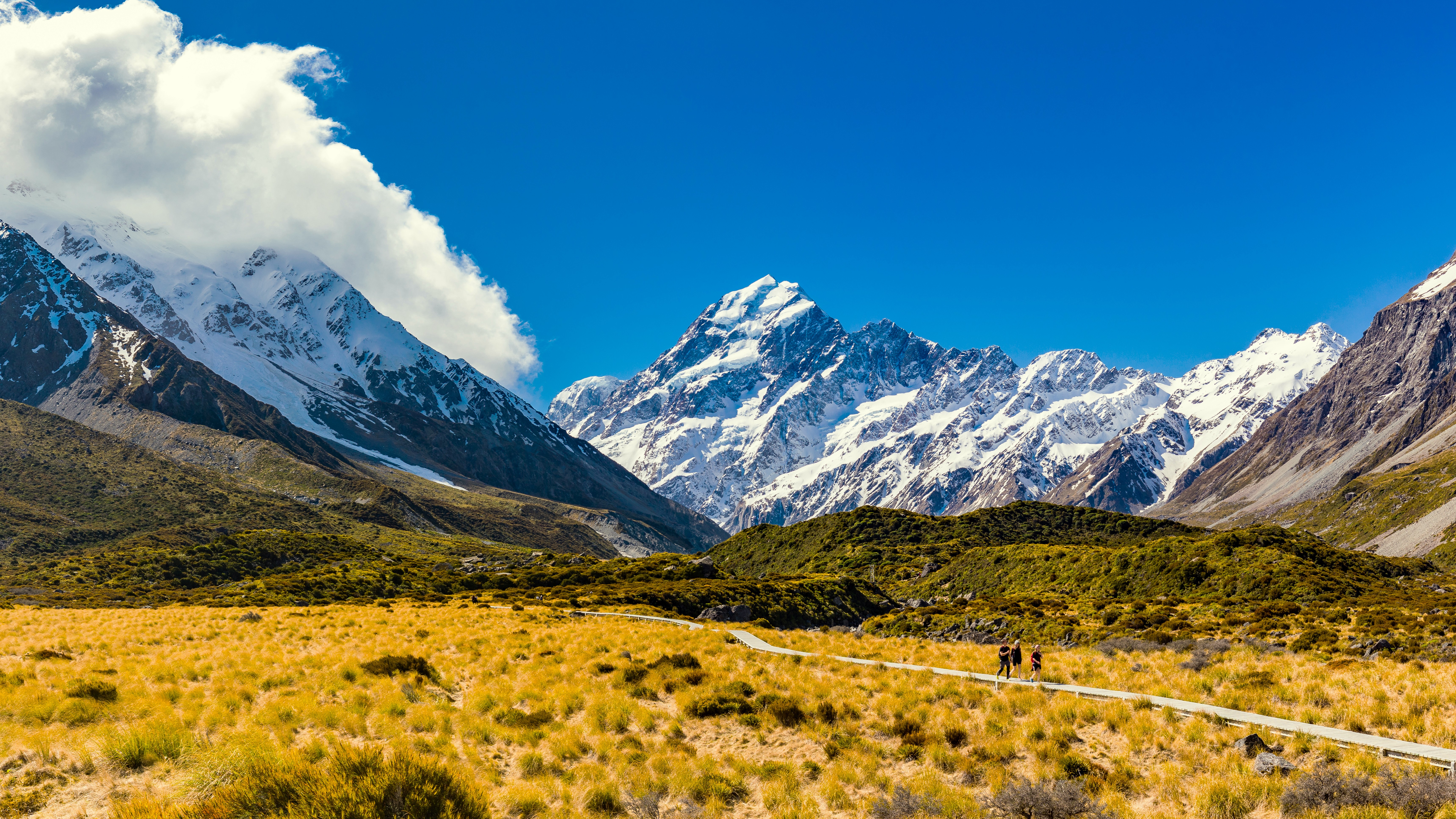
From Westport to Haast, the West Coast of the South Island stretches 600 km of black sand beaches, rainforests and glaciers that descend almost to the sea. Franz Josef and Fox are the two glaciers accessible by guided walks or heli-hiking. Inland, the Southern Alps peak at 3,724 m at Mount Cook (Aoraki), with Lake Tekapo and its sky designated as an International Dark Sky Reserve. State Highway 6 is one of the country's most scenic routes; allow a minimum of 3 days between Greymouth and Wanaka. Rainy on the west side, dry on the east side: be prepared for both.
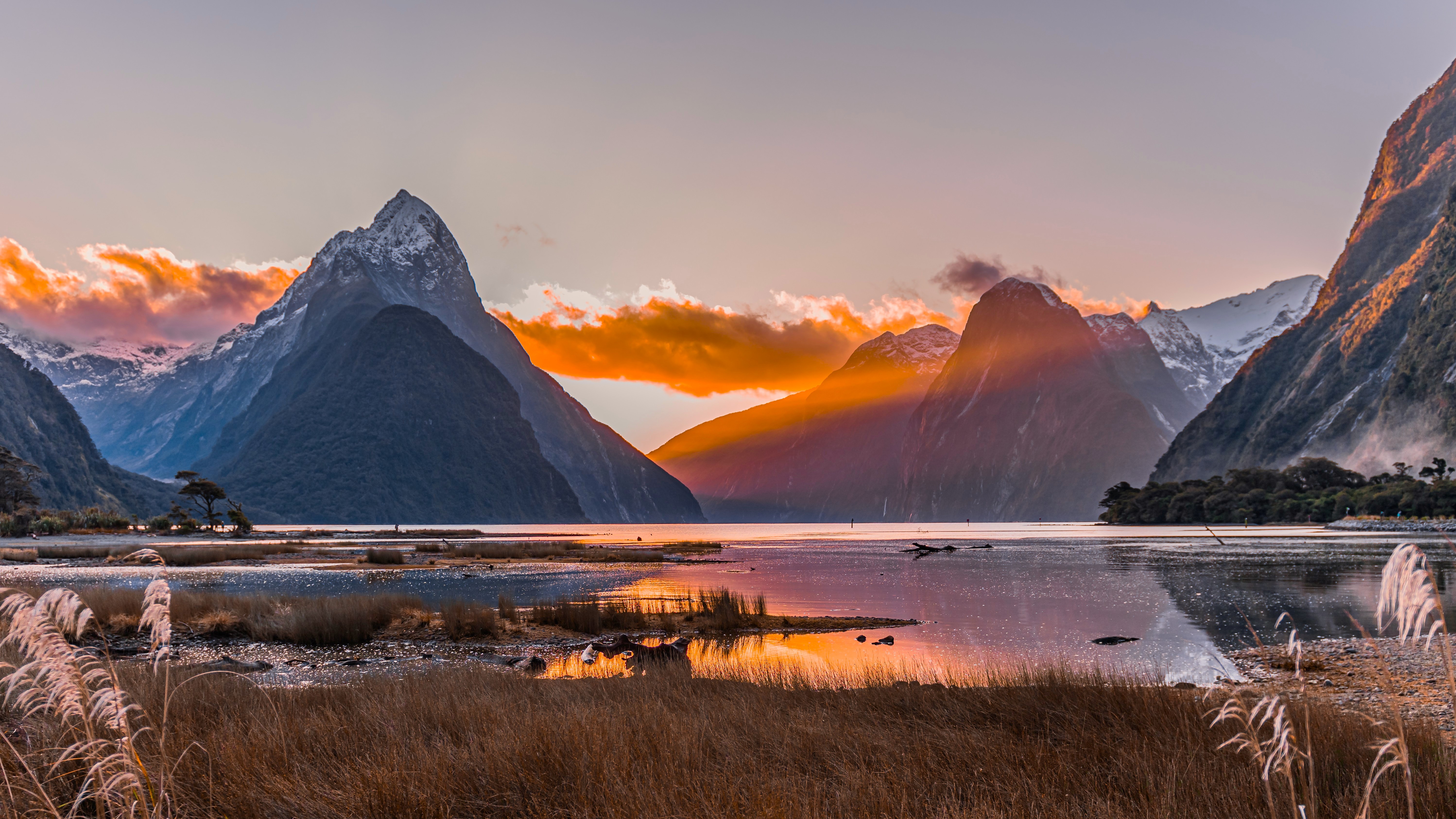
Fiordland and Southland
The south-west of the South Island is home to Fiordland National Park, 12,500 km² of fjords and uninhabited forests. Milford Sound and Doubtful Sound can be explored by day cruise or with an overnight stay on board. The Milford Track, 53.5 km over 4 days, requires booking 6 months in advance for the October to April season. Further south, the Catlins offer wild beaches where sea lions and yellow-eyed penguins sleep. Humid climate, 7 m of rain per year in Milford. Stewart Island, 1 hour by ferry from Bluff, remains the best place to see a wild kiwi.
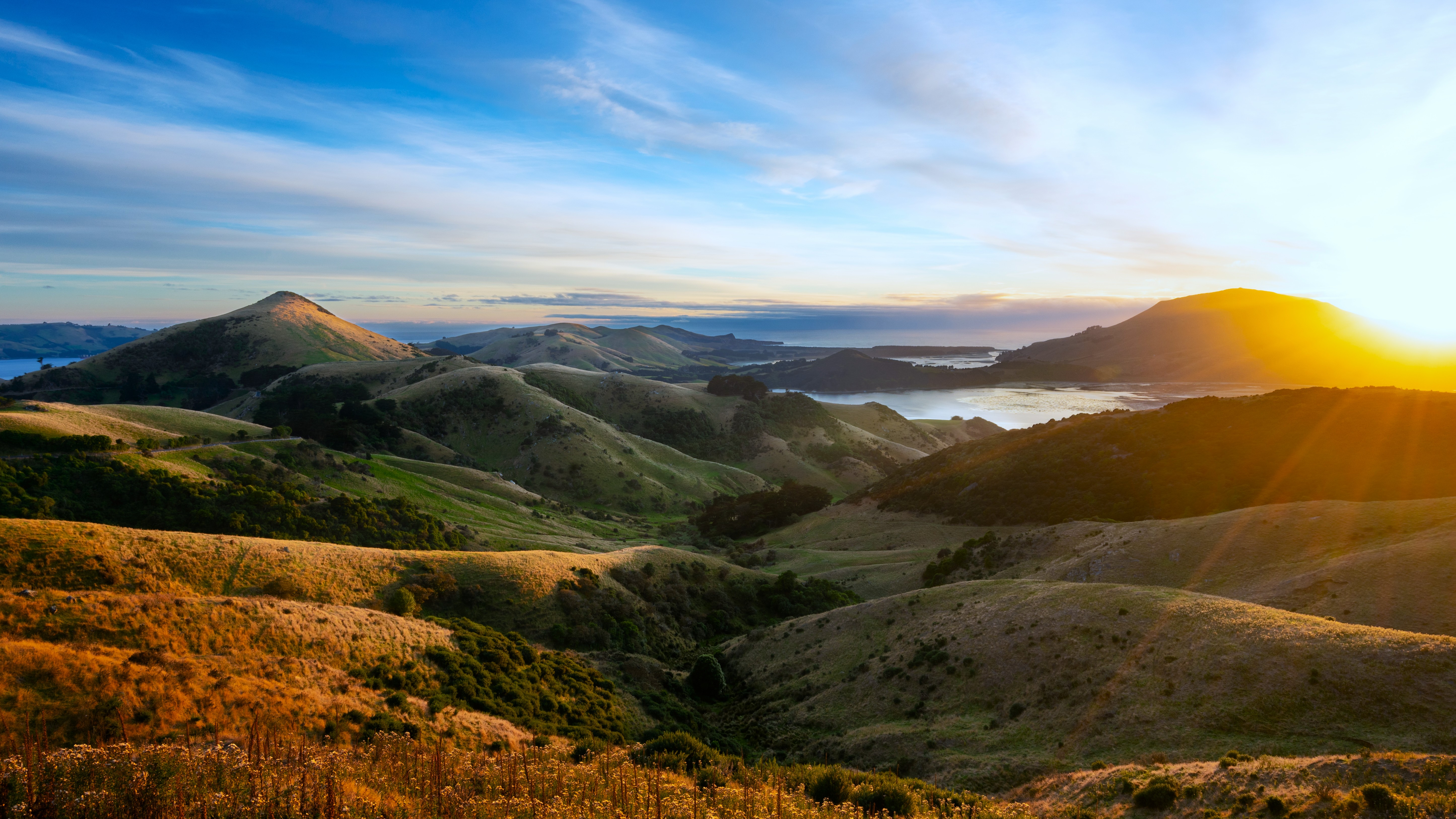
Otago and Canterbury
In the south-central part of the South Island, Christchurch rebuilt after the 2011 earthquake serves as the gateway to the Banks Peninsula and the Canterbury Plains. Further south, the Otago region combines Queenstown, the adventure sports capital on the shores of Lake Wakatipu, and Dunedin, a Scottish-inspired city on the peninsula of the same name. Little penguins in Oamaru and the Moeraki Boulders can be visited along the coastal route. Continental climate, dry summers (20 to 28 °C), cold winters with snow at altitude. Ski season from June to September around Wanaka and Cardrona.
Explore by theme
Unique experiences tailored to every traveler.
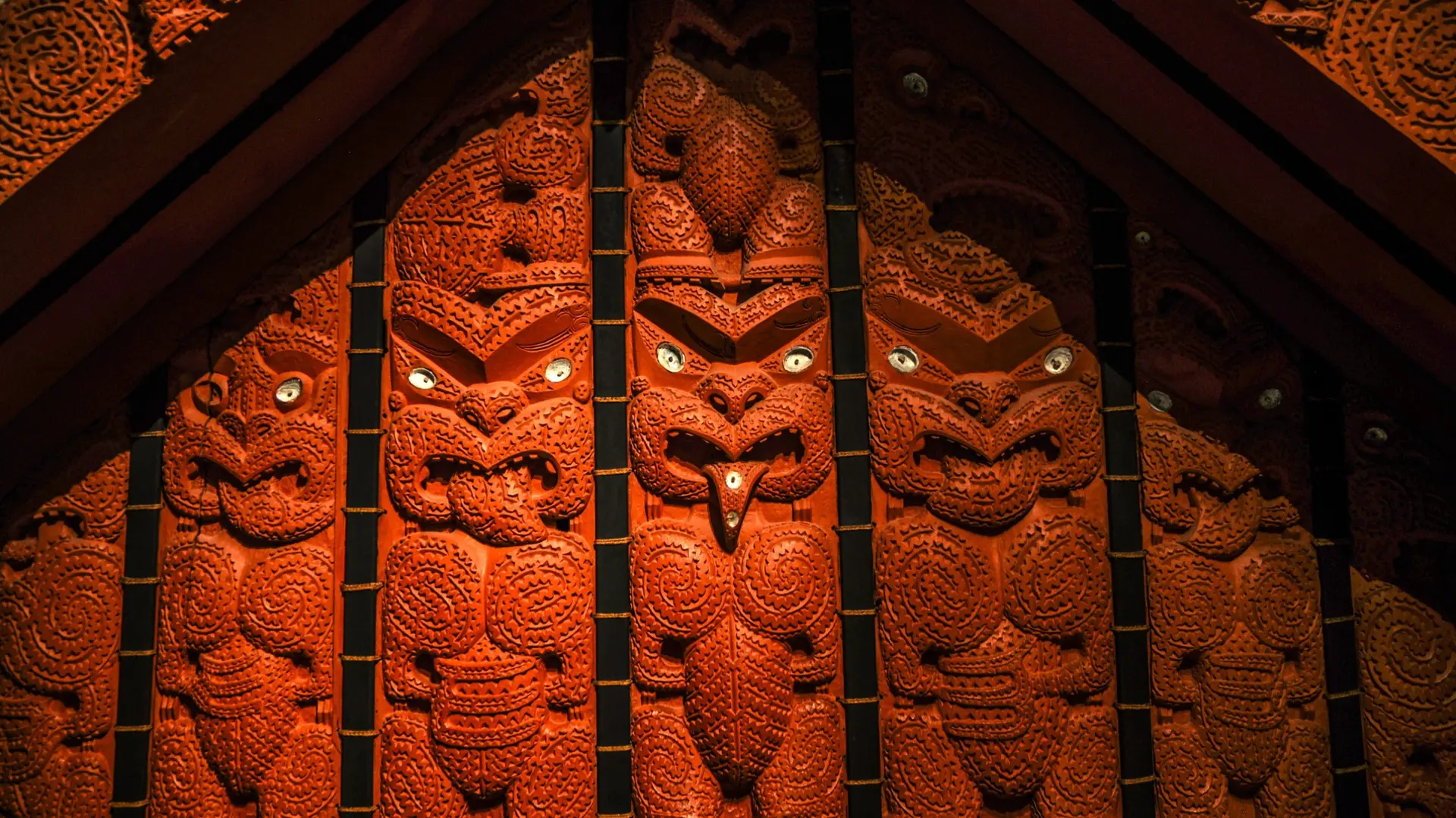
Culture & Heritage
Temples, musées, sites historiques
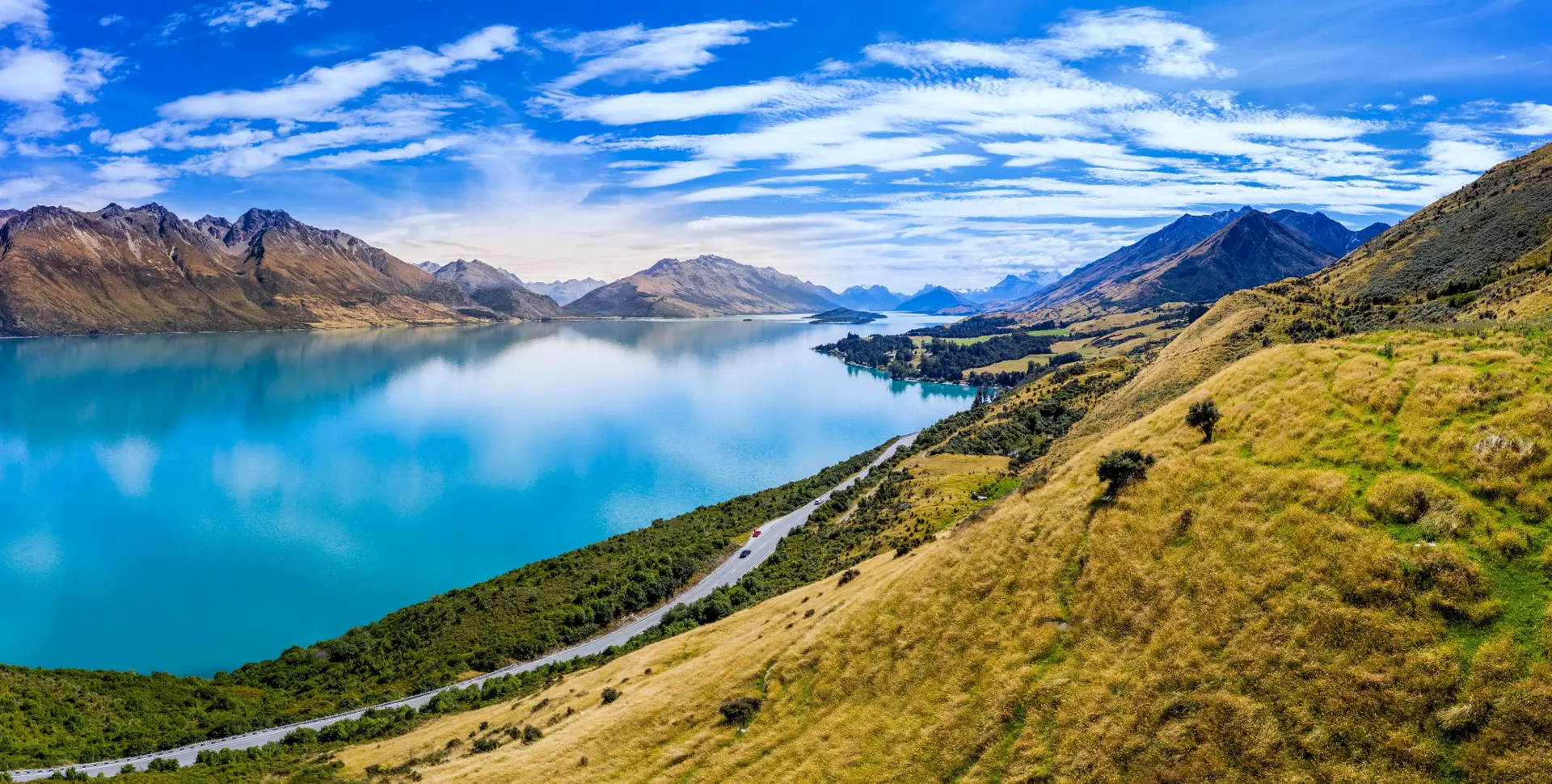
Nature & Landscapes
Parcs nationaux, montagnes, forêts
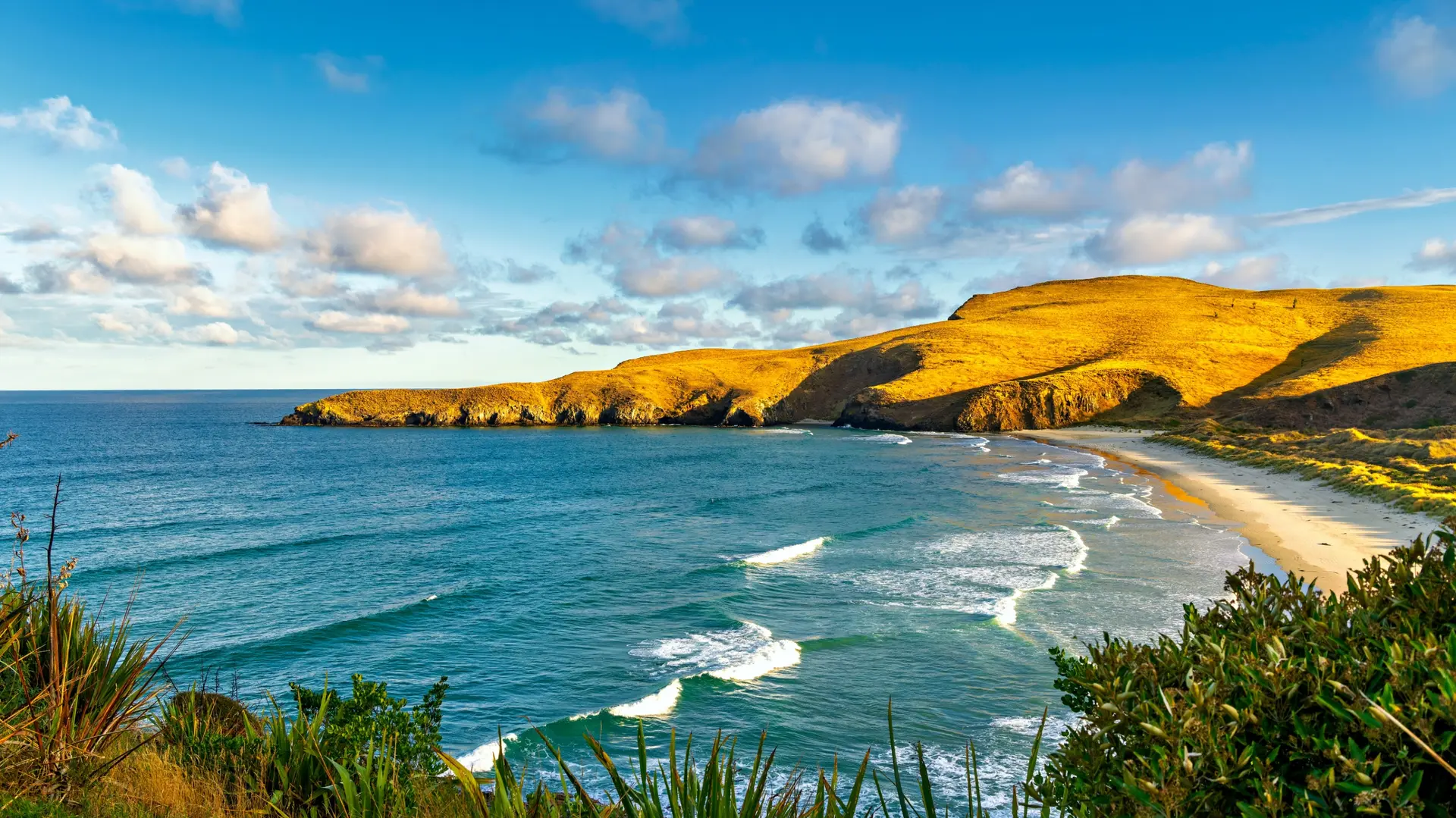
Sea & Beaches
Littoral, îles, sports nautiques
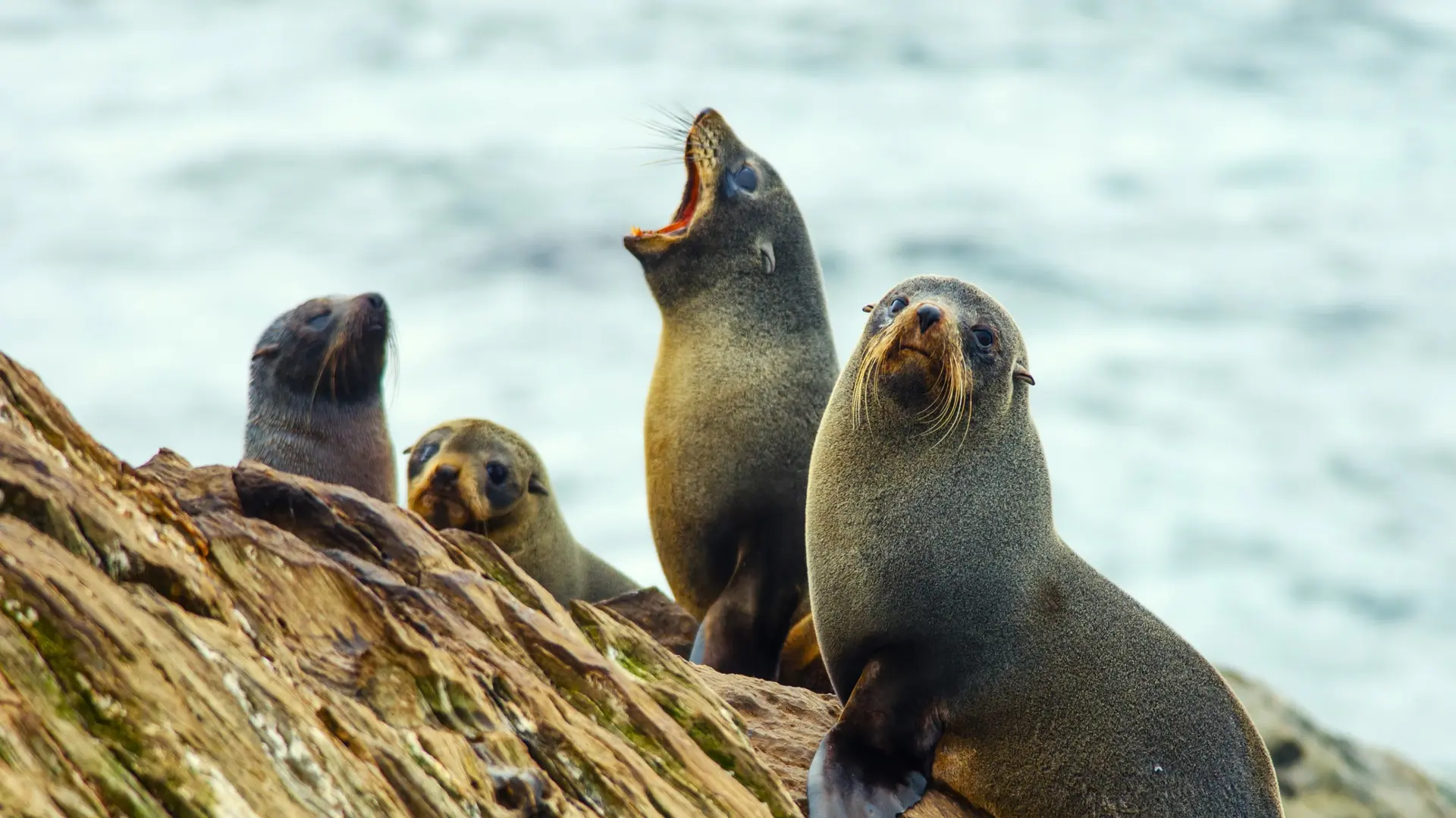
Wildlife & Biodiversity
Observation animale, sanctuaires, réserves
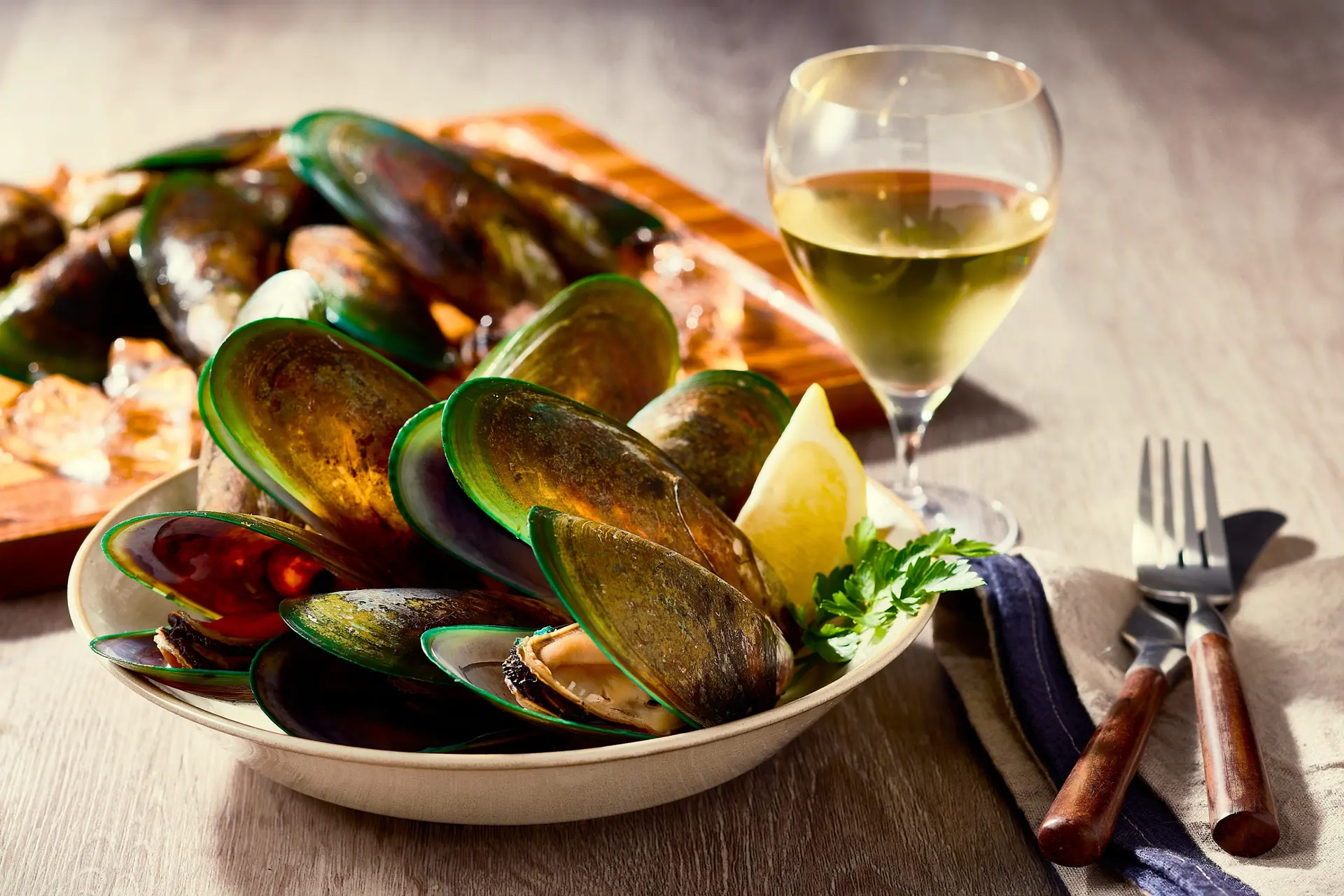
Gastronomy
Cuisine locale, marchés, cours de cuisine
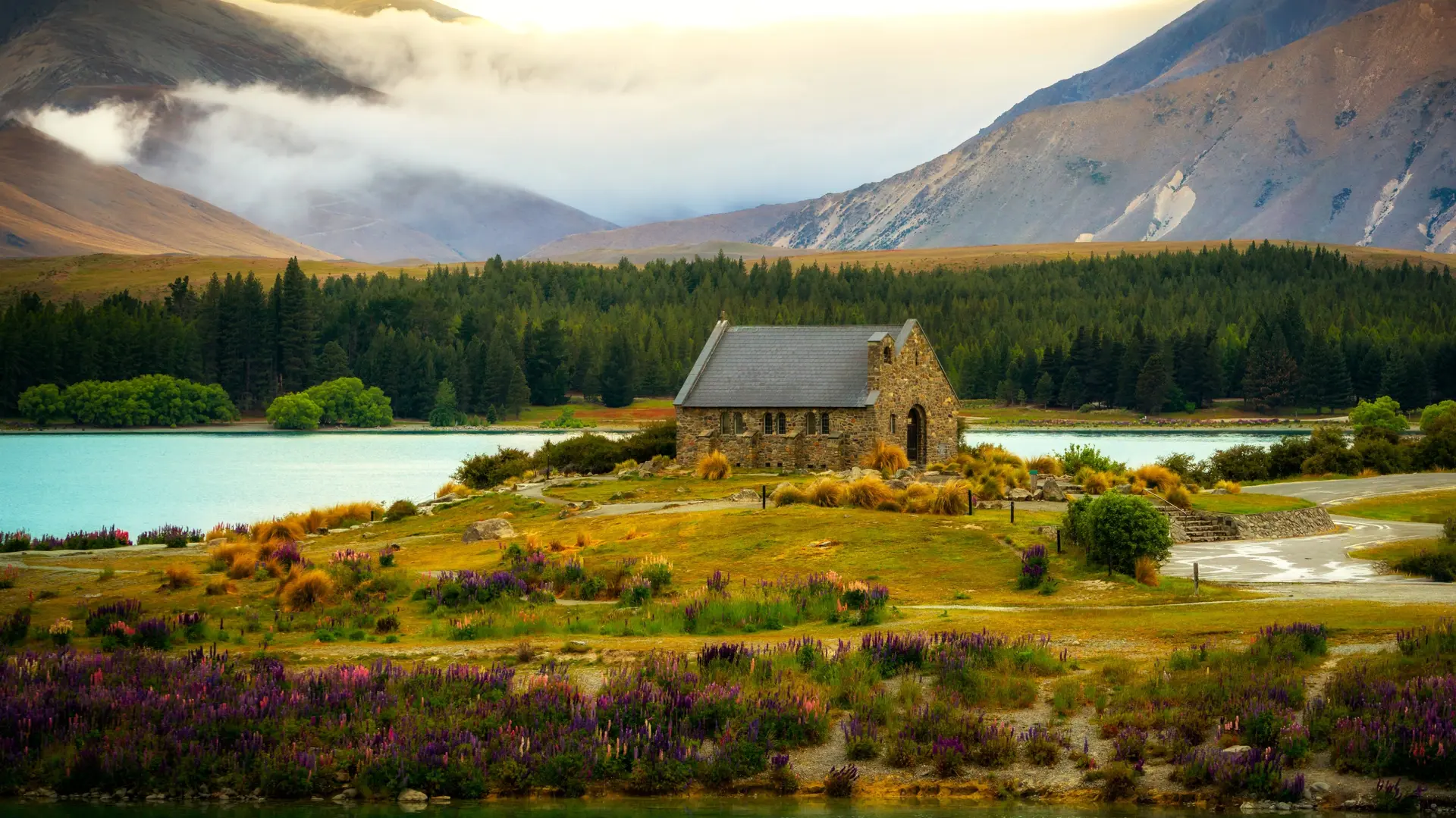
Spirituality
Temples, méditation, retraites spirituelles
We use cookies to improve your experience and measure our site's audience. You can choose what you accept. Learn more.