Safety in New Zealand
New Zealand evokes misty fjords, turquoise lakes, active volcanoes and isolated plains where the call of a kiwi can barely be heard. This wild territory appeals through its tranquility and peaceful atmosphere.
New Zealand evokes misty fjords, turquoise lakes, active volcanoes and isolated plains where the call of a kiwi can barely be heard. This wild territory appeals through its tranquility and peaceful atmosphere. Ranked among the safest countries in the world, it offers a privileged setting for both travelers and expatriates. While the sense of security is very real, a few standard precautions are necessary, particularly in the face of natural hazards, the isolation of certain locations, or the subtleties of social life.
What are the risks and dangers in New Zealand?
New Zealand is a stable democratic society whose institutions function effectively. The country enjoys a calm social climate, and its population is renowned for its hospitality. New Zealanders enjoy a pleasant quality of life, generous nature, clean air and a genuine sense of wellbeing. Crime remains low, particularly outside major cities. It is rare to encounter violent acts.
However, in certain urban neighborhoods or heavily frequented tourist spots, pickpocketing, burglaries or vehicle break-ins can occur. In a few isolated cases, gang conflicts have been reported, notably in Auckland's suburbs. It is therefore important to apply basic safety rules, just as you would at home.
Traveling in remote New Zealand regions independently
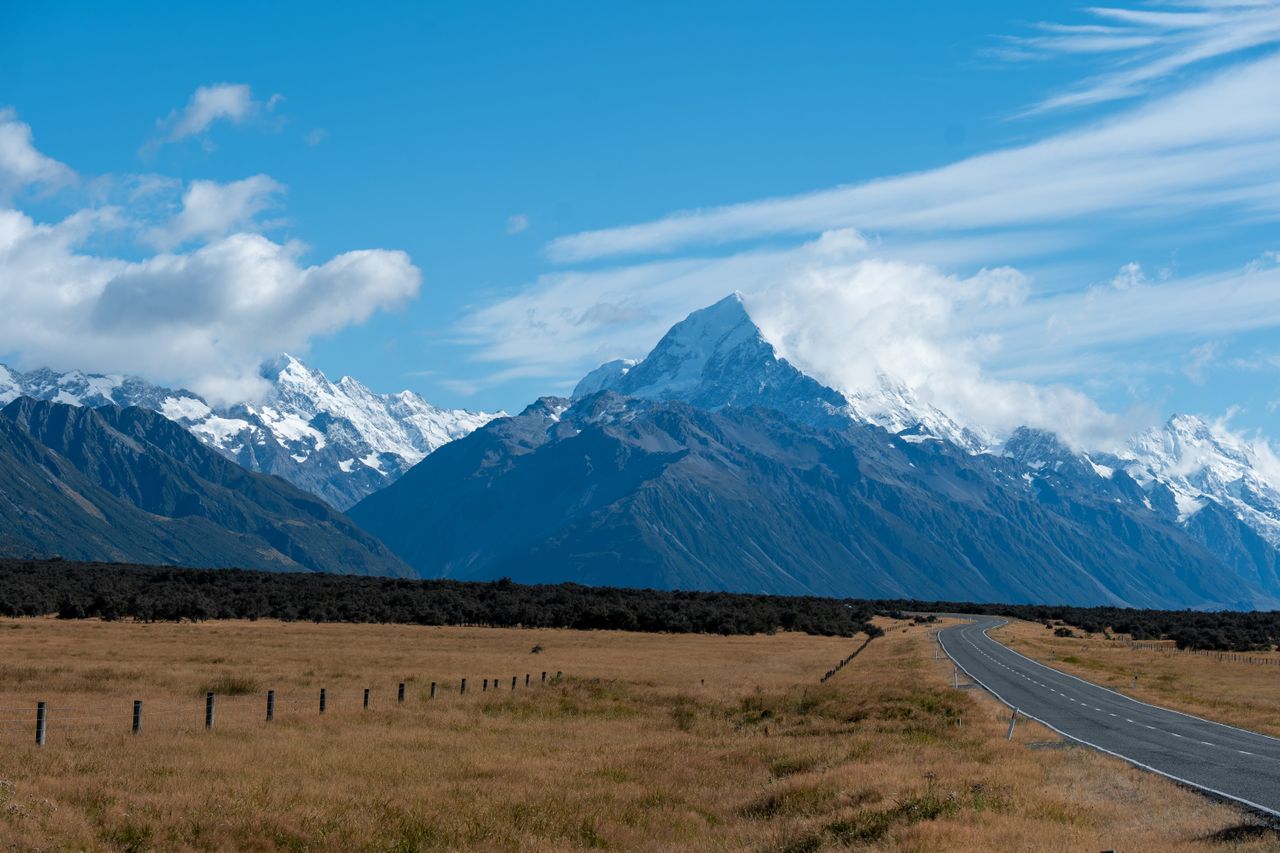
What strikes visitors about New Zealand is the vastness of its natural spaces and the profound silence that inhabits them. Traveling across the volcanic plateaus of Tongariro National Park or through the fjords of Fiordland means discovering the majestic solitude of places and rural zones sometimes uninhabited for kilometers. This sense of absolute disconnection is unforgettable, but it demands serious preparation. It is not uncommon to drive several hours without encountering a soul or catching any mobile signal. Under these conditions, a breakdown or sudden change in weather can quickly become problematic.
It is therefore essential to carefully plan your itineraries, inform someone you trust of your route and expected return time. A paper map, compass and distress beacon can prove invaluable if needed. Tourist agencies, i-SITE visitor centers and the Mountain Radio Service also offer communication methods suited to the New Zealand environment.
Tourism and outdoor activities to practice with caution
Hiking is at the heart of tourist activities in New Zealand. Famous trails such as the Milford Track, Routeburn and Tongariro Alpine Crossing seduce with their breathtaking scenery. However, changeable weather, demanding terrain and distance from any medical infrastructure require vigilance. It is advisable to set out early, bring food, high-SPF sunscreen, warm and waterproof clothing, and first aid equipment. It is strongly discouraged to stray from marked trails or to hike alone without notifying others of your route.
In Queenstown, thrill-seekers will find their paradise between bungee jumping, rafting, jet boating or paragliding. These activities are overseen by certified operators, but always carry inherent risk. It is essential to choose recognized providers and ensure that your activities are covered by specific travel insurance. In case of accident, hospitalization or rescue costs can be very high if adequate coverage has not been obtained.
Spectacular and unpredictable nature to respect
New Zealand lies on the Pacific Ring of Fire, making it a region of intense geological activity. Each year, more than 15,000 earthquakes are recorded there, most of which go unnoticed. However, major events can occur, as they did in Christchurch in 2011. In coastal regions, the risk of tsunami, though rare, is real. It is therefore imperative to know what to do: in case of intense or prolonged shaking, you must immediately head to higher ground, without waiting for an official alert. Zones with high volcanic alert levels are marked, and evacuation procedures are clear.
Beyond earthquakes, heavy rain, storms and landslides are also part of the climatic realities. Cyclones can strike the country between September and April, particularly in coastal regions. A blue sky can quickly turn into freezing rain or violent wind gusts, especially at altitude. Hikers on the Tongariro Crossing know this well. It is therefore vital to regularly consult weather service bulletins and be reactive in case of alerts.
The territory is also home to several active volcanoes. Some sites, such as White Island or Mount Ruapehu, are off-limits during periods of high alert. Signage informs visitors of volcanic alert levels. In case of eruption, you must remain inside your accommodation, close doors and windows, and protect yourself from ash. Strict adherence to authorities' recommendations is crucial.
Road safety and driving in New Zealand
Driving in New Zealand is a pleasure, but it is also a challenge. The steering wheel is on the right, and driving occurs on the left, which requires adaptation. This configuration is a source of errors, particularly at roundabouts, intersections or when overtaking. It is recommended to rent an automatic car, avoid driving at night during the first few days, and always wear your seatbelt. Helmets are mandatory for cycling and motorcycling, as are approved child car seats.
Roads, while generally in good condition, sometimes become narrow, winding or unpaved, particularly in rural areas. It is not uncommon to encounter sheep, opossums or rabbits. You must therefore adjust your speed, especially at dawn or dusk. Single-lane bridges are frequent, particularly in remote regions, and right-of-way must be given according to signage displayed. Regular breaks are strongly recommended to combat fatigue, especially after a long-haul flight. Many accidents result from exhausted drivers who underestimated their condition. Finally, for any stay exceeding three months, an international driving permit is required. Observance of traffic laws is essential, especially regarding speed limits, which are regularly monitored by radar.
Practical daily safety tips
Although New Zealand is one of the safest countries in the world, it remains important to adopt a few simple practices to guarantee your daily safety. It is advisable to avoid walking alone at night in isolated areas and to remain aware of your surroundings in bars or on public transport. Never leave your personal belongings unattended and always lock your accommodation or vehicle, even for a short time.
Hitchhiking is discouraged, as is accepting drinks from strangers. As for important documents (passport, bank cards, driving license), always keep them on you or in a secure place. It is recommended to make a paper copy of these documents, kept separately from the originals, as well as an electronic version stored on your phone or online, accessible even without internet connection.
Also avoid carrying large sums of cash, and never leave valuables visible in your vehicle. If you travel in a campervan, prioritize designated areas, particularly Department of Conservation campgrounds or certified self-contained zones. If you are unsure about a location, i-SITE centers present throughout the country can guide you.
Finally, keep as much documentation or descriptions of your valuables (camera, laptop, jewelry, etc.) as possible. In case of theft, loss or suspected break-in, quickly visit a police station to report the incident. With a minimum of vigilance, you will fully enjoy your stay while avoiding unwelcome surprises.
FAQ
What is New Zealand's ranking in terms of safety?
New Zealand is ranked the 3rd safest country in the world according to the Global Peace Index 2025.
What is the crime rate in New Zealand?
According to the Infometrics consultancy, New Zealand's overall crime rate was 225 offences per 10,000 inhabitants (or 2.25%) in the year to June 2025, down from 241 the previous year.