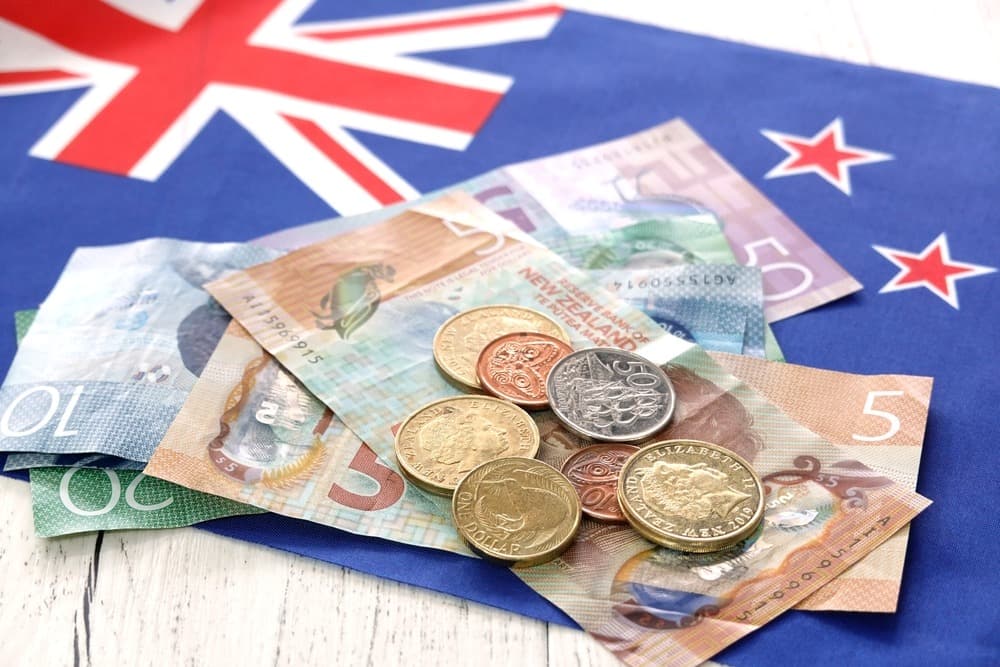
What is the Cost of Living in New Zealand?
Nestled at the far reaches of the South Pacific, New Zealand attracts thousands of travellers, working holiday visa holders, students and expats each year in search of breathtaking nature, tranquility and a warm way of life.
Nestled at the far reaches of the South Pacific, New Zealand attracts thousands of travellers, working holiday visa holders, students and expats each year in search of breathtaking nature, tranquility and a warm way of life. This island nation, composed of two main landmasses and countless smaller isles, captivates with its spectacular landscapes, exceptional biodiversity and peaceful lifestyle. But while settling or travelling here promises an unforgettable experience, it's essential to measure the financial commitment carefully. Before taking the leap, it's wise to anticipate your budget and understand the economic realities of this destination, as remote as it is compelling.
A Standard of Living Comparable to France
The cost of living in New Zealand is often considered high, yet remains relatively close to that of France, with variations across different sectors. On average, it is 3.7% lower than in France, while local purchasing power is 18.2% higher, thanks notably to an average net salary of NZD 4,000 per month (approximately €2,220).
The average hourly wage is NZD 22.70 (2024 figures), which equates to approximately NZD 908 per week for a standard 8-hour daily contract, Monday to Friday. This provides a solid foundation for young working holiday visa holders or those taking on casual work, though the cost of living in Auckland or Queenstown can absorb a significant portion of these earnings.
For travellers, a comfortable budget is estimated at around NZD 302 per day, or approximately €152, when staying two to a room in a 3-star hotel, eating two meals at restaurants and using public transport.
Accommodation in New Zealand
Housing is undoubtedly the single largest expense. Rents are typically quoted on a weekly basis, which may seem unusual initially. Prices vary considerably depending on major cities and neighbourhoods.
In Auckland, expect NZD 450 to 600 per week for a one-bedroom apartment in the city centre. In Wellington, the range sits around NZD 400 to 500, and in Christchurch between NZD 350 and 450. In rural areas or smaller towns, rents are more affordable, though availability is more limited.
When sharing, a bedroom typically rents for between NZD 200 and 300 per week. For a single person, budget between NZD 1,800 to 2,400 per month for accommodation. For a family, this can rise to NZD 4,600 to 4,800 if living in a major city.
Shared accommodation, suburban residential areas and long-term rentals remain your best options to reduce this expense. For shorter stays, youth hostels offer double rooms at reasonable prices, often located in city centres.
Groceries and Eating Out
Groceries in New Zealand can become a substantial expense if you regularly consume imported products. Conversely, by cooking at home and purchasing local, seasonal produce, you can easily maintain a budget of NZD 80 to 100 per week for one person.
Here are some indicative prices for common items:
- Milk (1L): NZD 2.50 to 3
- Butter (500g): NZD 6
- Cheese (500g): NZD 8
- Rice (1kg): NZD 3
- Pasta (500g): NZD 2.50
- Eggs (6): NZD 7
- Chicken escalopes (1kg): NZD 15
- Beef (1kg): from NZD 30
- Potatoes (1kg): NZD 2.50
- Apples or bananas (1kg): approximately NZD 3.50
- Tomatoes (1kg): NZD 6
- Lettuce: NZD 2.50
- Chocolate bar: NZD 6
- 6-pack of local beer: NZD 17
- Mid-range wine bottle: NZD 15
Eating out regularly increases the budget noticeably:
- Coffee: between NZD 4 and 7
- Pizza: from NZD 18
- Meal at a standard restaurant: between NZD 25 and 45
- McDonald's meal: approximately NZD 12
It's advisable to cook yourself as much as possible and identify bargains at supermarkets such as PAK'nSAVE, Countdown and New World.
Getting Around With or Without a Car
In major cities, public transport is available but can be costly. In Auckland, a monthly bus pass costs around NZD 215. Individual fares range between NZD 2 and 4 depending on distance and location. Taxis start at NZD 3.50 for flagging down, then NZD 2.60 per kilometre travelled (standard rate).
Outside urban centres, a car is often essential. Many travellers opt for vehicle rental or purchase. A litre of petrol runs around NZD 2.60 to 3.10, while diesel is approximately NZD 1.80 per litre.
Here are average daily car rental prices during peak season:
- Standard car: NZD 50 to 90
- Minivan or people carrier: from NZD 100
- Campervan (non-equipped): from NZD 150
- Motor home: up to NZD 380
Purchasing a car becomes cost-effective from 3 months of stay onwards. Roads are free 99% of the time, and van parking areas are abundant throughout the country.
Activities, Leisure and Daily Life
New Zealand is a paradise for outdoor enthusiasts. Hiking, beaches, national parks and lake swimming are freely accessible. Conversely, paid leisure activities can quickly add up.
Here are some indicative prices to budget for:
- Museum entry: usually free, with some exceptions (e.g. Auckland Museum: NZD 25)
- Cinema: between NZD 12 and 25
- Gym membership: NZD 60 to 80 per month
- Bungee jumping: NZD 160 to 280
- Milford Sound cruise, South Island: NZD 80 to 180
- Daily newspaper: NZD 2.70
- Beer in pub: NZD 8 to 10 per pint
For daily life:
- Haircut: NZD 35 for men, NZD 65 for women
- T-shirt: from NZD 15
- Jeans or jumper: from NZD 60
- Possum and merino wool gloves: from NZD 40
- Sports shoes: from NZD 84
- Pack of cigarettes: between NZD 19 and 21
Tipping
New Zealand culture does not systematically practice tipping. This gesture was once even considered inappropriate. Today, it's tolerated in highly touristy areas like Auckland, but is by no means obligatory. In upmarket restaurants, a tip of 5 to 10% may be appreciated, though it remains entirely at your discretion.
Average Monthly Expenses to Budget For
Here's an estimate of the monthly budget for an expat living alone in a major city:
- Rent: NZD 1,800 to 2,400
- Groceries: NZD 400 to 500
- Public transport: NZD 200 to 300
- Leisure and dining out: NZD 300 to 400
- Bills (electricity, internet, phone): NZD 200 to 300
Total: NZD 2,900 to 3,900, or approximately €1,600 to €2,160.
For a family of four, this budget rises to around NZD 4,600 to 4,800, based on a moderate lifestyle suited to the country.
Practical Tips for Living Comfortably
Here are some simple tricks to lighten your expenses:
- Opt for shared accommodation and avoid properties in the city centre
- Buy fresh produce at markets or discount supermarkets
- Cook yourself as much as possible
- Take advantage of free hiking trails and parks
- Use public transport or cycle around town
- Compare banks, electricity providers, internet and insurance companies
A Country With Exceptional Value for Money
Despite certain high prices, New Zealand offers a remarkable quality of life. Safety, healthcare and education infrastructure, political stability, pervasive nature and genuine hospitality make this country a particularly pleasant place to live. It's no coincidence that Auckland regularly appears among the world's 10 most pleasant cities according to Mercer and The Economist.
By preparing well for your departure, applying online for a work visa, opening a bank account, and booking flights several months in advance, you can live in New Zealand without breaking the bank, and enjoy everything the land of the long white cloud has to offer.
FAQ
What budget should I plan for a month in New Zealand?
For a month in New Zealand, plan for an average budget of NZD 2,900 to 3,900 (approximately €1,600 to €2,160) for a single person in a major city, excluding extra travel costs.
What salary do you need to live in New Zealand?
To live comfortably in New Zealand, it is recommended to have a net salary of at least NZD 4,000 per month, corresponding to the country's average salary.
