What Currency in New Zealand
Planning a trip to New Zealand? To avoid unwelcome surprises and enjoy your stay with peace of mind, it's essential to understand the local currency, available payment options, and the best ways to avoid unnecessary fees.
Planning a trip to New Zealand? To avoid unwelcome surprises and enjoy your stay with peace of mind, it's essential to understand the local currency, available payment options, and the best ways to avoid unnecessary fees. Whether you're staying for a few weeks or several months, knowing the right practices will help you manage your budget, avoid extra expenses, and travel with ease.
What is the currency used in New Zealand?
The official currency of New Zealand is the New Zealand dollar, identified by the symbols NZD or NZ$. Introduced in 1967 to replace the pound sterling, it's affectionately nicknamed the "Kiwi" by locals, a reference to the country's emblematic bird. This currency is also used on the Cook Islands, Tokelau, Niue, and the Pitcairn Islands.
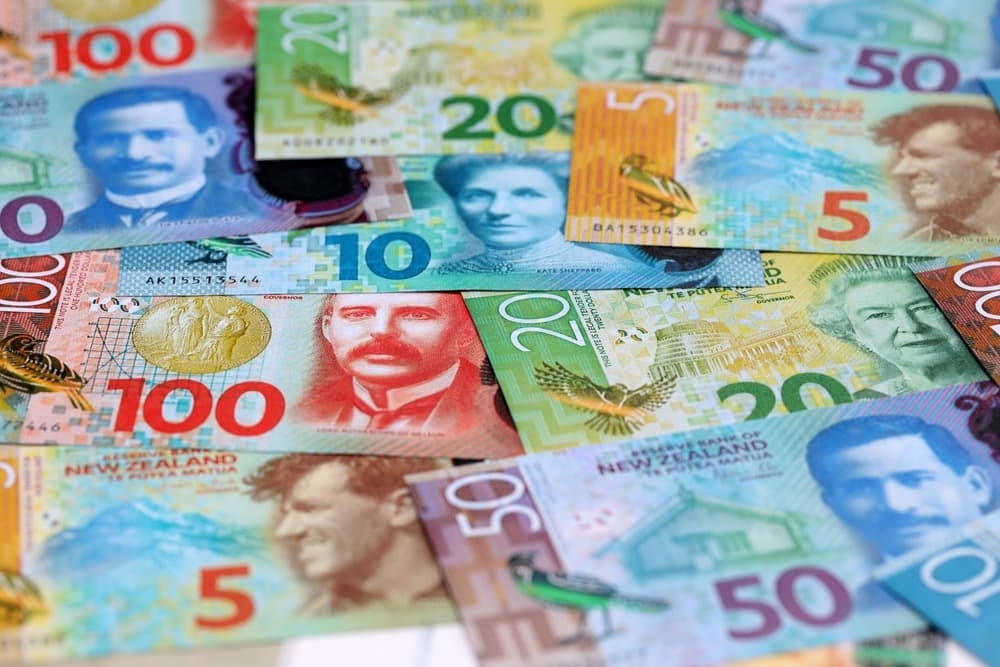
The New Zealand dollar is divided into 100 cents. There are coins in denominations of 10, 20, and 50 cents, as well as 1 and 2 dollars. The different coins display a portrait of Queen Elizabeth II on one face and Māori symbols or typically New Zealand animals on the other. Banknotes are available in denominations of 5, 10, 20, 50, and 100 dollars. The front features historical figures from the country, while the back illustrates various endemic birds.
If you're traveling with more than 10,000 New Zealand dollars in cash, you must declare it to customs upon arrival in New Zealand, as required by regulations. The good news is that the declaration is simple and quick if planned in advance.
Exchange rates and euro to NZD conversions
The New Zealand dollar historically has a lower value than the euro. On average, one New Zealand dollar is equivalent to approximately 0.52 euros, and one euro allows you to obtain around 1.90 NZD, according to current exchange rates. These exchange rates can fluctuate at any time. It's therefore advisable to monitor the New Zealand dollar exchange rate before and during your stay, using a reliable converter or mobile application.
To quickly convert prices to euros during your trip, it can be helpful to divide amounts by two, or to use a conversion application like XE or Currency. This allows you to better assess your spending and avoid unwelcome surprises. You can also consult daily exchange results published by certain banks to track the evolution of the New Zealand dollar rate.
Where to obtain New Zealand dollars?
It's possible to obtain NZD before you leave by contacting your bank, or once you arrive, at airports, banks, or exchange offices. However, many travelers prefer to withdraw money directly upon arrival using accessible automated teller machines (ATMs), which are present in all cities, in supermarkets, or in front of bank branches.
Among the main New Zealand banks are ANZ, ASB, Bank of New Zealand, KiwiBank, and The National Bank. Their accessible automated teller machines are available 24/7. Withdrawing from an ATM is often the simplest solution, but it's important to take into account the associated fees.
Watch out for fees and commissions
Whether you exchange cash or use your credit card, fees are generally applied. Exchange offices can charge up to 7 to 8% commission on conversions. For ATM withdrawals, fixed or proportional fees may be added depending on your bank. Similarly, credit card payments abroad can result in variable banking fees.
Before you leave, it's recommended to verify your credit card's fee conditions and, if necessary, temporarily increase your payment or withdrawal limits. Also inform your bank of your trip to prevent it from blocking your transactions as a security measure. Cards issued by digital banks like Revolut, Wise, or Fortuneo often allow you to limit or even eliminate these foreign fees.
It's also useful to know the conditions applied to international transfers, especially if you need to receive money or transfer funds from your home country. Fees can vary depending on the institution, and it's best to compare services offered by different banks before making an international transfer.
Accepted cards and common payment methods
New Zealand is a country where electronic payment is extremely widespread. Cash is becoming increasingly less used, even for small amounts. Almost all establishments (hotels, restaurants, shops, gas stations, markets) accept credit card payments. It's worth noting that Visa and Mastercard are the most commonly accepted. American Express cards, on the other hand, are less frequently accepted.
Contactless payment (PayWave) is widespread, as is mobile payment via Apple Pay, Google Pay, or Samsung Pay. These methods are very convenient, including for buying a coffee or a bus ride. However, it's advisable to always keep some cash on you, particularly for remote areas, markets, or certain campgrounds that use "honesty box" systems, where you must pay the amount due in cash in a designated box.
Additionally, the "cashback" system is common in New Zealand. When you pay by credit card at a store, you can ask to withdraw a small amount in cash at the same time, without additional fees.
Tips and local customs
Tipping is not a mandatory practice in New Zealand. Service is generally included in prices. However, it's common to leave a small supplement, particularly in major cities or highly touristy areas, if you're satisfied with the service. In a restaurant, a tip of around 10% is considered generous. When paying by credit card, the amount can be entered directly on the terminal when validating the transaction.
What to do with remaining New Zealand dollars after your trip?
Upon returning from your trip, you may have a few New Zealand dollars left in your pocket. Different coins generally cannot be exchanged, but banknotes, if in good condition, can be converted back to euros at certain exchange offices. However, it's important to note that some banks don't always accept this currency. Some travelers choose to keep a small amount as a souvenir, especially since the Reserve Bank of New Zealand regularly issues original commemorative coins, such as those inspired by the Harry Potter saga.