Pohatu Penguins
Pohatu Penguins
On the Banks Peninsula, near Akaroa, Pōhatu Penguins protects New Zealand's largest blue penguin colony, home to over 1,500 breeding pairs.
On the Banks Peninsula, about twenty kilometres from Akaroa, Pōhatu Penguins protects New Zealand's largest blue penguin colony. This family-friendly sanctuary is home to over 1,500 breeding pairs of Eudyptula minor, the world's smallest penguins, standing just 30 cm tall. The site combines guided nature observation with direct funding of a recognised conservation programme.
Why visit Pōhatu Penguins
Three reasons set this sanctuary apart from other penguin-watching destinations in New Zealand:
- New Zealand's largest kororā colony: over 1,500 breeding pairs recorded at Pōhatu / Flea Bay, on the South Island.
- A conservation-focused tourism model: excursion revenues fund the maintenance of over 200 artificial nesting boxes, control of introduced predators, and restoration of native vegetation.
- Diverse coastal wildlife: Hector's dolphins, New Zealand fur seals, seabirds, and occasionally yellow-eyed penguins complement penguin observations.
History: from sheep farm to sanctuary
The story begins in the 1980s, when Shireen and Francis Helps witnessed the decline of blue penguin colonies, attacked by introduced predators (ferrets, stoats, rats, feral cats) and weakened by gill-net fishing. The couple decided to transform their sheep farm at Flea Bay into a sanctuary for local wildlife.
Trapping work, burrow monitoring and rehabilitation efforts continued for decades. The Helps family expanded their action to native forest and other endemic species, giving rise to the Wildside Conservation Project. This commitment earned them a decoration from the New Zealand Order of Merit.
In 2020, the creation of the Conservation Helps Pōhatu Korora Kaitiakitanga foundation institutionalised this mission around three pillars: research, education and on-the-ground action, within an intergenerational framework.
What to see and do on site
Blue penguins (kororā)
Barely 30 cm tall, blue penguins nest in burrows or under rocks and return to sea at dusk. Observation is conducted from discrete shelters, without flash or artificial lighting, to minimise disturbance.
Experiences on offer
- Dusk observation: penguins returning from the sea, from dedicated observation points.
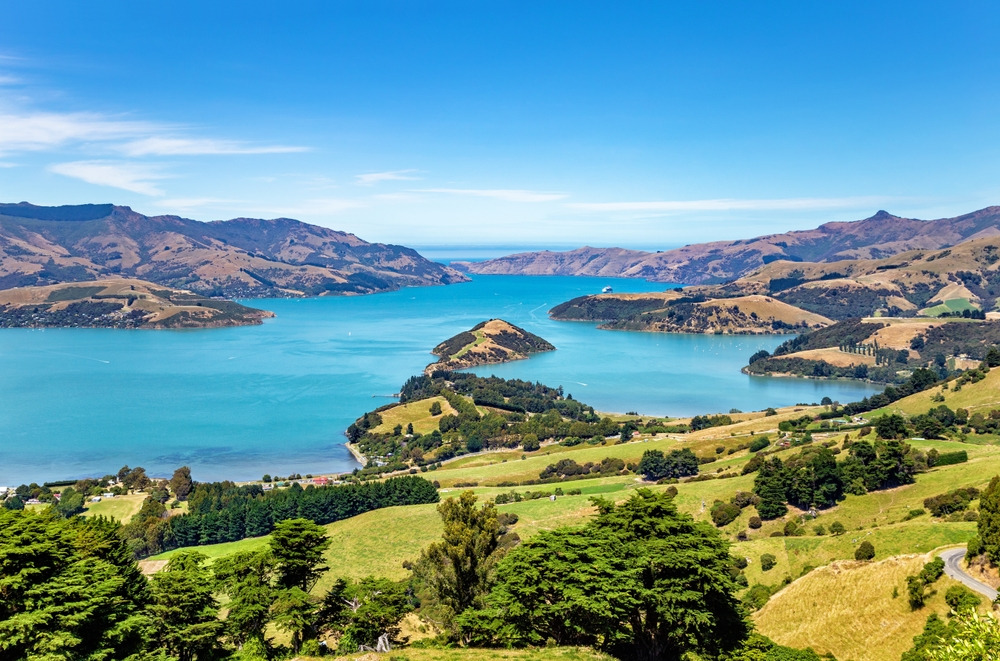
- Nature safari: traverse a pass on the peninsula by 4x4, views of Akaroa crater and volcanic coastline, observation stops.
- Sea kayaking in the Pōhatu Marine Reserve: skirting volcanic cliffs, reefs and caves; possible encounters with Hector's dolphins and fur seals.
- 24-hour farm stay: overnight on site, hiking, kayaking and night observation combined.
Associated wildlife
Beyond the kororā, the bay is frequented by Hector's dolphins (endemic to New Zealand), New Zealand fur seals and, occasionally, yellow-eyed penguins (hoiho), a significantly rarer species.
When to visit
The breeding season runs from August to January: this is the most active period, with adults alternating nest duty, and chicks appearing from November onwards. Observations are possible year-round, but colonies are less visible outside the nesting season. The dusk window remains the prime time, when birds return after their day at sea.
Practical information
- Booking mandatory: the site is not open to the public to protect the colony. All visits are guided and limited to small groups.
- Tour duration: plan for 2 to 4 hours for a standard excursion, up to 24 hours for a farm stay.
- Welcome centre: Unit 2, 8 Rue Balguerie, Akaroa, behind the BNZ bank.
- Rates: variable depending on the experience (observation, safari, kayak, stay); check with the operator when booking.
- What to bring: warm clothing and windproof jackets (the bay is exposed), walking shoes, binoculars if possible.
How to get there
The starting point for excursions is Akaroa, on the Banks Peninsula. From Akaroa, a 4x4 van transfer takes you to the remote Pōhatu / Flea Bay.
- From Christchurch: approximately 1.5 hours' drive to Akaroa, either by rental car or daily shuttles which stop near the office.
- From Christchurch International Airport: same travel time by road, via SH75.
- On site: no private vehicles access Flea Bay; transfer is included in all guided experiences.
What to see nearby
The Banks Peninsula and Canterbury region offer several natural extensions to a Pōhatu visit:
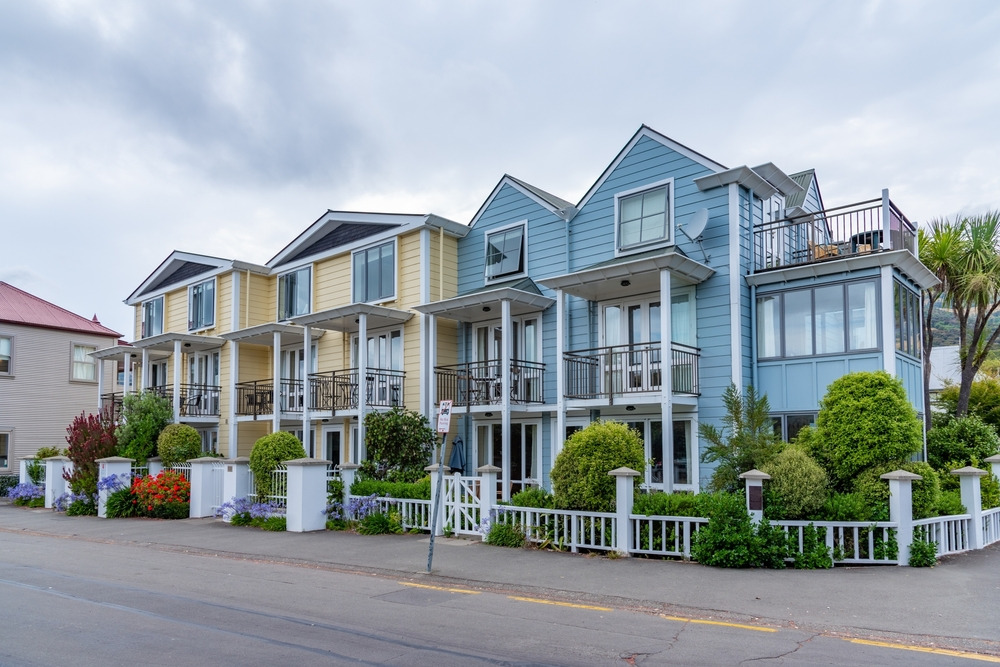
- Akaroa: village of French origins nestled in an ancient volcanic crater, the logical base for the excursion.
- Canterbury Museum in Christchurch, for the natural and cultural context of the region.
- Ashburton Lakes, a collection of alpine lakes south of Christchurch.
- Moeraki and its famous spherical boulders, on the east coast further south.
Frequently asked questions
Frequently asked questions
Plan your trip
Pōhatu Penguins fits naturally into an itinerary across the South Island, between Christchurch, the Banks Peninsula and the east coast. To create a bespoke journey combining wildlife, volcanic and alpine landscapes, explore our New Zealand travels.
Interested in this visit?
We can include it in your personalised itinerary.