Napier
Napier
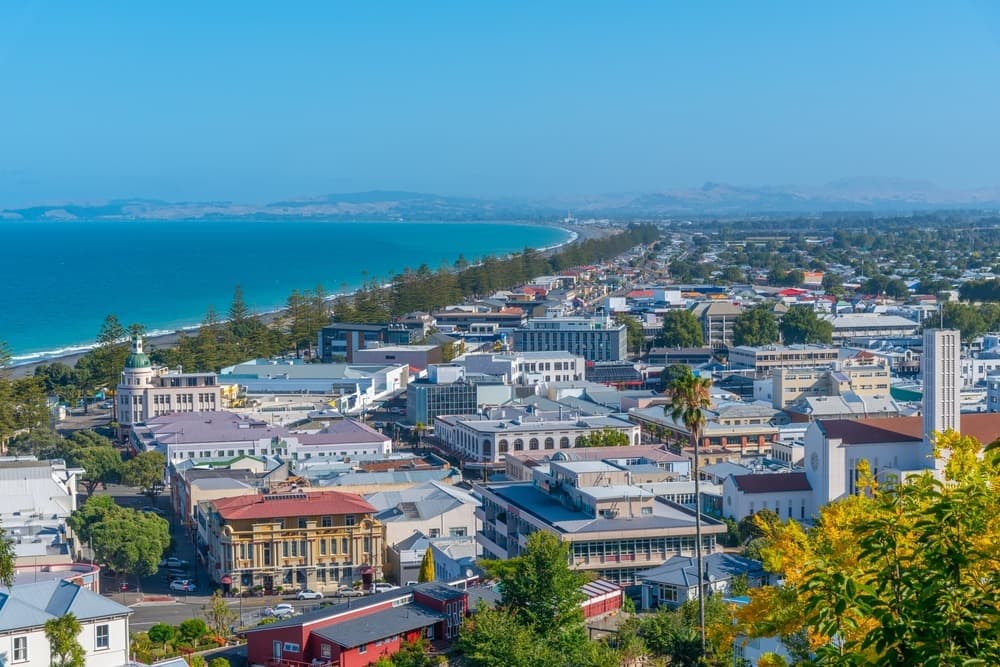
On the east coast of the North Island, Napier blends Art Deco facades from the 1930s, sun-drenched Hawke's Bay vineyards and a picturesque waterfront.
Nestled on the east coast of New Zealand's North Island, Napier is a city that marries historical charm, natural beauty and cultural vitality. Known for its Art Deco architecture, renowned vineyards and picturesque waterfront, this destination attracts history enthusiasts and nature lovers alike. Napier will seduce you with its unique atmosphere and warm hospitality.
What does Napier mean?
Napier takes its name from Sir Charles Napier, a British general who led military campaigns in India during the 19th century. This link to the British colonial empire is still reflected today in the names of several streets in the city.
What is Napier's history?
Long before the arrival of Europeans, the region was inhabited by various Māori tribes, including the Ngāti Kahungunu, who became dominant after displacing the Whatumamoa, Rangitane and other local groups. Chief Te Ahuriri, an emblematic figure of that era, even dug a canal to protect crops by limiting flooding. The current port district of Napier bears his name, Ahuriri, in memory of his importance in local history.
First contact with Europeans dates back to 1769, when Captain Cook charted the coasts of Hawke's Bay. From 1830 onwards, traders, missionaries and whalers gradually settled. In 1851, the English Crown officially purchased the land from local tribes. Three years later, Alfred Domett, a future Prime Minister of New Zealand, founded the city of Napier.
Initially, Napier developed around a cluster of hills nearly surrounded by the Pacific Ocean, with marshy areas and sandbars to the north and south. It became a "borough" (an independent urban municipality) in 1874, then the administrative centre of the Hawke's Bay region.
The major event in Napier's modern history occurred on February 3, 1931. On that day, a devastating earthquake of magnitude 7.8 struck the region for more than three minutes. It claimed 256 lives and destroyed much of the city centre. This earthquake also transformed the local geography; approximately 4,000 hectares of previously submerged land were raised nearly 3 metres, significantly expanding available land.
The reconstruction that followed was swift and ambitious. Inspired by the architectural styles of the era (Art Deco, Spanish Mission and streamline classicism), it gave the city its unique aesthetic. Napier is now recognised worldwide as one of the finest examples of an Art Deco city, and this style greatly contributes to its tourism fame.
Despite architectural developments in subsequent decades, the city centre has managed to preserve its 1930s character. Restored with care from the 1990s onwards, Napier has become a symbol of resilience, heritage and architectural singularity. The city is moreover considered together with Hastings as "Twin Cities" due to their complementarity and interconnected development.
Art Deco Architecture
Wandering through Napier's streets is like stepping back in time to the 1930s. Around every corner, buildings with pastel facades, geometric forms, clean lines and ornaments typical of Art Deco create a unique retro atmosphere. This singular charm has made the city renowned today, as it houses one of the largest concentrations of Art Deco buildings in the world.
Rebuilt after the earthquake, Napier transformed catastrophe into opportunity. By 1933, the city centre was reborn in an architectural style then in vogue: Art Deco. Born in reaction to Art Nouveau, this movement championed symmetry and structured forms, drawing notably from Cubism. In Napier, it is enriched with local influences: some buildings incorporate stylised Māori motifs, in a décor where palm trees and the Pacific Ocean coexist.
Even today, despite modern transformations, Napier has managed to preserve remarkable architectural coherence. Each year, this identity is celebrated at the Art Deco Festival, a festive event where the city returns to the elegance of the roaring twenties. Residents and visitors dress in vintage fashion, period vehicles fill the streets, and performances rhythm several days of celebrations.
The best way to learn more is to take a guided tour with the Art Deco Trust, either on foot or aboard vintage vehicles.
Moreover, among the city's emblematic buildings, one can mention:
- Art Deco Masonic Hotel, with its dome and pergola
- National Tobacco Company Building, a true masterpiece of the style
- Daily Telegraph Building, a jewel of architectural balance
- Public Trust Office, symbol of post-earthquake resilience
- Temperance & General Building, located on Marine Parade, home to the Dome Boutique Hotel.
Discovering Vineyards in the Hawke's Bay Region
Nestled in the sun-drenched Hawke's Bay region, Napier is surrounded by fertile lands where some of New Zealand's finest vineyards flourish. This wine region, among the most prestigious in the country, is also renowned for its exceptional varieties such as Chardonnay, Syrah, Merlot and Cabernet Sauvignon.
Wine lovers will be delighted by the numerous cellars and wine estates near the city, particularly in Tradale, Bay View, Hastings and Esk Valley. Most offer guided tours and tastings, allowing you to discover production secrets whilst savouring local flavours in often idyllic settings. Furthermore, it was also in this region that New Zealand's first commercial vineyard was founded. Mission Estate, which continues to host concerts and major events.
What to See and Do in Napier?
Napier charms many travellers with its architectural heritage, the beauty of the region's landscapes and the diversity of its activities. Between Art Deco buildings, coastal walks, vintage festivals, renowned vineyards and nature excursions, this New Zealand city offers a complete and original experience.
Must-see Attractions:
- Marine Parade: a 3 km waterfront promenade, lined with Norfolk pines, gardens (including the Sunken Garden), artworks, children's play areas, the Tom Parker Fountain, the Pania statue, cafes and various viewpoints.
- Beaches: Marine Parade Beach, Ahuriri Beach and Waipatiki Beach.
- Te Mata Peak: for spectacular views across Hawke's Bay.
- Bluff Hill Lookout: for panoramic views over the port from the heights.
Other Attractions and Activities
- Napier Aquarium (National Aquarium of New Zealand): an underwater tunnel allowing you to see penguins, tuataras, kiwis and various fish species unique to the region.
- MTG Hawke's Bay: Museum, theatre and gallery retracing regional history and presenting modern exhibitions.
- Napier Historic Prison: New Zealand's oldest, transformed into a visitor destination, escape game venue and even youth hostel. Day or night visits, sometimes with a "haunted" atmosphere.
- Cape Kidnappers: a spectacular nature reserve, accessible on foot or by tractor, home to a colony of Australasian gannets.
When to Visit?
Napier enjoys a mild oceanic climate year-round. Summers are warm and dry (up to 24.7°C in January), winters cool but moderate (4.8°C in July). The ideal period to visit extends from November to April, a time suitable for enjoying the attractions and numerous festivals.
Napier is easily accessible from the main cities on the North Island.
By Air
Hawke's Bay Airport, 6 km from the city centre, receives regular flights from Auckland, Wellington, Christchurch and other regional cities.
By Road
Napier is located on State Highway 2, with easy connections via State Highway 5 from Taupō. Be aware, this route has no petrol stations (between Taupō and Napier), so plan for at least enough fuel for 150 km.
By Bus
Local companies, such as InterCity, offer daily connections, and local bus number 12 links Napier to Hastings via Taradale every 20 to 30 minutes on weekdays.
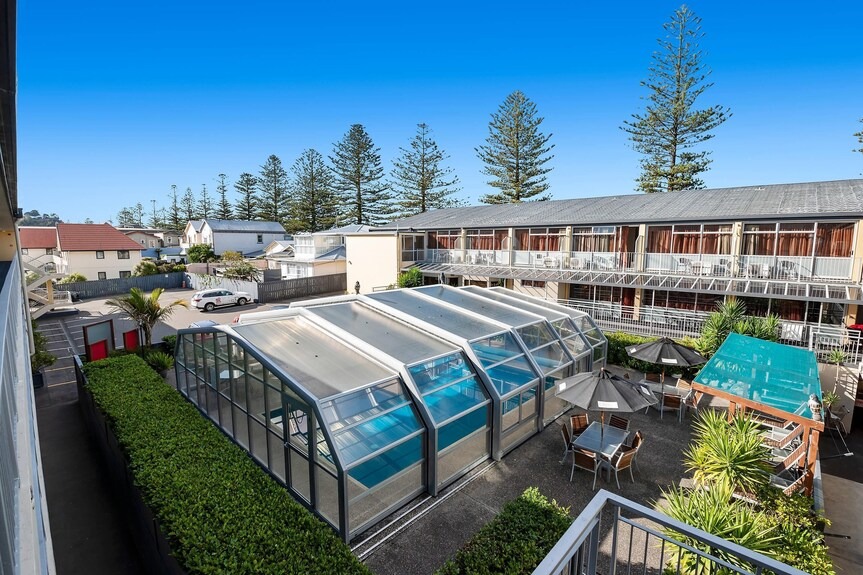
Accommodation in Napier
Want to discover this destination?
Our local advisors design your tailor-made trip.