Akaroa
Akaroa
Just 80 km from Christchurch, Akaroa blends French heritage, Hector's dolphins and the landscapes of the Banks Peninsula. The complete guide to planning your visit.
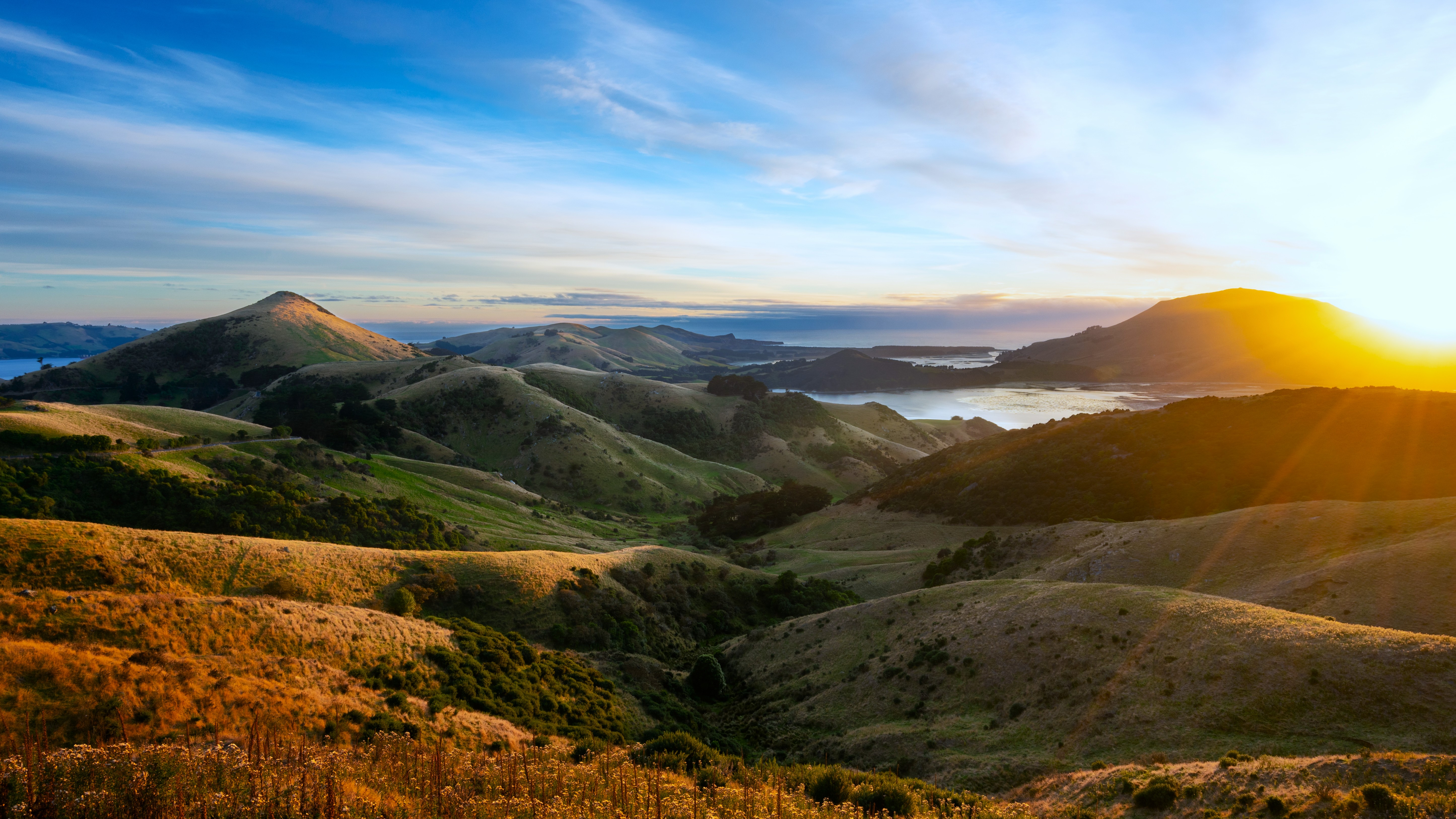
Nestled within an ancient volcanic crater, just 80 km from Christchurch, Akaroa is a hidden gem of New Zealand's South Island. Situated on the eastern coast of the spectacular Banks Peninsula, this charming harbour town captivates with its authenticity, its unique Franco-British heritage, and its breathtaking landscapes. Whether you're a history enthusiast, a lover of the sea, or simply a traveller seeking escape, Akaroa is the ideal destination for a family or couples' getaway, promising an experience both exotic and unforgettable.
What does Te Akaroa mean?
The name "Te Akaroa" comes from the Kāi Tahu dialect and means "long harbour" or "long bay", reflecting the elongated shape of Akaroa Bay. This region, once known to the French as Port Louis-Philippe, is today one of the rare places in New Zealand to retain such a visible Franco-European imprint.
What is the history of Akaroa in New Zealand?
Before European arrival
Long before French settlers established themselves, the region was inhabited by the Kāi Tahu Māori people. However, the 1830s were marked by tragic episodes. The village of Takapūneke, located east of Akaroa, was the scene of a massacre orchestrated by Ngāti Toa chief Te Rauparaha, with the complicity of a British captain. Hundreds of Māoris were killed or enslaved. These acts of violence and the absence of legal framework prompted the British Crown to strengthen its official presence in New Zealand.
The French colonisation attempt
It was in this context that in 1838, Captain Jean-François Langlois, commanding a whaling vessel, concluded an agreement with twelve Kāi Tahu chiefs to purchase 30,000 acres of the Banks Peninsula. His objective was to establish a French colony to facilitate whaling, a lucrative activity at the time. Upon his return to France, he founded the Compagnie de Nanto-Bordelaise, which organised an expedition backed by the French government.
On 9 March 1840, 63 French colonists (and a few Germans) boarded the ship Comte de Paris at Rochefort, accompanied by the corvette L'Aube, commanded by Captain Lavaud. Upon their arrival in Akaroa in August, they discovered that British sovereignty had been proclaimed just weeks earlier, rendering any French territorial claims void.
A French colony under British sovereignty
Despite this setback, the French settled in Akaroa Bay, establishing Akaroa and German Bay (now Takamatua) for the Germans. They preserved their language, legal system, architecture, and even established a Catholic mission. However, French colonial ambitions waned: land rights for the Māoris were never officially recognised, the company went bankrupt in 1849, and the colony gradually fell under British control.
A transformation through the centuries
Akaroa evolved rapidly over the following centuries. By 1903, it had become a sought-after holiday destination. Its past tied to whaling gave way to an economy centred on agriculture, fishing, and above all tourism. Akaroa Harbour, of exceptional beauty, now welcomes cruise ships, marine excursions, and visitors eager to discover its unique history and spectacular landscapes.
Akaroa village today
Although the French colonisation attempt lasted only a decade in the nineteenth century, it left an enduring imprint on this small New Zealand village. The influence is tangible on every street corner: signage displays French street names, and shop windows bear names such as "La Boucherie du Village", "Ma Chérie" and "L'Hôtel".
Today a thriving seaside resort, Akaroa has become a genuine tourism hub, particularly since it welcomed increased cruise traffic following the 2011 Christchurch earthquakes. The number of port calls has risen considerably, transforming this peaceful village into a lively port, especially in summer.
Yet Akaroa remains a living, authentic place, where French accents can still be heard, carried by young travellers on Working Holiday Visas. Its school, founded in 1857 and reorganised as Akaroa Area School, currently welcomes around a hundred students, perpetuating an ancient educational tradition.
The soul of the village is also expressed through its preserved architecture: charming historic stone buildings, nineteenth-century holiday homes in pastel hues, and an artisanal atmosphere fostered by small local shops. Here you'll find handmade clothing, New Zealand wool products, local art, and unique souvenirs blending Māori culture with French inspiration.
Where to eat in Akaroa?
Wandering through the streets of Akaroa is more than discovering a simple New Zealand village: it's also tasting a genuine blend of cultures, where gastronomy plays a central role. Strolling along Rue Lavaud or Rue Jolie, lined with welcoming bistros, you could easily imagine yourself transported to a corner of Provence. On the waterfront, it's not uncommon to find classics on menus such as bouillabaisse, escargot or artisanal cheeses crafted in the region.
Indeed, despite its modest size, Akaroa offers surprisingly varied dining options. From homemade ice cream to freshly caught oysters, through local wine tastings in surrounding vineyards, culinary pleasures are everywhere. Even a simple fish and chips enjoyed at the quay becomes a unique sensory experience, elevated by the marine setting and briny aromas.
What to see in Akaroa?
Akaroa is rich in history and remarkable built heritage, testament to its past blending local populations, French colonists, English settlers, and Māoris.
Churches of Akaroa
Akaroa is home to numerous churches worth discovering:
- The elegant Anglican Church of St. Peter, in Gothic style and completed in 1863
- Trinity Presbyterian Church, built in 1886 and listed as a heritage site since 1990
- St. Patrick's Church, erected in 1865, and the Māori church of Ônuku, dating from 1878 and restored after 1939, both testify to Catholic influence.
Visiting Akaroa Museum
For history enthusiasts, the Akaroa Museum, housed in several historic buildings, is an essential stop. It traces the fascinating trajectory of this village, once envisioned as the nation's capital, and linked to the adventures of pirate William "Bully" Hayes and renowned Antarctic explorer Frank Worsley.
Discovering Akaroa Lighthouse
Not far from the village centre, a short walk leads to the iconic Akaroa Lighthouse. Built in 1879, it has occupied its current location in town only since 1980, having been relocated from the cliff at the harbour entrance. Now open to the public on certain days, the restored lighthouse offers a fine perspective on the village's maritime past.
What to do in Akaroa?
In Akaroa and its surroundings, nature-based experiences abound, each offering a unique glimpse into the ecological richness and singular charm of the Banks Peninsula.
Akaroa and its water activities
Among flagship activities, Akaroa Dolphins cruises offer an original approach to marine observation: here, it's dogs on board, equipped with life jackets, who actively help spot Hector's dolphins.
On a different note, Black Cat Cruises, a pioneer of ecotourism in New Zealand, offers award-winning excursions to discover local marine wildlife. On the agenda: kayaking in search of Hector's dolphins, fur seals, and numerous coastal birds nesting on cliffs or gliding above the waves.
Animal farming and reserves
On dry land, animal lovers can visit Shamarra Alpacas, a farm home to over 170 alpacas. Learn all about these gentle, woolly creatures, known for producing fibre three times warmer than sheep's wool. Visitors can approach them, feed them, and even cuddle them.
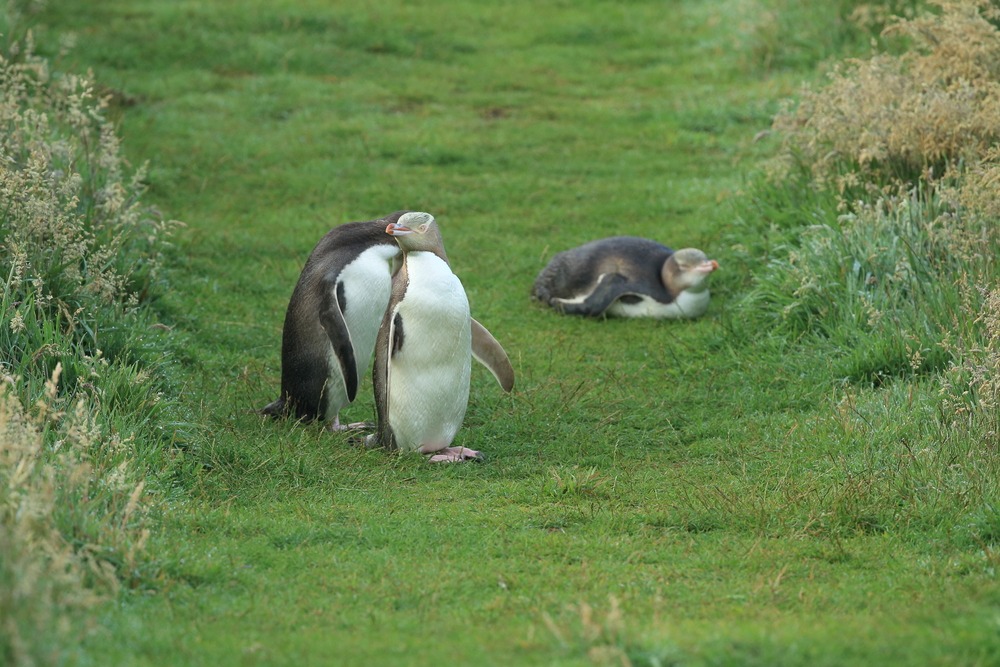
For an immersion in the world of birds, head to Pōhatu Marine Reserve, home to the largest white-flippered penguin colony on the mainland. Protected for decades by a passionate family, this reserve is discovered on a scenic journey from Akaroa, between rolling hills and isolated coves.
Night sky observation
Finally, as night falls, another magic takes hold. Akaroa's night sky observation tours take you far from any light pollution. Thanks to modern telescopes and explanations from passionate astronomers, you can admire twinkling stars, distant planets, and galaxies invisible to the naked eye.
Akaroa is located approximately 84 kilometres from Christchurch, roughly 1 hour 30 minutes' drive via the Summit Road and State Highway 75.
For those preferring public transport, two daily bus services connect Christchurch to Akaroa: Akaroa French Connection and Akaroa Shuttle. Both services depart from Rolleston Avenue, just outside the Canterbury Museum, and drop passengers in the heart of the village.
Akaroa is also a popular cruise ship port of call. When a ship drops anchor in Akaroa Harbour, passengers disembark by tender directly at the main quay. On busy days, a free shuttle runs every 15 minutes, connecting the quay, the visitor information centre, and the recreation area at the village's edge.
Want to discover this destination?
Our local advisors design your tailor-made trip.