Wellington
Wellington
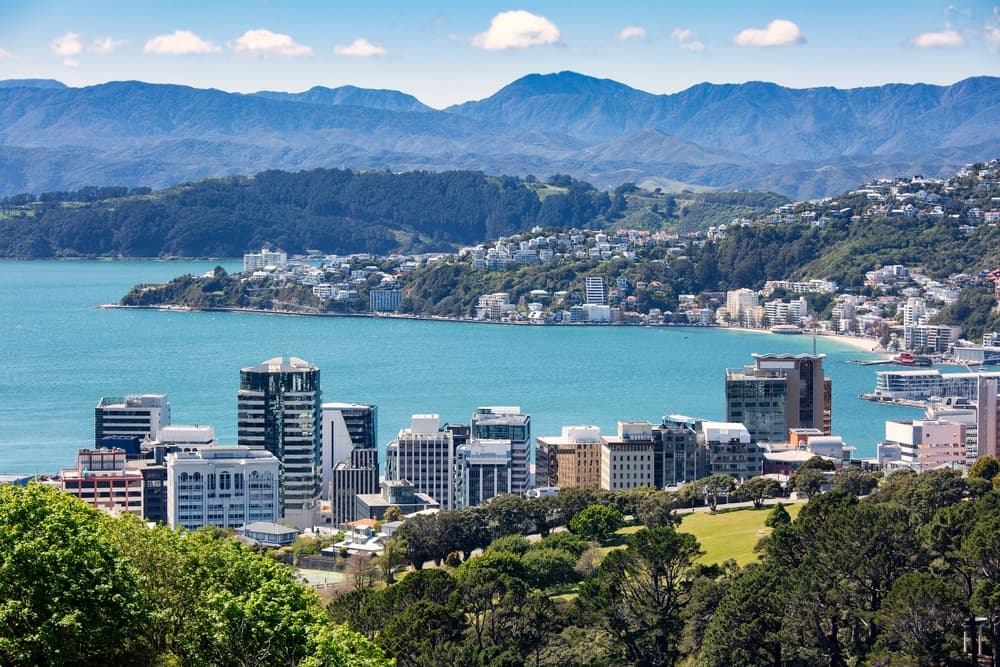
Wellington is far more than just an administrative hub. It's a vibrant city, culturally rich and spectacular in its geography. Bordered by Wellington Harbour and surrounded by steep hills, Nouvelle-Zélande's capital captivates both art enthusiasts and nature lovers alike.
Wellington is far more than just an administrative hub. It's a vibrant city, culturally rich and spectacular in its geography. Bordered by Wellington Harbour and surrounded by steep hills, Nouvelle-Zélande's capital captivates both art enthusiasts and nature lovers alike. With its bohemian cafés, interactive museums and breathtaking viewpoints, Wellington is often described as the coolest capital in the South Pacific.
Where is Wellington located?
Situated at the southern tip of Nouvelle-Zélande's North Island, Wellington is bordered by the Cook Strait and nestled between the steep hills of the Rimutaka Range. It stands as the world's southernmost capital of a sovereign state.
From Maori origins to European colonisation
Wellington possesses an ancient history deeply rooted in oral tradition and Maori culture. According to stories passed down through generations, the region is believed to have been explored around the 10th century by Kupe, a legendary Polynesian navigator considered one of the first to discover Aotearoa (Nouvelle-Zélande). Several centuries later, another Maori explorer, Whatonga, is said to have named the natural harbour Whanganui-a-Tara, in honour of his son Tara.
Whatonga's descendants settled in the region, forming the main population until the early 19th century. Over time, the area was inhabited by different iwi (tribes), notably Rangitāne, Muaūpoko, and later Te Āti Awa and Ngāti Toa. Upon the arrival of Europeans, several Māori villages were already established, including Pipitea Pa, Kumutoto Pa, Te Aro Pa and Tiakiwai Pa, whose inhabitants lived largely from maritime trade.
European colonisation of the region began in 1839 with the arrival of the ship Tory, sent by the New Zealand Company, a British corporation aimed at founding colonies in Nouvelle-Zélande. A second group of 150 settlers followed aboard the Aurora in January 1840. The first settlements were built at Britannia (now Petone), on the banks of the Hutt River, but the site, too marshy and flood-prone, was quickly abandoned in favour of higher ground around Lambton Quay.
What does the name Wellington mean in New Zealand?
The city of Wellington takes its name from Arthur Wellesley, Duke of Wellington, famous for his victory at the Battle of Waterloo in 1815. This noble title had been granted to him in reference to Wellington, located in the English county of Somerset. When settlers from the New Zealand Company founded the city in 1840, they adopted this name as a tribute to the Duke's active support for their colonisation project. According to Edward Jerningham Wakefield, one of the colony's pioneers, the settlers embraced this designation enthusiastically, seeing it as a powerful symbol of political recognition.
Moreover, the city of Wellington is also designated by other names in Maori, each carrying history and symbolism:
- Whanganui-a-Tara, designating principally the natural harbour of the city, now called Port Nicholson.
- Poneke, commonly used, which is believed to be a transliteration of "Port Nick" (abbreviation of Port Nicholson). Another interpretation links it to Pō Nekeneke ("journey through the night"), evoking the displacement of the Te Āti Awa people during colonisation.
Why is Wellington the capital of Nouvelle-Zélande?
First and foremost, Wellington has not always been Nouvelle-Zélande's capital. Until the mid-19th century, this role was held by Auckland, designated in 1841 by Governor William Hobson. But from the early 1860s onwards, the question of transferring the seat of government was seriously considered.
The main reason? Wellington's strategic geographical position, located at the heart of the country, between the two main islands. Closer to the South Island, Wellington offered an ideal location to improve communications and rebalance political power, in a context where there were concerns that the gold-rich southern regions might seek to secede.
In November 1863, Prime Minister Alfred Domett proposed to Parliament, still sitting in Auckland, to move the government seat to the shores of the Cook Strait. To avoid any bias in the choice of the future capital, a commission composed of Australian commissioners was appointed. After study, Wellington was judged the best location, thanks to its sheltered natural harbour and central position.
The Nouvelle-Zélande Parliament convened for the first time in Wellington on 26 July 1865, and the city was officially declared capital that year. At that time, it had only about 4,900 inhabitants, making the development it has experienced since even more impressive.
Today, Government House, the official residence of the Governor-General, is located in the Newtown neighbourhood, close to the famous Basin Reserve, underlining the ongoing importance of Wellington on the political and institutional stage.
A city shaken but resilient
Wellington sits on an active fault line, making it one of Nouvelle-Zélande's most earthquake-prone cities. The 1855 earthquake, estimated at magnitude 8.2, profoundly affected the city: it lifted the ground several metres, altering the coastline. Part of the current city centre sits on land reclaimed from the sea, notably near Lambton Quay.
Since then, urban planning has adapted: wooden constructions became predominant, alongside beautiful Victorian houses, while strict seismic standards govern new buildings. Wellington today presents a balance between restored heritage and modern earthquake-resistant architecture.
Wellington today
Wellington is far more than a political centre: it embodies one of Nouvelle-Zélande's cultural and economic powerhouses. Its economy rests primarily on the tertiary sector, with strong poles in finance, business services, public administration and new technologies. The presence of two major universities, including Victoria University's law faculty, fosters innovation, notably in science, education and healthcare.
Nicknamed "Wellywood", Wellington is also the capital of cinema and special effects, with international renown carried by Weta Workshop. Filmmaker Peter Jackson filmed the Lord of the Rings there, as well as King Kong, strengthening the city's global reputation. This is complemented by an intense artistic scene, with Te Papa Tongarewa museum, City Gallery, the Royal New Zealand Ballet and the National Symphony Orchestra.
Regularly ranked among cities offering excellent quality of life, Wellington charms through its natural setting, beaches like Oriental Bay, its steep streets, its waterfront, its vibrant neighbourhoods and its welcoming and creative atmosphere. It is a capital on a human scale, where it is pleasant to live, work… and dream.
What are the must-see attractions and activities in Wellington?
Essential sites to visit
- Te Papa Tongarewa Museum: the major interactive museum dedicated to Maori culture, the country's history and biodiversity.
- Weta Workshop (Miramar): a guided tour behind the scenes of cinema (Lord of the Rings, Avatar, etc.).
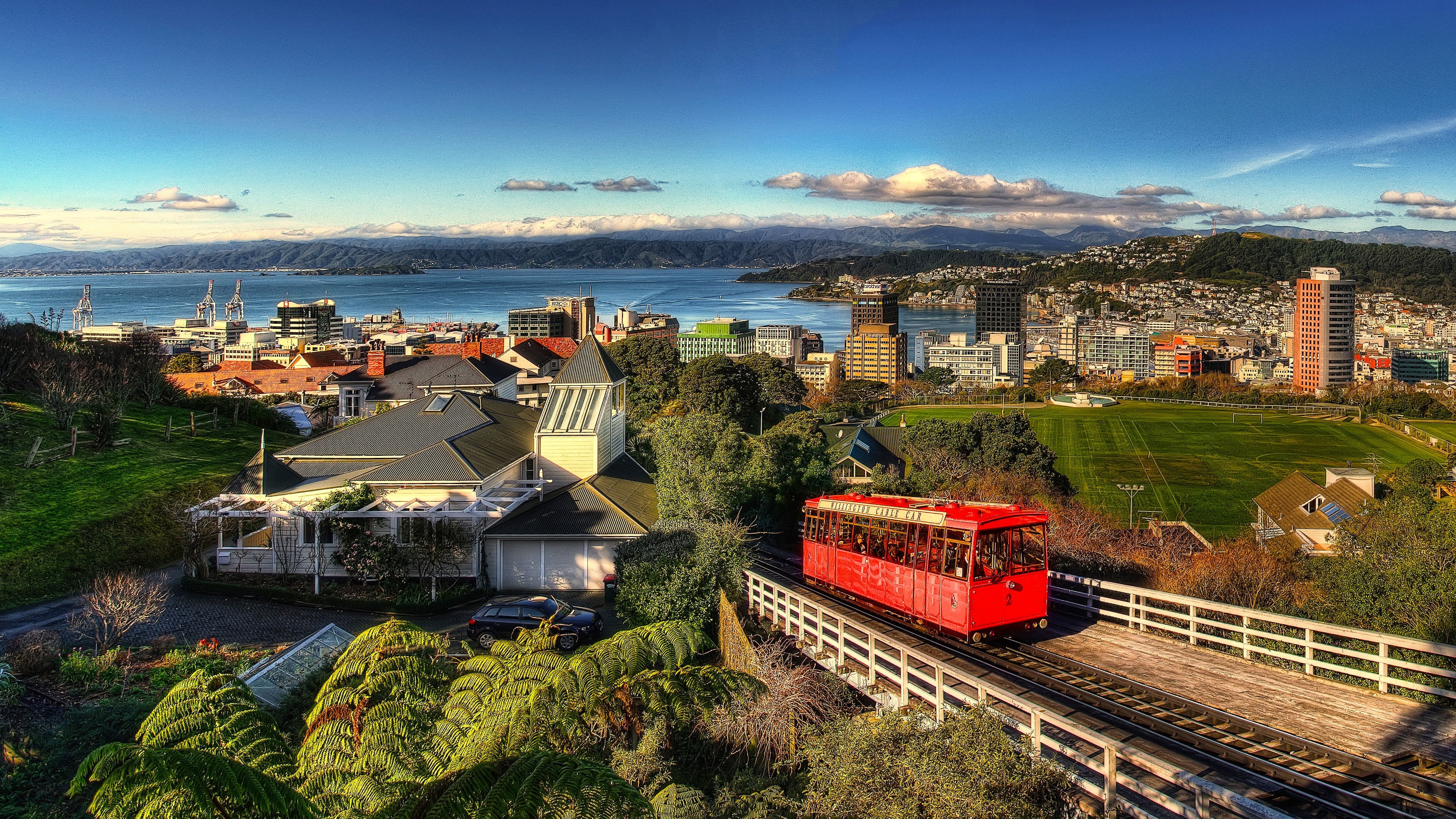
- Wellington Cable Car and Botanic Gardens: board the iconic red funicular and explore 26 hectares of greenery.
- Mount Victoria: a 360° viewpoint over the city.
- Parliament and the "Beehive": historic site and political emblem.
- Old Saint Paul's: an example of neo-gothic architecture.
Nature and outdoor activities
Wellington is surrounded by spectacular landscapes. Don't miss:
- Zealandia, a unique ecological sanctuary
- Oriental Bay, the popular urban beach
- Red Rocks Reserve, a coastal hike to a seal colony
- Mount Kaukau, the city's highest peak (445 metres high)
- Kayaking excursions or ferry trips to Matiu/Somes Island, a scientific reserve in the heart of the harbour.
Gastronomy
Considered the country's culinary capital, Wellington boasts more bars and restaurants per neighbourhood than New York. You'll savour exceptional coffee, local craft beers and inventive cuisine. Markets (Harbourside Market, Cuba Street Night Market) add a convivial dimension.
Festivals and events
Wellington's calendar is filled with cultural events:
- New Zealand Festival (arts and performances)
- Wellington Film Festival
- Beervana (craft beer)
- Wellington Pride Festival
What is the best time to visit Wellington, NZ?
Wellington enjoys a temperate oceanic climate, pleasant but very windy. Nicknamed "Windy Welly", it even holds the world record for average wind speed, with gusts regularly exceeding 60 km/h, sometimes more than 200 days per year. It is therefore advisable to always pack a windproof jacket, even in summer, as well as a sturdy umbrella.
The best periods and seasons to visit the city extend from spring (September to November) through autumn (March to May), passing through the southern summer (December to February). During these months, temperatures are mild, ranging between 20 and 22 °C, with pleasant sunshine. Conversely, winter (June to August), though rarely freezing (around 12 °C on average), is often more humid, windy and cool.
Wellington is served by an international airport located at Rongotai, just 15 minutes' drive from the city centre. It is Nouvelle-Zélande's third busiest airport, after those of Auckland and Christchurch. Principal regional hub for Air New Zealand, it mainly handles domestic flights and those to Australia.
Wellington is a compact city and easy to explore on foot. From Parliament to Mount Victoria, it's only about 3.5 km, allowing you to discover most sites of interest without a car.
For longer distances, the city has an excellent public transport network. The Metlink network offers frequent and reliable buses, as well as suburban trains serving the Kāpiti Coast, Hutt Valley and Wairarapa regions. To reach the South Island, Bluebridge and Interislander ferries provide connections to Picton.
FAQ
What is the capital of Nouvelle-Zélande?
The capital of Nouvelle-Zélande is Wellington, located at the southern tip of the North Island.
What is Wellington known for?
Beyond its status as capital, Wellington is primarily known for its dynamic art and culinary scene, its central role in cinema and special effects through Weta Workshop studios, as well as for its spectacular landscapes combining harbour, hills and preserved nature.
Attractions in Wellington
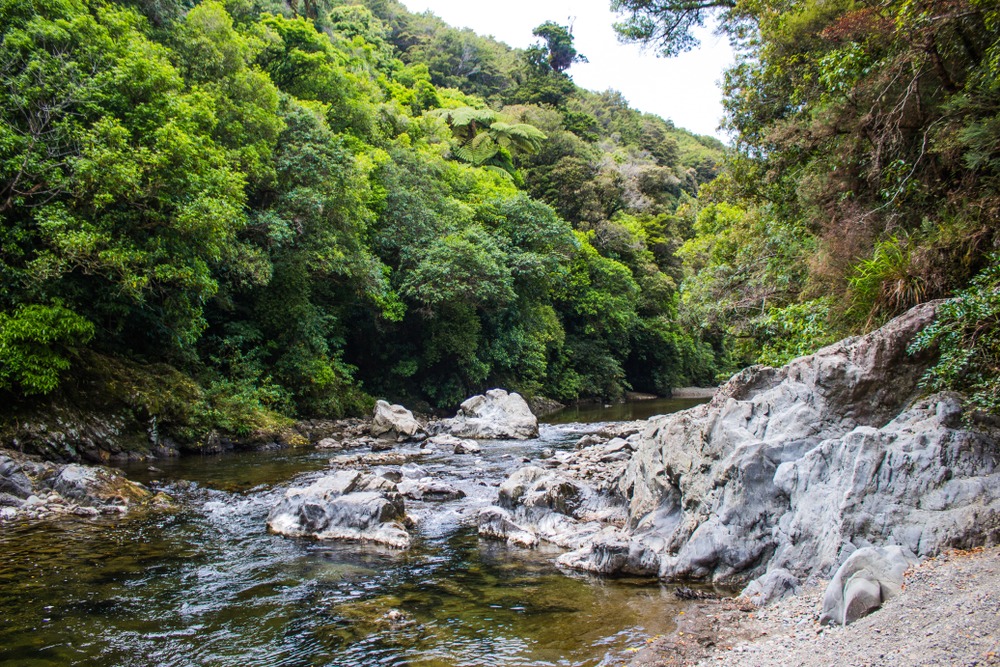
Parc Régional de Kaitoke
À 50 minutes de Wellington, le parc régional de Kaitoke réunit 2 860 hectares de forêt native, sentiers, rivières et le site de tournage de Fondcombe.
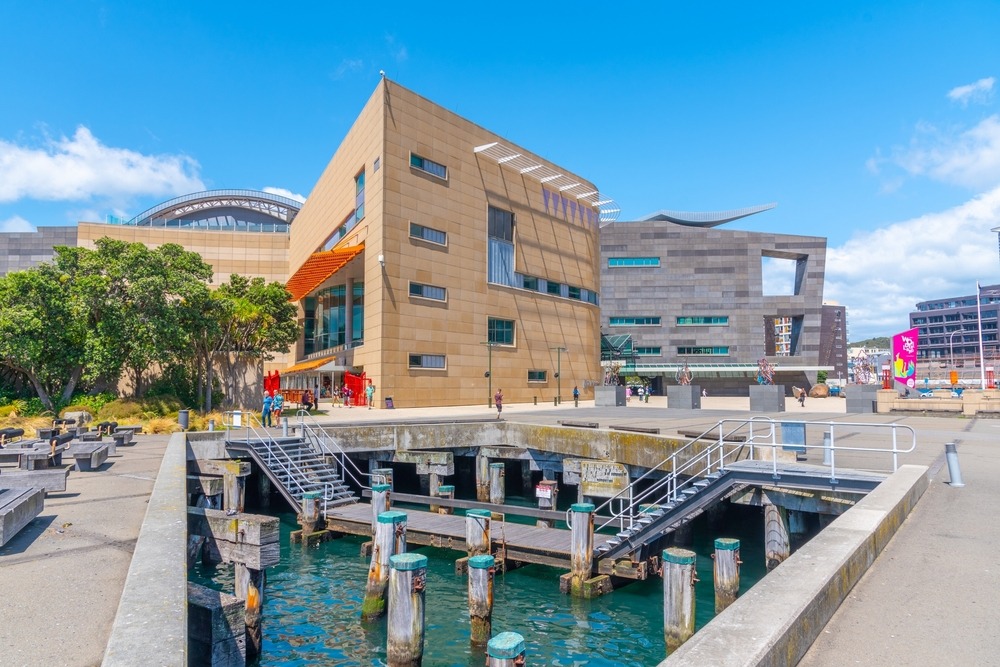
Museum of New Zealand Te Papa Tongarewa
Sur le front de mer de Wellington, Te Papa Tongarewa rassemble plus de 2 millions d'objets : art, culture māorie, histoire et nature de la Nouvelle-Zélande.
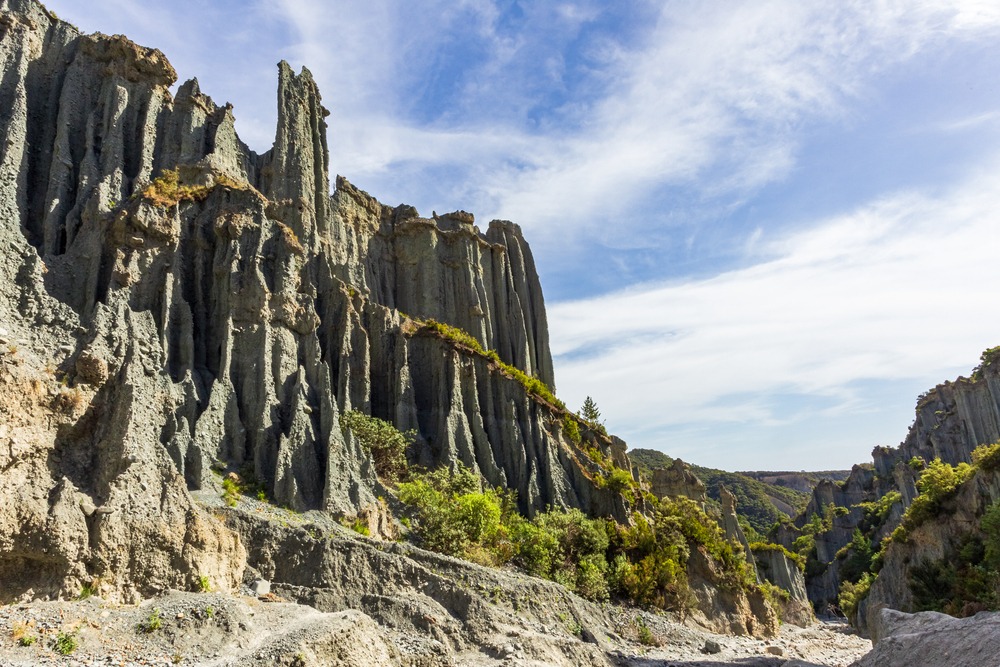
Putangirua Pinnacles
Cheminées de fée sculptées par l'érosion dans le Wairarapa, à 2h de Wellington : un site géologique unique, décor du Chemin des morts du Seigneur des Anneaux.
Accommodation in Wellington
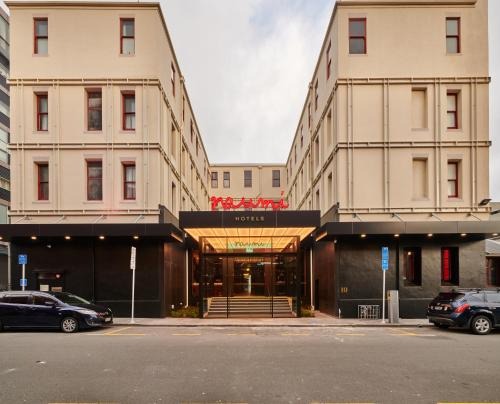
Naumi Studio Wellington
Hôtel-boutique 4 étoiles installé dans un bâtiment édouardien de 1908 sur Cuba Street, à Wellington. 116 chambres au design théâtral et restaurant fusion panasiatique.
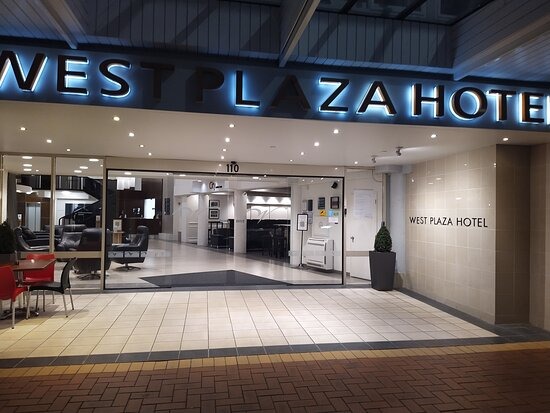
West Plaza Hotel
Hôtel 4 étoiles au 110 Wakefield Street, face à Civic Square : base centrale à Wellington avec restaurant, espaces de réunion et démarche responsable certifiée.
Want to discover this destination?
Our local advisors design your tailor-made trip.