Greymouth
Greymouth
Greymouth, the largest town on New Zealand's West Coast, blends mining heritage, Māori culture and direct access to glaciers and Paparoa National Park.
Nestled between the Tasman Sea and the Southern Alps, Greymouth is the largest town on the West Coast of New Zealand's South Island. Though modest in size, it brims with history, local charm and spectacular nature that attracts adventure seekers and lovers of raw, unspoiled landscapes.
Where is Greymouth Located on the West Coast?
Greymouth, known in Māori as "Mawhera", occupies a strategic position on the South Island. The administrative centre of the Grey District, this town stands at the mouth of the Grey River (Mawheranui), on a narrow coastal road bordered by the Tasman Sea on one side and the foothills of the Southern Alps on the other.
Greymouth also sits between two of New Zealand's most emblematic natural sites:
- To the north, Abel Tasman National Park, famous for its golden beaches and coastal forests
- To the south, the Fox and Franz Josef Glaciers, nestled in the glacial valleys of the west coast.
What is the History of Greymouth?
Long before European arrival, Māori people already knew the lands that would become Greymouth. They called this region Mawhera, a name meaning "wide river mouth", referring to the body of fresh water meeting the sea at this strategic point on the West Coast. The village of Mawhera Pā, established on the south bank of the river, was a meeting place, trading hub and home for local communities.
European exploration truly began in 1846, when Thomas Brunner, accompanied by Charles Heaphy, reached the region. Welcomed at the Māori pā, they stayed briefly before continuing their expedition. Two years later, Brunner travelled up the river, discovered coal deposits there, and named it "Grey River" in honour of Sir George Grey, then Governor of New Zealand. This name was later given to the town itself: Greymouth, literally "the mouth of the Grey".
The town's growth began in the 1860s, with the gold rush. Greymouth became a nerve centre for precious metal prospectors and merchants. Gold attracted a diverse population hungry for fortune. But mining quickly evolved: from the 1870s onwards, coal became the dominant wealth beneath the local soil. Explosions were frequent in the deep galleries. Greymouth then established itself as a major industrial port, exporting coal and timber throughout the country.
At the time, administrative boundaries shifted. The town moved from the Canterbury Province to the West Coast Province, created in 1868. Greymouth was officially founded in 1863, first called Crescent City, then Blaketown, Greytown, before taking its final name. It gained city status in 1864, a landmark event of the 19th century.
Moreover, transporting coal east posed a major logistical challenge. Ships struggled to cross the dangerous sandbars at the river's mouth. To remedy this, a railway line project to Christchurch was launched. The Otira Tunnel, built at great effort, was completed in 1923, marking a turning point in trade between the west and east coasts of the South Island. It notably facilitated travel from Christchurch to Greymouth by train.
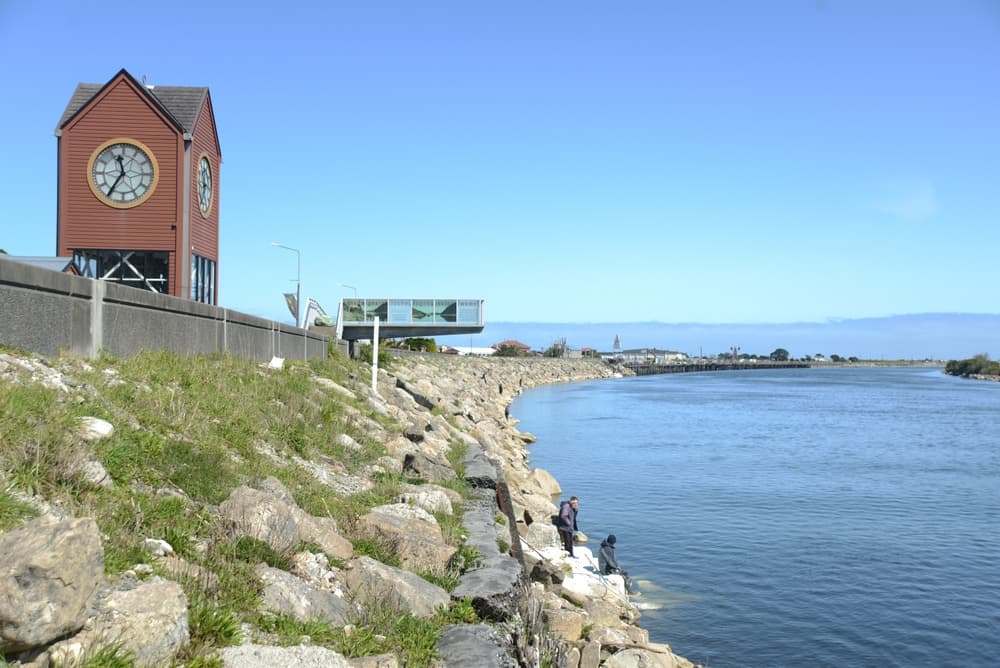
Furthermore, Greymouth was not spared by the elements: numerous floods marked its history, until the construction in 1992 of a protective dyke locally nicknamed "Greymouth's great wall", now an pleasant riverside promenade. Other major events, such as the 2005 tornado in Cobden, also left their mark on local memory.
Over time, the mining industry experienced gradual decline. The Pike River Mine, sadly infamous for its 2010 explosion, illustrates the persistent dangers of this activity. Forestry, then fishing, took over as important economic activities. Bituminous coal, still present, remains exploited on a small scale. Farming and dairy production also complement this diversified economy today, though secondarily.
Despite these hardships, Greymouth remains deeply marked by its past. The West Coast Historical Museum, housed in the town's former post office, preserves the stories, objects and photographs of this intense industrial era.
What is the Weather Like in Greymouth?
Greymouth enjoys a typical oceanic climate, mild but particularly humid. With an average annual rainfall of around 2875 mm, the town is one of the wettest in New Zealand. This constant humidity is due to westerly winds, laden with marine moisture, that hit the Southern Alps, causing frequent showers.
Temperatures remain moderate throughout the year: around 17°C in summer and 9°C in winter, with few extreme variations. Snow is rare, and excessively hot or freezing days are uncommon. However, wind can blow strongly, sometimes reaching 40 km/h.
Despite this changeable weather, Greymouth also enjoys clear, sunny days. This particular climate has enabled the development of lush forest all around the town. This dense vegetation provides a spectacular backdrop for walks and hikes.
Greymouth Today
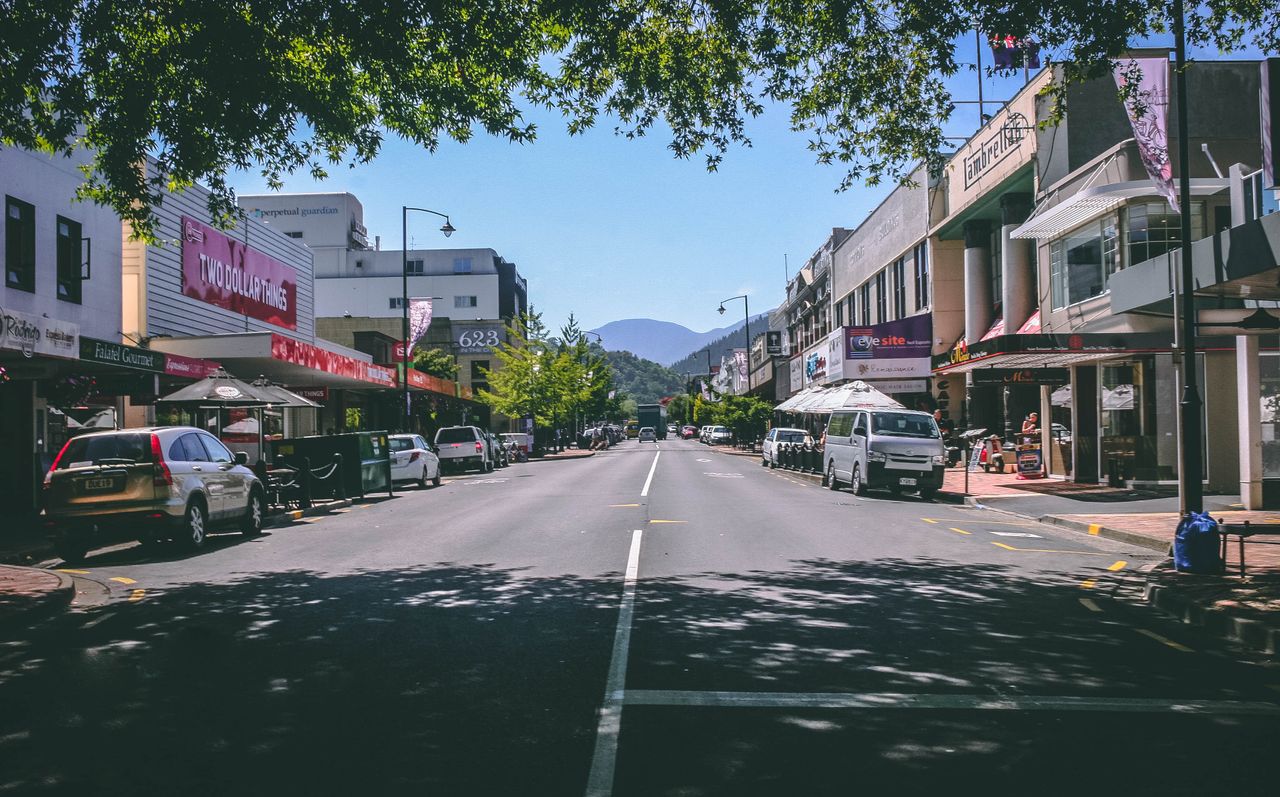
Though located away from major cities, Greymouth cultivates a dynamic cultural life and a sense of authentic welcome. In the town centre, the Left Bank Art Gallery showcases works by contemporary New Zealand artists, while honouring local craftsmanship, particularly jade (pounamu in Māori) and gold work, a direct legacy of the region's mining heritage. Throughout the downtown area, cafés and pubs reflect the town's welcoming atmosphere, while Monteith's Brewery, emblematic of Greymouth, invites tourists to discover one of the country's most popular craft beers.
Today, tourism, fishing and crafts form the pillars of the local economy. Greymouth is well-equipped to meet the needs of its population and visitors: shops, banks, supermarkets, and also a very useful i-SITE visitor centre to organise activities, find local accommodation and plan your routes.
There are several ways to reach Greymouth:
By Car
Greymouth is crossed by State Highway 6, which connects it to Hokitika to the south and Westport just north. It's also the endpoint of State Highway 7, which passes through Reefton and Lewis Pass to reach the Canterbury region. Allow approximately 3 hours 30 minutes from Christchurch and 2 hours 30 minutes from Fox Glacier (roughly 150 minutes drive).
By Train
The famous TranzAlpine, one of the world's most scenic train journeys, connects Christchurch to Greymouth daily, crossing the Southern Alps via Arthur's Pass. Departure is at 8:15 from Christchurch, with arrival at 12:45 in Greymouth. The return departs at 14:00.
By Bus
InterCity coaches serve Greymouth from several towns and areas including Nelson, Pancake Rocks at Punakaiki, Westport and Franz Josef Glacier, with schedules coordinated to connect with TranzAlpine arrivals.
By Air
Greymouth has a small airport less than 2 km north of the town centre. Though it does not offer regular scheduled flights, charter flights can be arranged.
By Bike
Greymouth is also the starting point of the West Coast Wilderness Trail, a famous cycling track. You can rent a bike there or even bring your own on board the TranzAlpine.
What Can You See and Do in Greymouth?
Greymouth offers a good mix of history, nature and outdoor adventures. It's an excellent base for exploring the region.
Must-See Attractions
Among the places to visit without fail are:
- Monteith's Brewery
- Shantytown Heritage Park
- Pounamu Pathway – Mawhera Pa
- Left Bank Art Gallery
Walks and Nature
For those who love walking and discovering the surrounding nature, you can explore the following trails and sites:
- Point Elizabeth Walkway
- Coal Creeks Falls
- Woods Creeks Track
- Brunner Mine Site
Adventures and Excursions
For thrill-seekers, there are many activities to choose from:
- Rafting
- Caving
- Mountain biking
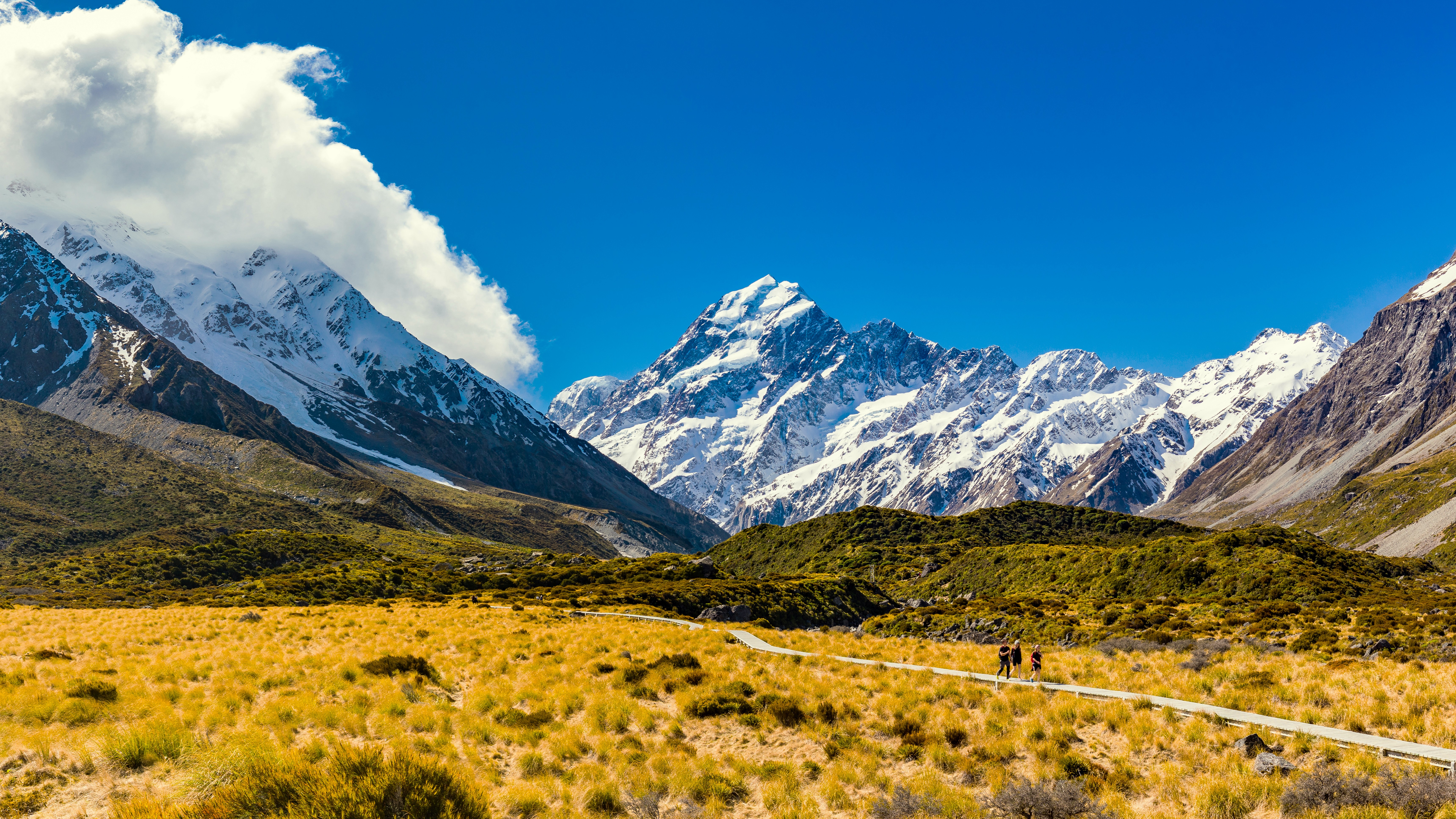
And to end your day, don't miss a magnificent sunset over the Tasman Sea with the shadow of Mount Aoraki/Mt Cook in the distance, visible on clear days from certain high points.
FAQ
Why is Greymouth Famous?
Greymouth is famous for its rich past linked to the gold rush and coal mining. Today it attracts travellers thanks to its beautiful scenery, local culture and outdoor activities.
What are the Transport Options Within Greymouth?
In Greymouth, visitors can move easily on foot around the town centre or use the taxis available near the station. Car hire services, guided tours and cycling trails also allow you to explore the region.
Accommodation in Greymouth
Want to discover this destination?
Our local advisors design your tailor-made trip.