Cook Strait
Cook Strait connects the North Island and South Island of Nouvelle-Zélande. The ferry crossing between Wellington and Picton offers views of the Marlborough Sounds, remarkable marine wildlife, and striking coastal landscapes.
Cook Strait separates the North Island and South Island of Nouvelle-Zélande, spanning approximately 22 kilometres at its narrowest point. This body of water links the Tasman Sea to the South Pacific Ocean and constitutes one of the country's most spectacular maritime crossings, flanked by cliffs, powerful currents, and panoramic views of both islands.
Quick Practical Guide
- Ferry crossing: Regular service between Wellington (North Island) and Picton (South Island) — approximately 3 h 30 to 4 hours depending on the operator.
- Operators: Interislander (KiwiRail) and Bluebridge operate the crossings.
- Booking: Highly recommended during peak season (December–February) and for vehicles.
- Weather conditions: The strait is known for strong winds and heavy swell; cancellations or delays are possible.
- Accessibility: Ferries are equipped for passengers with reduced mobility — check with the operator.
What You'll See
The crossing offers clear views of the steep coastlines of the Marlborough Sounds region to the south, and the Remutaka Peninsula to the north. On clear days, the snow-capped peaks of the Southern Alps appear on the horizon. Common dolphins and albatrosses frequently accompany the ferries.
History and Context
The strait is named after British explorer James Cook, who crossed it in 1770 during his first Pacific voyage. The Māori knew it as Raukawa Moana, "sea of Raukawa," and traversed it in waka (canoes) to connect the two islands. This strategic passage long facilitated exchange between Nouvelle-Zélande's two main landmasses.
Highlights of the Crossing
Entering the Marlborough Sounds
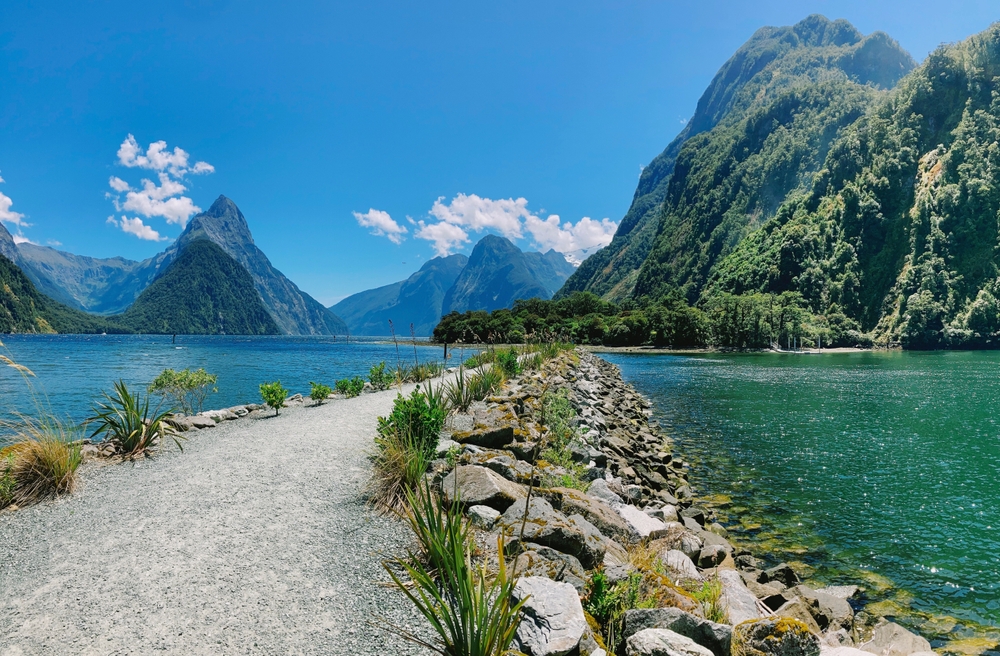
As it approaches Picton, the ferry enters Queen Charlotte Sound. The waters calm, forested hills plunge directly into the sea. This final passage lasts around 45 minutes and ranks among the most photographed moments of the crossing.
Marine Wildlife
Common dolphins (Delphinus delphis) regularly play in the ferry's wake. Orcas are spotted occasionally. Royal albatrosses, a colony of which nests at Taiaroa Head (Otago), sometimes soar over the strait during their movements.
Currents and Weather
Cook Strait is one of the Southern Hemisphere's windiest maritime passages. Observing the meeting of Tasman Sea and Pacific water masses — visible through changes in surface colour and texture — is an experience in itself.
Photography Tips
Morning light favours views from Wellington northward. Late afternoon bathes the Marlborough Sounds in side-lighting — ideal for capturing terrain relief. Position yourself on the outer deck at departure to capture dolphins off the bow. A telephoto lens is useful for seabirds.
Location and Access
The strait extends between Wellington to the north and Picton to the south. Wellington is accessible by air from Auckland, Christchurch, and other Nouvelle-Zélande cities. Picton is the gateway to the Marlborough region. Both ferry terminals are located in the city centres, close to bus and rail stations.
From Picton, the Marlborough Sounds region can be explored by kayak or boat. Wellington provides easy access to Te Papa Tongarewa, the national museum.
Nearby Attractions
- Marlborough Sounds — Network of fjords and bays to explore from Picton, ideal for tramping and kayaking.
- Queen Charlotte Track — Multi-day tramping trail hugging the shores of the Sounds.
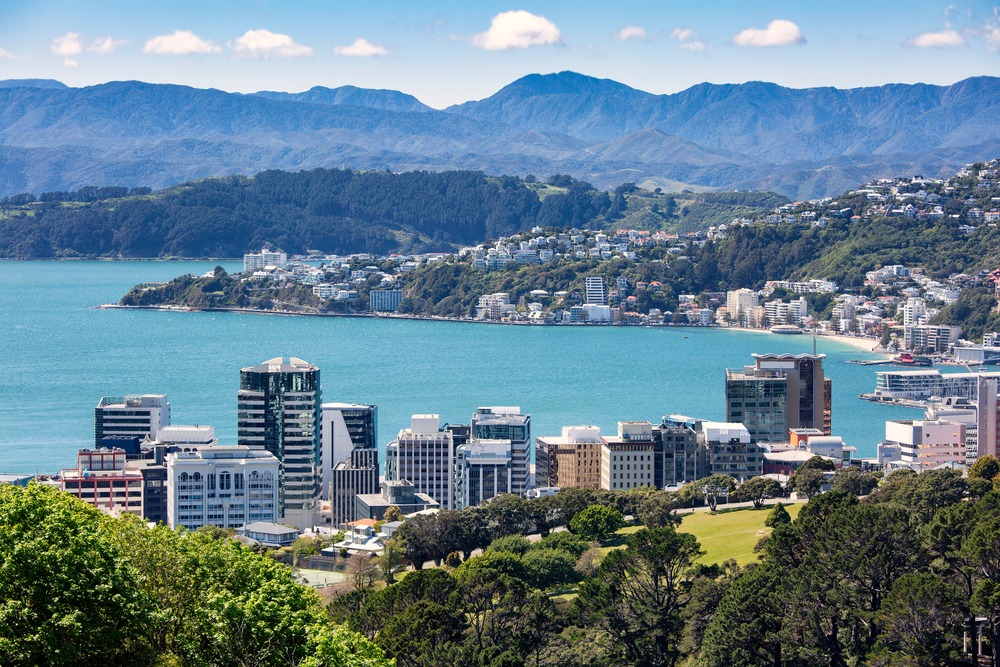
- Wellington Waterfront — Harborside promenade with museums, cafés, and port views.
- Marlborough Wine Region — Sauvignon Blanc vineyards just kilometres from Picton.
Frequently asked questions
The crossing between Wellington and Picton takes approximately 3 h 30 to 4 hours depending on the operator and weather conditions.
Booking is highly recommended, especially during the Southern Hemisphere summer (December–February) and if travelling with a vehicle. Seats fill quickly during Nouvelle-Zélande school holidays.
Yes. Cook Strait is subject to strong winds and heavy swell. Delays or cancellations are possible, particularly in winter. Build flexibility into your itinerary.
Common dolphins frequently accompany the ferries, especially off the bow. Wildlife sightings are not guaranteed, but observations are regular.
The Southern Hemisphere summer (December–February) offers the best weather and clearest views. Spring (October–November) is also pleasant with fewer crowds.
Picton is the ideal base for exploring the Marlborough Sounds by kayak or boat, tramping the Queen Charlotte Track, or heading to the Marlborough wine region.