Rotorua
Rotorua
Geysers, mud baths, natural hot springs and vibrant Maori culture: Rotorua encapsulates the geothermal and spiritual soul of the North Island in a single destination.
In the heart of the North Island, Rotorua offers a spectacle found nowhere else on Earth. Fumaroles, bubbling mud pools, hot springs and geysers remind you at every turn that the land here is alive. This thermal town nestled on the shores of Lake Rotorua captivates visitors as much through its geothermal landscapes as through its deeply rooted Maori identity, still very much a living force. Rotorua is also about open-air adventure, paired with an ever-present sense of relaxation. It's a destination where nature, culture and wellness are one.
Where is Rotorua located on New Zealand's North Island?
Situated in the Bay of Plenty region on the North Island of Nouvelle-Zélande, Rotorua occupies a strategic position at the heart of the volcanic plateau, within the country's most active geothermal zone. It stretches south of Lake Rotorua, from which it takes its name, and serves as the administrative centre of the Rotorua District, encompassing several surrounding localities. Thanks to its ideal location—between the Coromandel, the village of Hobbiton and the town of Taupo—Rotorua naturally imposes itself as an essential stop on any New Zealand road trip.
History
Rotorua takes its full name from the Maori "Te Rotorua-nui-a-Kahumatamomoe", meaning "the second lake of Maori chief Ihenga" in tribute to Chief Ihenga's uncle, an explorer of the Te Arawa people. Lake Rotorua, one of the largest in a series of lakes linked to the Rotorua Caldera and Mount Tarawera, gave its name to the town.
As early as the 14th century, Maoris settled here and established a prosperous pā at Ohinemutu. Rotorua would be marked in the 19th century by musket wars, then by the arrival of Europeans, including merchant Phillip Tapsell and several missionaries.
Its wealth of geothermal activity quickly caught attention: in 1880, a land lease between the Ngai Whakaue and the government enabled the development of a thermal station. After the departure of the train from Rotorua, connected by railway to Auckland in 1894, the town experienced rapid tourism growth, despite the loss of the Pink and White Terraces during the 1886 eruption.
Elevated to borough status in 1922 and then city status in 1962, Rotorua remains today a major centre of Maori heritage, geothermal activity and wellness, with history omnipresent and visible in its sacred gardens, buried village and historic trails.
A Land of Fire and Vapour
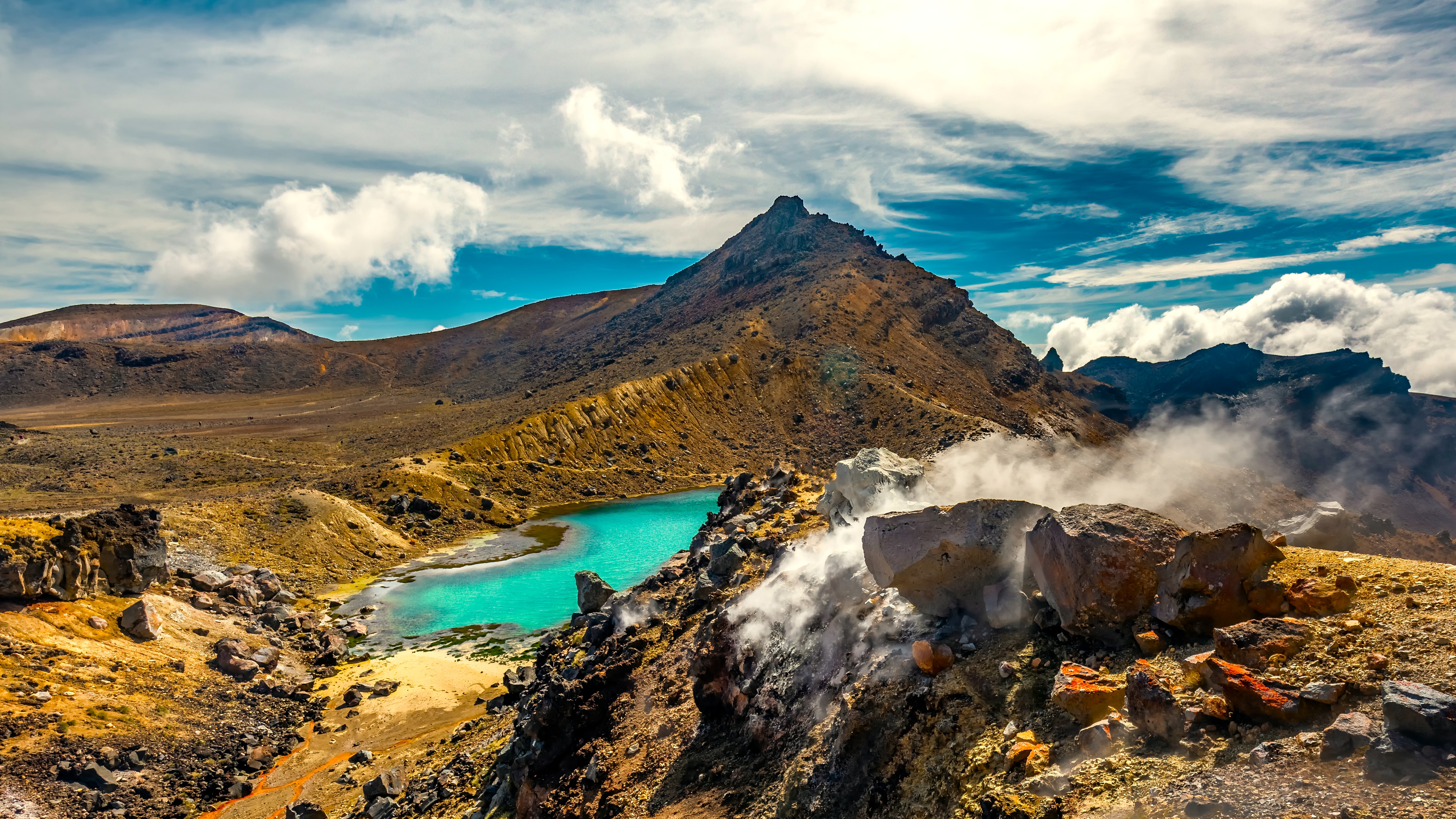
Rotorua is undoubtedly one of the world's premier geothermal destinations. This region abounds with hot springs, bubbling mud pools, geysers and steaming silica terraces, all linked to the imposing Rotorua Caldera, formed approximately 250,000 years ago. This exceptional geological setting shapes not only the landscape but also the sensory experience of visitors: omnipresent vapour, the smell of sulphur in the air and the rumbling of the earth punctuate each day.
The town and its surroundings concentrate several iconic sites:
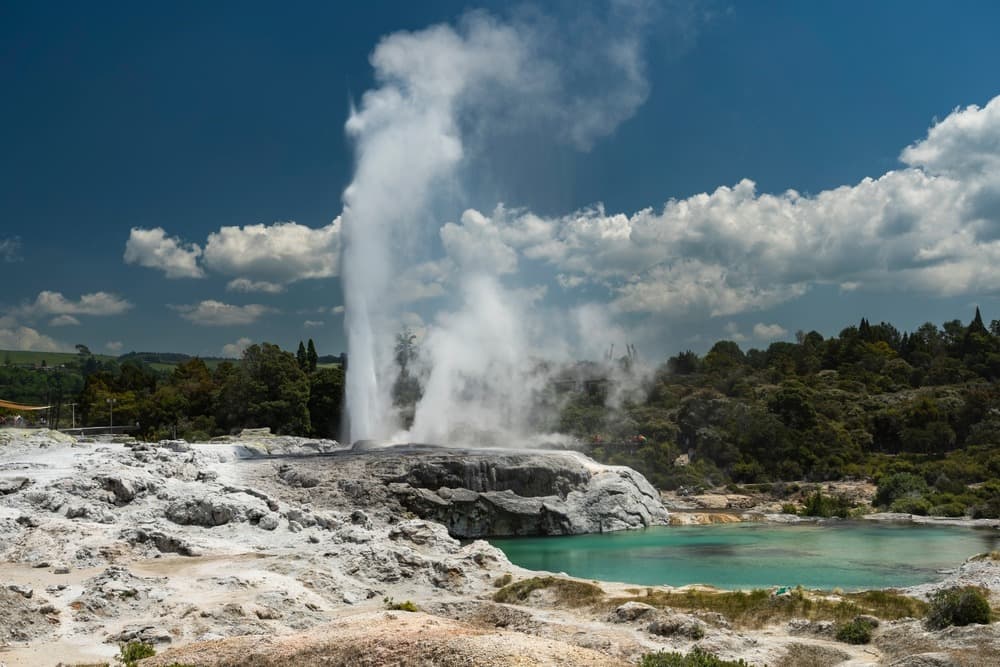
- At Te Puia, the Pohutu Geyser shoots up to 30 metres in height, sometimes 20 times a day.
- At Wai-o-Tapu, coloured pools like the Champagne Pool or Devil's Bath offer a surreal spectacle.
- The Waimangu Volcanic Valley, born from the eruption of Mount Tarawera in 1886, is home to the country's largest hot water lake, Frying Pan Lake.
- The village of Whakarewarewa, inhabited since the 19th century, demonstrates how Maoris have harnessed hot springs for generations to bathe, cook and live daily.
Since the 19th century, Rotorua has established itself as a thermal resort. The Government Gardens, classified as Waahi Tapu, and the Blue Baths, in Art Deco style, testify to this wellness tradition. Today, visitors traverse boardwalks amid steaming craters, discovering fumaroles and geysers, in a setting as educational as it is spectacular.
The Beating Heart of Maori Culture
Cradle of the Te Arawa people, established on the geothermal shores of Lake Rotorua for over 600 years, the town is currently one of the pillars of Maori culture in Nouvelle-Zélande. Here, traditions are not frozen in museums: they are alive, shared and transmitted daily, in a profound connection to the land and history.
In iconic places such as Te Puia, Tamaki Maori Village, Mitai and Whakarewarewa Village, visitors are invited to immerse themselves in experiences blending songs (waiata), dances (haka), meals cooked in a hāngī (traditional earth oven) and craft demonstrations. At Te Puia, the New Zealand Institute of Maori Arts and Crafts perpetuates ancestral expertise in whakairo (wood carving) and tā moko (traditional tattooing), training new generations of artisans.
Marae, Maori community centres, and their majestic carved meeting houses (wharenui) pepper the town and testify to the importance of spirituality and family bonds (whanau). Spending a night there, welcomed by an extended family, is a powerful human experience, filled with stories, rituals, conviviality and sharing.
Where to Bathe in Rotorua?
Beyond its volcanic landscapes and geysers, Rotorua is also a sanctuary of relaxation. Thanks to its intense geothermal activity, the town harbours an impressive concentration of hot springs, mud baths and natural spas, earning it the nickname "natural spa of the South Pacific".
Rotorua's thermal tradition dates back more than 160 years, to the time when the Pink and White Terraces already attracted the curious from across the country. Today, this vocation continues in renowned establishments:
- The Polynesian Spa, on the lakefront, offers 28 mineral pools
- At Hell's Gate, visitors can experience the country's only geothermal mud baths
- The Wai Ariki Thermal Springs and Spa combines traditional Maori medicine with luxurious wellness rituals, featuring herbal baths, frigidarium and treatments inspired by ancestral knowledge
- The Waikite Valley Thermal Pools, more rustic and secluded, offer a local immersion with pools ranging from 36 to 40°C, fed by the spectacular Te Manaroa spring
In Rotorua, wellness is part of daily life. Some accommodations even offer their own private pool, naturally heated by the earth. With their beneficial minerals, these waters soothe muscle pain, stimulate blood circulation and invite deep relaxation.
What to See and Do in Rotorua?
Varied Activities and Thrilling Experiences
Thrill-seekers will find their paradise at Velocity Valley:
- Jet boat
- Indoor skydiving
- Giant swings
- Rail capsule with human-powered propulsion
Feeling adventurous? Try white-water rafting on the Kaituna River and its 7-metre waterfall or soar above Mount Tarawera by helicopter. For breathtaking views, take the Skyline Rotorua gondola and descend by luge.
Mountain Biking Paradise
Rotorua is one of the world's premier mountain biking destinations, with over 150 kilometres of trails in the Whakarewarewa (Redwoods) forest. This dense forest of giant California redwoods offers trails for all levels. Each year, the town hosts major events like the Crankworx World Tour. The volcanic landscapes and well-maintained trails make it a top choice for cycling enthusiasts.
Redwoods Tree Walk
For an immersive nature experience, take the suspended walkway of the Redwoods Tree Walk, which winds between trees several metres above ground. By day and by night (thanks to enchanting illuminations), this walk offers a moment suspended in a magical setting.
Family-Friendly Activities and Attractions
Rotorua caters to families with a multitude of fun activities:
- Canopy ziplining
- Amphibious vehicle rides
- Luge-style bobsled runs
- Interactive farms
- Wingspan Falconry Centre
There's no shortage of entertainment for children. The youngest can even try gentle rafting on the Rangitaiki River from age 5 onwards.
Outdoor Activities and Volcanic Lakes
Beyond its extreme offerings, Rotorua is full of outdoor pursuits:
- Kayaking on Lakes Tikitapu or Roto-iti
- Hiking to Rainbow Mountain
- Bathing in the hot springs of Kerosene Creek
- Picnicking by Lake Rotorua
Here, nature is omnipresent and invites you to slow down... or accelerate the adventure.
By Car
The town is connected north and south by State Highway 5, east by SH33 and west by SH30. From Auckland, several routes are possible:
- Via Hamilton, using SH1 then SH5
- Via Matamata, a more scenic route but slightly less well-maintained.
A more rural alternative passes through Te Aroha, with a possible stop at Okere Falls. From Tauranga, allow approximately 1 hour via SH33 or SH36. From Wellington, the drive takes about 6 hours via Taupo.
By Air
Rotorua Regional Airport offers regular flights to Auckland, Wellington and Christchurch, with possible connections to other destinations such as Queenstown. Flights to Gisborne are also available via Sunair. Projects aim to extend the runway to accommodate international flights in the future.
By Bus
InterCity coaches serve Rotorua with frequent departures, with buses arriving at the i-SITE, the tourist information centre. Shuttles are also available, particularly for travellers staying in Holiday Parks or hostels.
By Bicycle
Located at 300 metres altitude, Rotorua is accessible to cyclists via the same road axes as motorists. Routes to the Bay of Plenty or Waikato are generally downhill, while the route to Taupo is more undulating and physically demanding.
FAQ
What is Rotorua's Characteristic Smell?
Rotorua's characteristic smell is sulphur, often compared to rotten eggs, due to its intense geothermal activity.
What Can You Do for Free in Rotorua?
In Rotorua, you can enjoy the walk at Sulphur Point for free, explore the Government Gardens, or wander through the Whakarewarewa forest among trails lined with giant redwoods.
Attractions in Rotorua
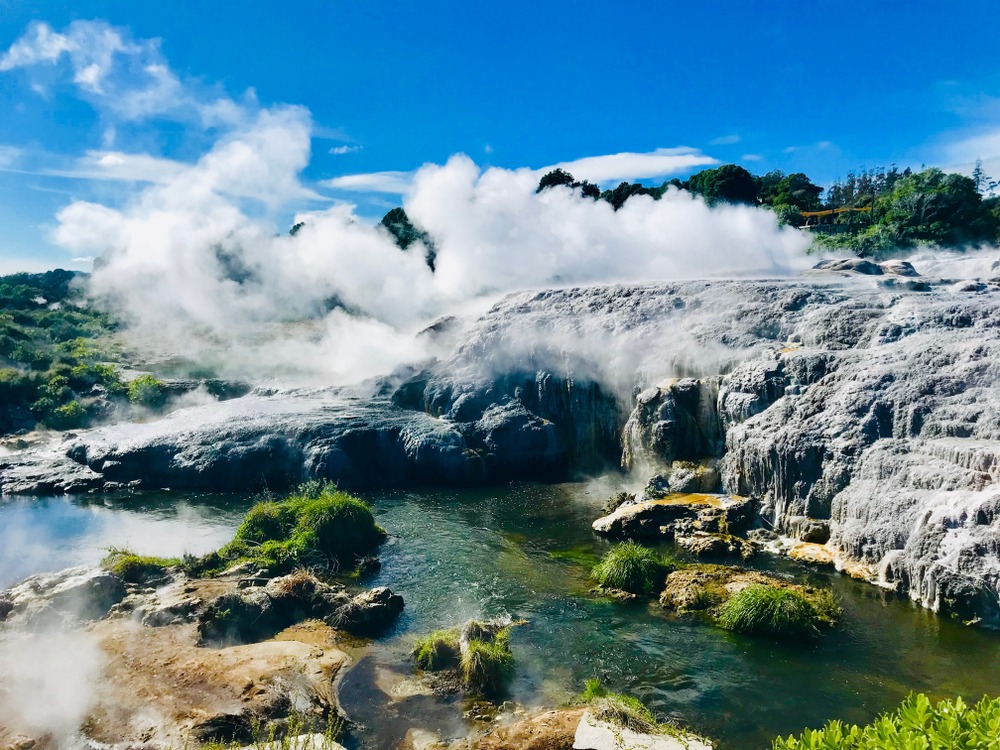
Te Puia
À 5 minutes de Rotorua, Te Puia associe le plus grand geyser actif de l'hémisphère sud, un institut d'arts maoris fondé en 1926 et un centre dédié aux kiwis.
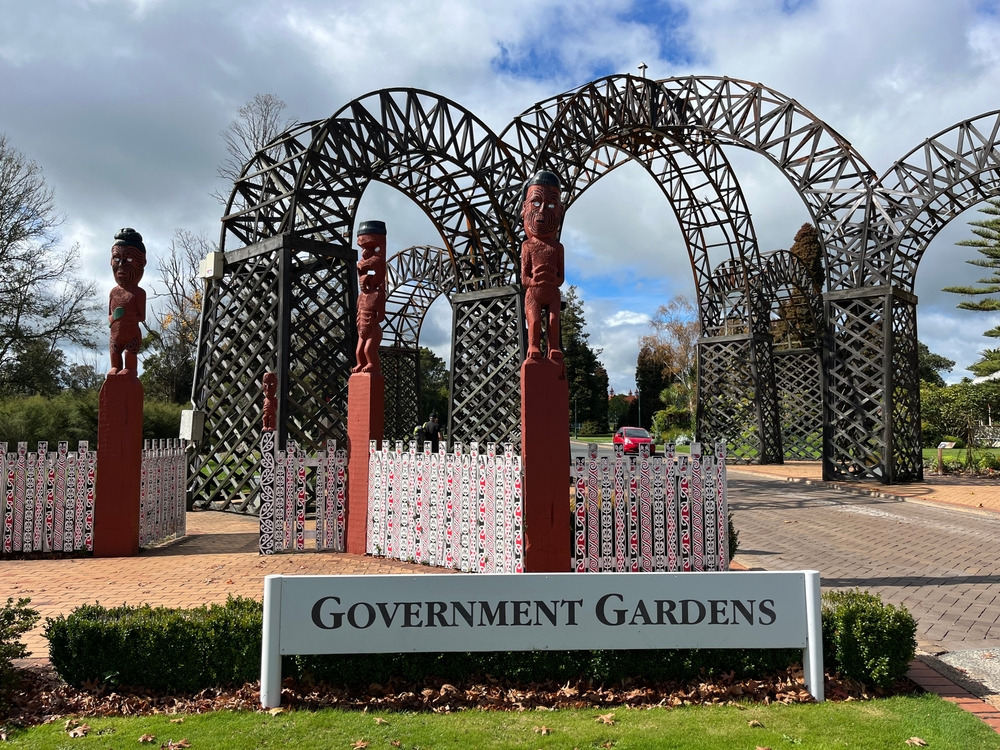
Government Gardens
Au centre de Rotorua, les Government Gardens réunissent architecture coloniale, mémoriaux maoris et bassins géothermiques sur un ancien terrain offert à la Couronne en 1880.
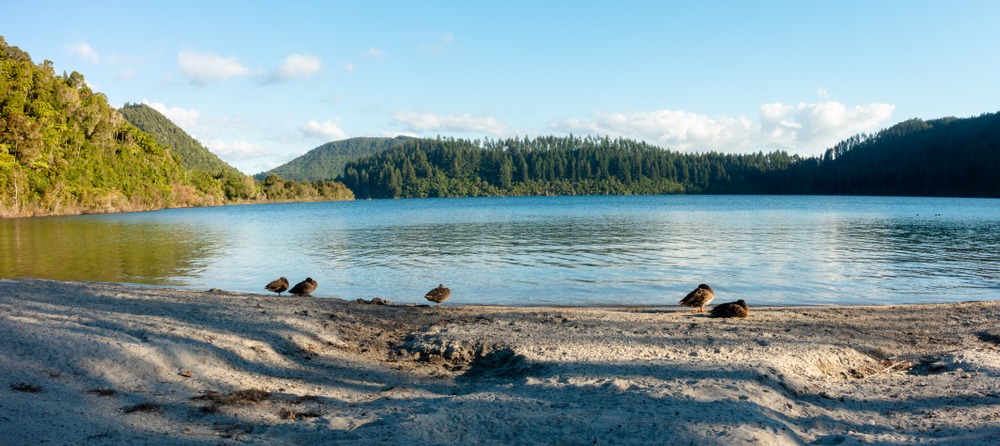
National Kiwi Hatchery
Centre de conservation dédié au kiwi près de Rotorua : visite des coulisses du programme Operation Nest Egg et observation des oiseaux en maison nocturne.
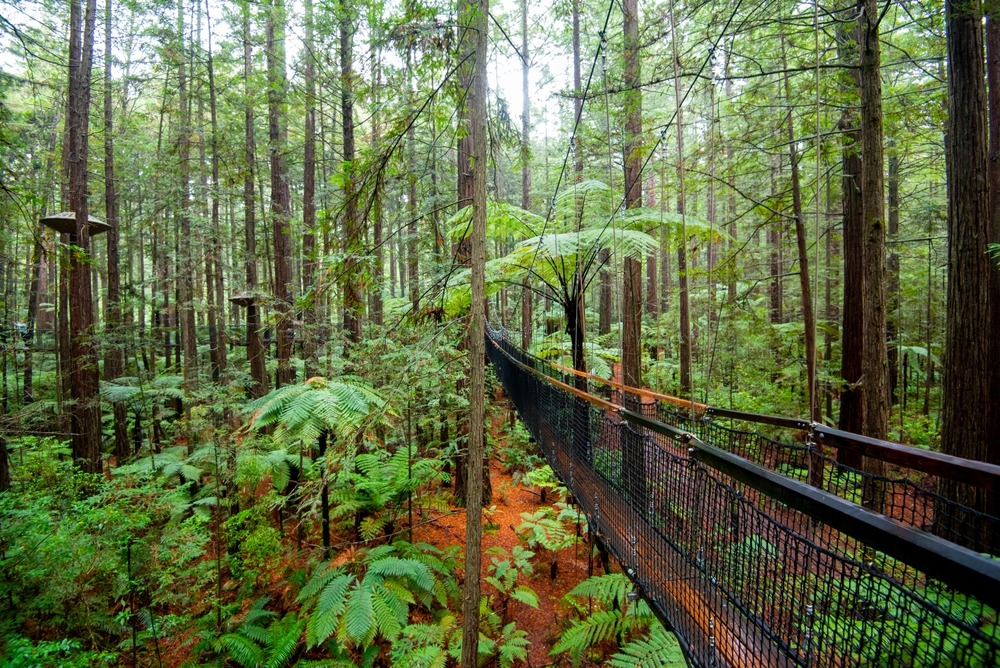
Redwoods Whakarewarewa Forest
À 5 km de Rotorua, la Redwoods Whakarewarewa Forest mêle séquoias géants, fougères indigènes, sentiers VTT et passerelles suspendues dans la canopée.
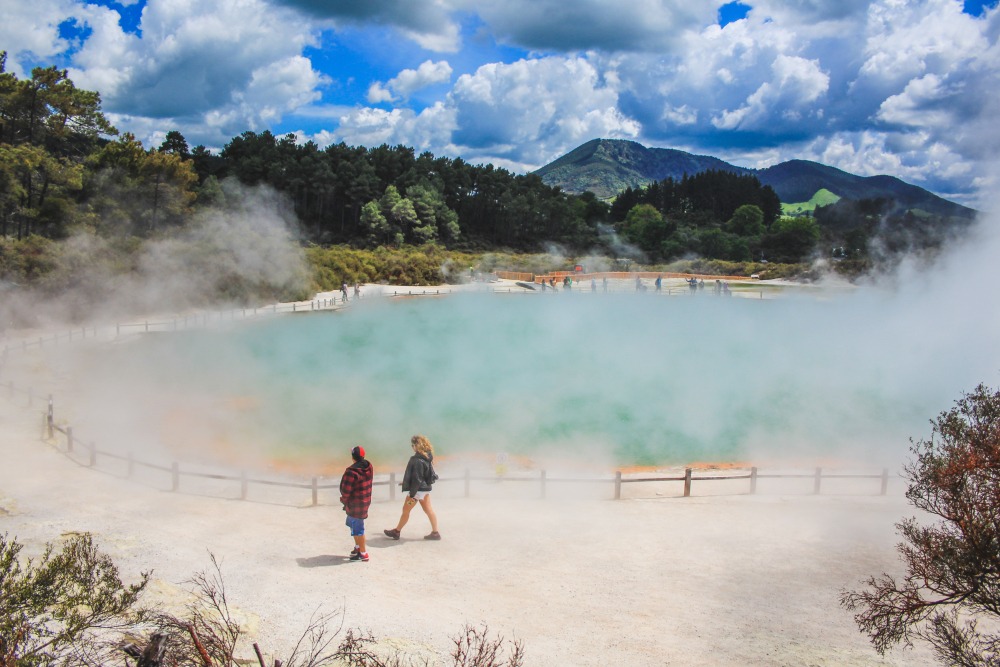
Waiotapu Thermal Wonderland
À 30 km au sud de Rotorua, Wai-O-Tapu rassemble bassins colorés, geyser Lady Knox et terrasses minérales sur l'un des sites géothermiques majeurs de Nouvelle-Zélande.
Accommodation in Rotorua
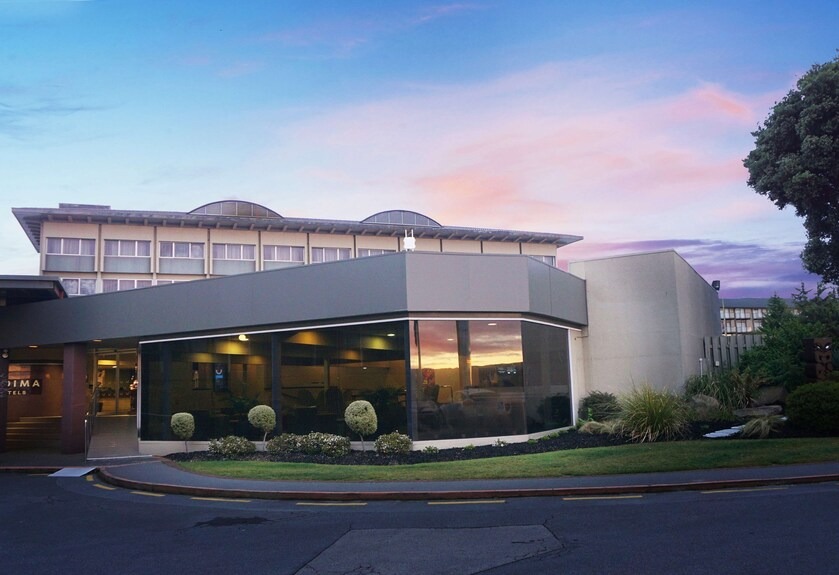
Sudima Hotel Lake Rotorua en New Zealand
Hôtel 4 étoiles de 250 chambres en bord de lac Rotorua, avec piscine chauffée par géothermie, abri VTT dédié et expérience culturelle maorie hāngī.
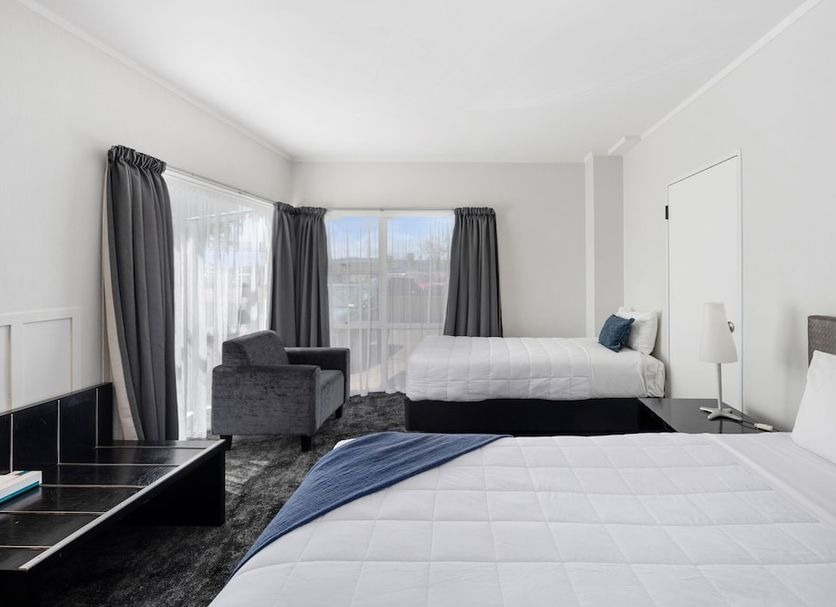
Lake Lodge Rotorua
Motel familial à 200 mètres du lac Rotorua, chauffé par géothermie, à pied du centre-ville et des principaux sites géothermiques de l'île du Nord.
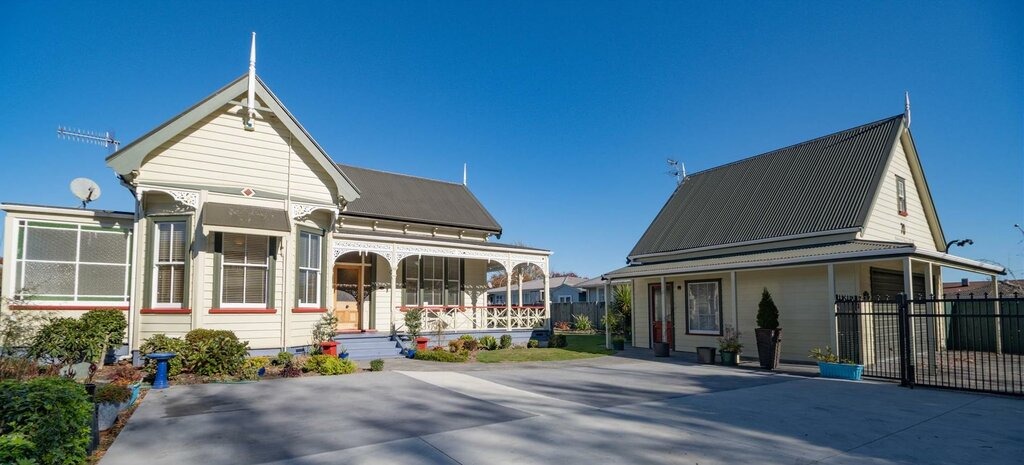
Robertson House à Rotorua
B&B installé dans une Bay Villa victorienne de 1903-1905, classée lieu historique de catégorie 2, à quelques minutes du centre de Rotorua.
Want to discover this destination?
Our local advisors design your tailor-made trip.