Tongariro National Park
Tongariro National Park
Three active volcanoes, the iconic Tongariro Alpine Crossing and sacred Maori land: Tongariro National Park is an unmissable destination on New Zealand's North Island.
Inscribed as a UNESCO World Heritage Site in 1993 for its dual natural and cultural significance, Tongariro National Park stands as one of New Zealand's most emblematic destinations. Nestled in the heart of the North Island, this volcanic wonderland captivates visitors with its breathtaking landscapes and profound spiritual importance to the Maori people. Established in 1887, it was not only New Zealand's first national park but also a legendary site that has drawn adventurers of all ages for over a century in search of raw nature, spectacular hiking, and connection with the earth's primal forces.
Location of New Zealand's first national park
Tongariro National Park lies within a region spanning Manawato–Whanganui and Waikato. It covers an area of approximately 795.98 km². The park sits about 330 km south of Auckland, 320 km north of Wellington, and close to Lake Taupo, making it easily accessible from the North Island's major cities.
Three active volcanoes at the heart of the park
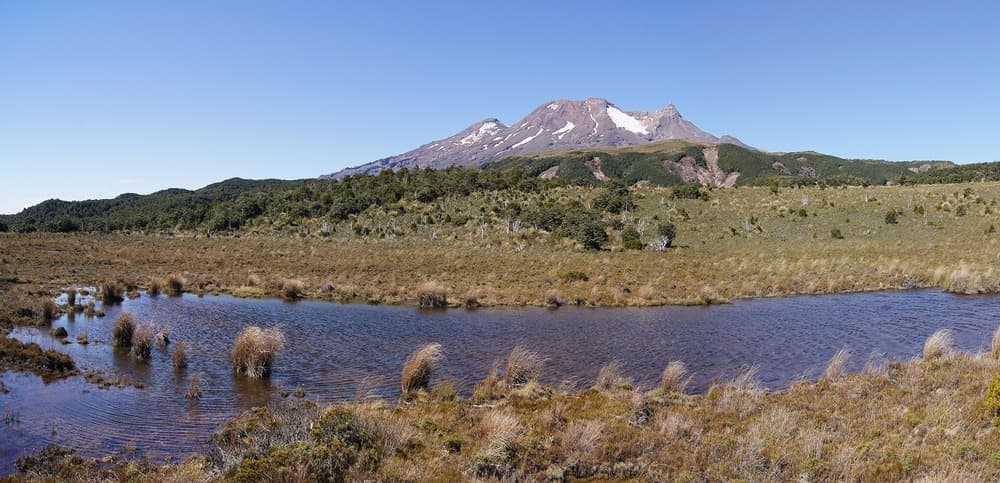
Tongariro National Park is dominated by three emblematic, still-active peaks that shape its landscapes and identity. Located at the southern end of the Taupo volcanic zone, these volcanoes form part of the Pacific Ring of Fire (Pacific Plate). Their volcanic activity, which began around two million years ago, remains evident today, with fumaroles, active craters, and unstable zones.
Mount Ruapehu
Mount Ruapehu, the North Island's highest point at 2,797 metres, is also the most extensive. It is renowned for its glaciers and an acidic lake nestled within the crater. This active volcano has experienced several major eruptions, including one in 1945 that sent ash as far as Wellington.
Mount Ngauruhoe
Mount Ngauruhoe, with its perfectly symmetrical conical silhouette, is the youngest and most recognizable of the three. Standing at 2,291 metres, it was immortalized on screen as Mount Doom in "The Lord of the Rings". Though it appears serene, it remains one of New Zealand's most active volcanoes, with its last recorded eruption in 1975.
Mount Tongariro
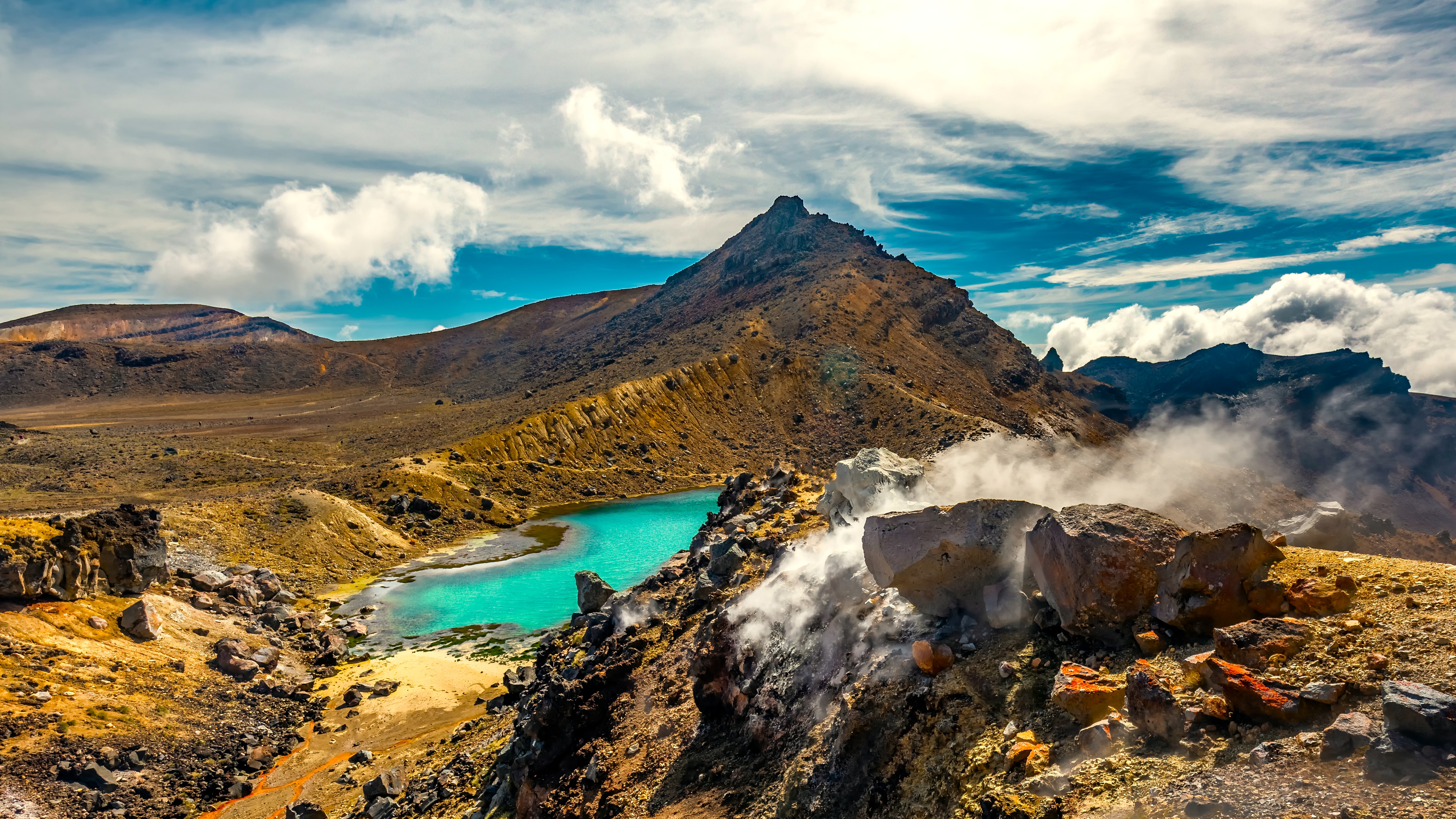
Finally, Mount Tongariro, the oldest and lowest of the trio at 1,978 metres, is considered the most sacred in Maori culture. It hosts several spectacular craters and coloured lakes such as the Emerald Lakes and Blue Lake, along with fumarole zones visible especially from the Tongariro Alpine Crossing trail. It was also the source of the park's most recent significant eruption in 2012, from the Te Maari crater.
Sacred land for the Maori people
For the Maori, particularly the Ngati Tuwharetoa iwi, the peaks of Tongariro National Park are sacred places (tapu) deeply rooted in their spirituality and cultural identity. In the late 19th century, Maori chiefs gifted these lands to the New Zealand nation to protect them, a gesture that contributed to the park's inscription on UNESCO's Mixed Heritage World List.
Maori oral tradition bestows distinct personalities upon the park's volcanoes, illustrated by legends such as the love triangle between Tongariro, Taranaki, and Ruapehu, which shaped the present landscape. Several park sites bear the names of Maori ancestors, such as Blue Lake and the Te Maari craters. The sacred nature of these peaks was long respected, even by early European explorers, some of whom faced consequences for violating these cultural prohibitions.
Tongariro Alpine Crossing in New Zealand
Regarded as one of the world's finest day hikes, the Tongariro Alpine Crossing is the signature experience of Tongariro National Park. This spectacular 19.4 km trail, typically completed in 7 to 8 hours, traverses an impressive volcanic landscape of smoking craters, emerald and vivid blue lakes, red rocks, and desert-like valleys. The non-circular route connects Mangatepopo car park (1,130 m) to Ketetahi (760 m), with its highest point at 1,886 metres near Red Crater.
The route delivers stunning panoramas of the active Tongariro and Ngauruhoe volcanoes. It is possible to detour to their respective summits, allowing several additional hours of walking. However, these zones are active and potentially dangerous, particularly around the Te Maari crater. Illuminated signs inform hikers daily of the volcanic risk level.
Moreover, this trail is physically demanding and classified as an alpine hike: altitude, glacial winds, changeable weather, and the route's length require solid preparation. Appropriate gear, a weather check at the Whakapapa Visitor Centre, and an early start are strongly recommended.
Other iconic walks
Tongariro National Park offers a wide variety of hikes, ranging from easy 15-minute walks to multi-day treks, suited to all ability levels.
Among accessible 1 to 3-hour walks, you'll find:
- Whakapapa Nature Walk: an easy 15-minute loop, perfect for warming up.
- Taranaki Falls Track: a 6 km trail taking about 2 hours, featuring waterfalls and mountain views.
- Silica Rapids Track: a 7 km loop taking roughly 2.5 hours, with coloured rapids and striking alpine flora.
- Soda Springs: an easy walk of approximately 3 hours return, ideal for a half-day outing.
For motivated walkers, several routes reveal spectacular volcanic landscapes:
- Tongariro Traverse: 22 km, 7 to 9 hours, a somewhat less technical alternative to the Tongariro Alpine Crossing, though it also requires logistical planning (shuttle or vehicle)
- Tama Lakes: a 5 to 6-hour return walk, with stunning views of mountain lakes.
For a full immersion in the park's landscapes over several days:
- Tongariro Northern Circuit: a 43–45 km loop to complete in 3 to 4 days. This Great Walk incorporates sections of the Tongariro Alpine Crossing and Tongariro Traverse. Booking is mandatory from October through late April.
- Round the Mountain Track: a 66 km route circling Mount Ruapehu, taking 5 to 6 days. Designed for experienced trampers, it traverses gorges, forests, waterfalls, and volcanic terrain. In winter, alpine equipment is essential.
What else is there to do in the park?
Tongariro National Park extends far beyond hiking trails. It is a destination rich in outdoor activities, accessible year-round for families, sports enthusiasts, and those curious about Maori culture.
In winter, Mount Ruapehu's slopes welcome skiers and snowboarders across three ski fields: Whakapapa, Turoa, and Tukino. These resorts offer skiing for all levels, plus the panoramic Sky Waka chairlift, which allows you to admire snow-covered vistas without effort. Backcountry terrain will thrill experienced skiers, while beginners can enjoy dedicated areas to discover winter sports.
In summer, other forms of exploration take over. The park is ideal for mountain biking and e-bike trails, notably the spectacular Mountains to Sea track or through surrounding hills and forests. The park's rivers and lakes are perfect for fishing, kayaking, or simply enjoying the views.
Furthermore, guided tours led by members of the Maori community offer deeper understanding of the legends, spirituality, and significance of sacred sites in this volcanic region.
Other experiences worth pursuing include:
- Strolling through Whakapapa Village, or the towns of Ohakune or Erua
- Paddling on the Whanganui River or exploring its deep gorges
- Stargazing from an isolated hut
- Enjoying a local meal at a restaurant or café with stunning summit views.
Several transport options serve Tongariro National Park:
- By car: The main entrance is at Whakapapa Village. Mangatepopo and Ketetahi car parks are limited to 4 hours (in high season).
- By bus: Connections run to Turangi or Ohakune from Auckland, Wellington, or Rotorua.
- By plane: The nearest airport to the park is at Taupō (1 hour 20 minutes' drive).
- By organized tours: Departures are available from several major cities.
Practical information and tips
Making the most of Tongariro National Park requires thorough preparation. Weather can change rapidly, especially at altitude. Pack warm, waterproof, and layered clothing for both summer and winter. Bring sunglasses and sunscreen, and check with Whakapapa or Turangi visitor centres about weather, volcanic activity, and trail conditions. If staying overnight in a hut, complete an intentions form.
Since the Tongariro Alpine Crossing is not a loop, arrange a shuttle in advance, especially between October and late April. It is equally essential to respect Maori cultural values, particularly by avoiding climbing Mount Ngauruhoe, which is considered tapu (sacred).
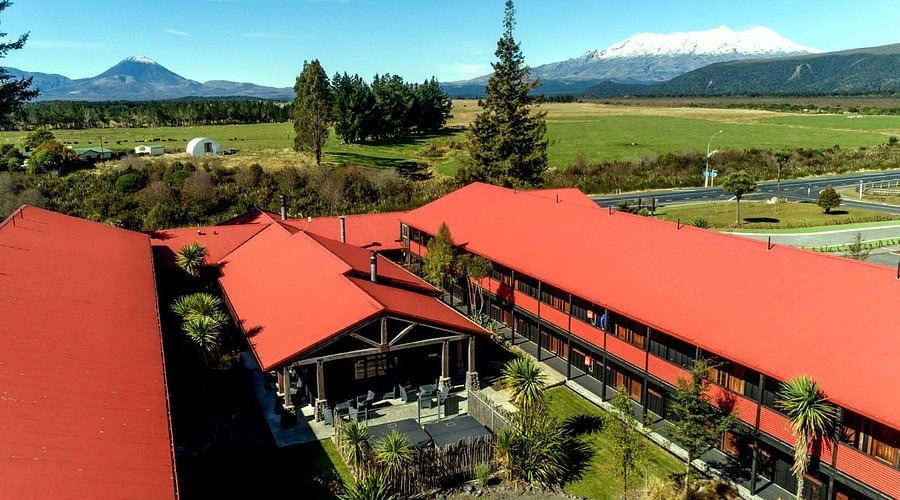
The park has public facilities, parking, hotels, restaurants, and more. Some trails and accommodations are accessible for people with reduced mobility, though terrain can sometimes be challenging.
Accommodation in Tongariro National Park
Want to discover this destination?
Our local advisors design your tailor-made trip.