Motueka Town
Motueka Town
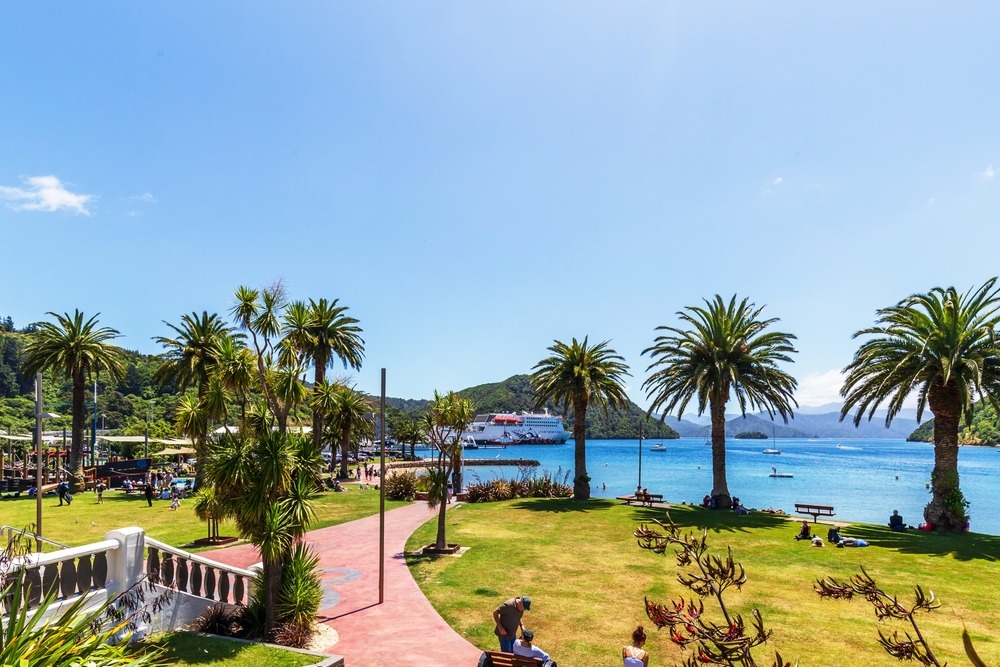
Nestled between Tasman Bay and mountains, Motueka is the ideal base for exploring Abel Tasman, Golden Bay, and the rich Māori heritage of the northern South Island.
Motueka is a charming small town that captivates with its relaxed atmosphere, breathtaking landscapes, and rich cultural heritage. Whether you're an adventurer seeking thrills or a traveler eager to discover the wealth of Māori culture, the town of Motueka will seduce you with its authenticity and pristine environment.
Where is Motueka Located in New Zealand?
Motueka is a town situated in the Tasman region, in the north of the South Island of Nouvelle-Zélande, nestled in a small plain known as the Motueka Plain. It sits at the immediate mouth of the Motueka River, which flows into Tasman Bay on the west coast. This geographical position bestows a varied landscape where, to the west, the land rises rapidly toward the Arthur Range and Pikiruna Range mountain chains, while to the south, the plain is interrupted by the gentle hills of the Moutere Hills.
Motueka is traversed by the Nelson–Collingwood Road and benefits from a central position between several important towns in the region. It is located approximately 55 km northwest of Nelson, 42 km from Richmond, and 56 km southeast of Takaka.
What is the History of Motueka in the Tasman Region?
The name Motueka, derived from the Māori language, has its roots in "Motuweka," literally meaning "the island of weka," the weka being a bird endemic to Nouvelle-Zélande. According to other interpretations, the word also evokes an "isolated forest where the weka lives." This name reflects the ancestral origin of the place, linked to the myths of Hawaiki, the cradle of the Māori people. Today, the town is affectionately nicknamed "Mot" by its residents.
Long before the arrival of Europeans, the region was already inhabited by Māori iwi, who established deep connections with the land. This bond remains alive today through Te Awhina marae, an important cultural center whose meeting house (wharenui) pays homage to Hui Te Rangiora, a legendary Māori navigator who is said to have reached the fringes of Antarctica. Māori traditions, language, and arts are celebrated at numerous local events, strengthening Motueka's cultural identity.
Motueka's European history begins in 1827, when French navigator Jules Dumont d'Urville explores the coast aboard the corvette Astrolabe. In 1841, the first settlers from the New Zealand Company arrive in the region and initially settle in Kaiteriteri, before favoring Nelson. However, by 1842, Motueka is chosen as the second colonization site thanks to the richness of its soils, ideal for small agricultural holdings.
The town's growth is rapid: shops, churches, doctors, and public services appear as early as the 1850s. It is incorporated into the Nelson Province between 1853 and 1876, before becoming a borough in 1900. Historical landmarks mark its development: the inauguration of the post office in 1902, the construction of a memorial for soldiers who fell during both world wars, and the community influence of the Plymouth Brethren, whose patriarch James George Deck rests in the local cemetery.
Local Life and Community
Motueka distinguishes itself through its balance between rural character and cultural dynamism. The community, recognized for its friendliness and environmental commitment, actively supports organic farming, fair trade, and nature conservation. Two Māori tribes, Ngati Rarua and Te Atiawa, are the indigenous peoples of the region. Their presence remains deeply rooted, particularly through Te Awhina, the local spiritual and cultural center.
Today, Motueka is an essential service hub for neighboring rural areas. Research stations in Riwaka and Umukuri continue to support local agricultural production. Motueka is also known for its agricultural dynamism. In the 1960s, it became Nouvelle-Zélande's primary tobacco-producing region, an industry that declined in the 1980s in favor of other crops such as apples, kiwi, hops, and various other fruits.
Each summer, activity intensifies with the arrival of seasonal workers for harvest, particularly in the orchards. On the industrial front, the town is home to varied infrastructure: fruit processing, mechanics, carpentry, textiles, and building materials.
Today, horticulture remains a pillar of the local economy, alongside fishing, notably thanks to Talley's, one of the region's largest employers, whose facilities (fish processing and shipbuilding) are located at Motueka port.
Attractions and Activities
Religious and Historical Monuments
Motueka is home to several emblematic places of worship bearing witness to its spiritual past. St Thomas Anglican Church, built in 1911 at 101 High Street, and St Andrew's Church at 64 High Street, have both been listed as historic sites since 1982. The former Catholic church, erected in Takaka marble in 1917 at 31 High Street, was replaced in 1985.
Museum and Cinema
Located in a former secondary school, Motueka Museum traces local history through vibrant exhibits. The municipal library, renovated and expanded in 2022, offers a modern and welcoming space for reading and learning.
The Gecko Theatre, a small independent cinema created in the 2000s, offers a unique atmosphere: comfortable sofas, blankets, and international films for an experience as warm as it is intimate.
Sport, Relaxation, and Leisure for All
The shoreline features a historic salt-water swimming pool, established in 1926 and renovated several times. Much frequented in summer, it becomes a cherished spot for contemplation in winter. Nearby, Motueka Recreation Centre offers a gymnasium, theater, climbing wall, and much more.
Golf enthusiasts can try their hand at Motueka Golf Club, voted the country's best club in 2018. Anglers will find their fortune in the Motueka River, renowned for its brown trout, and bordered by lush vegetation and lodges.
Adventure and Nature
Motueka is the ideal departure point for exploring three national parks: Abel Tasman National Park, Kahurangi, and Nelson Lakes. Whether by kayak, on foot, by bike, or canyoning, the region offers spectacular views of golden beaches, native forests, and crystal-clear rivers.
For an adrenaline rush, Skydive Abel Tasman offers skydiving jumps with breathtaking views over the two main islands and surrounding parks. Those who prefer to keep their feet on the ground can admire the wreck of the Janie Seddon, a unique military relic in Nouvelle-Zélande, or hike to the Riuwaka Springs, a sacred site for the iwi Te Atiawa and Ngati Rarua.
Markets and Local Shops
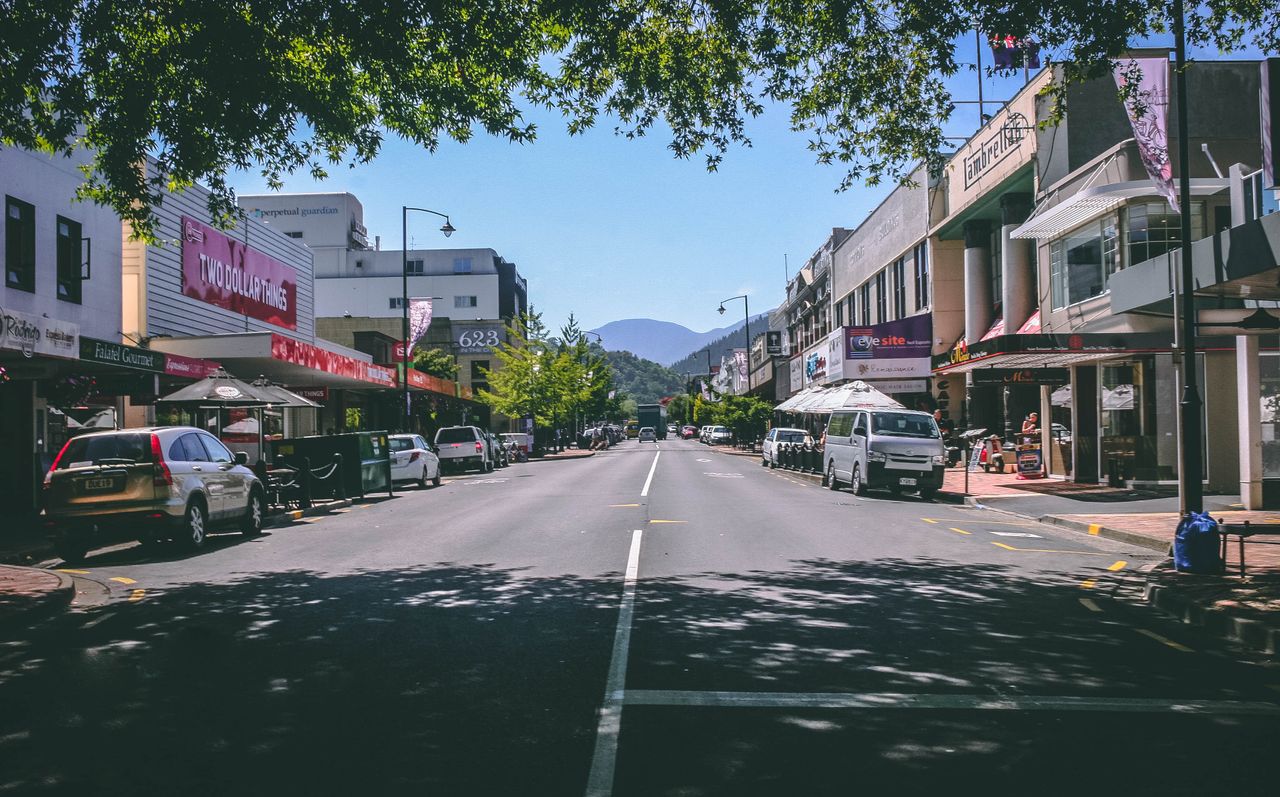
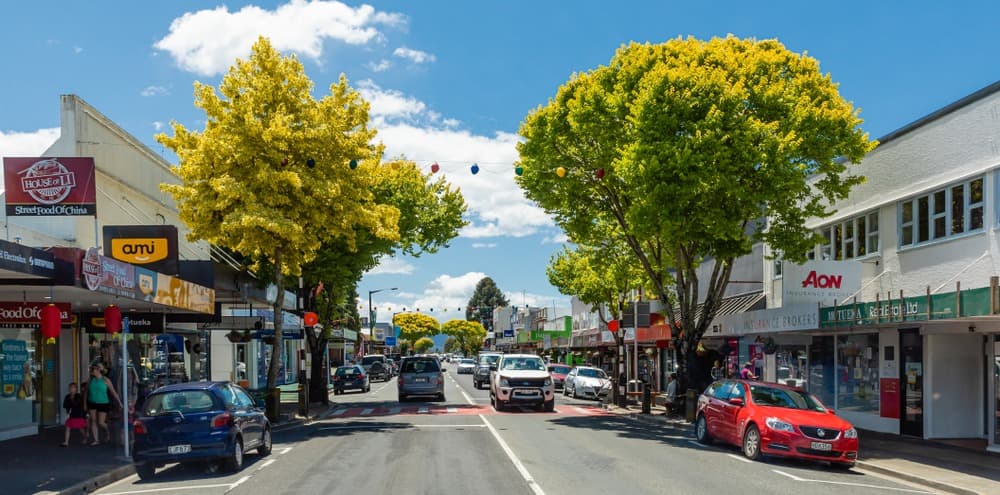
The Sunday market in the Decks Reserve parking lot is an unmissable rendezvous for nearly 30 years. This market blends farm products, artisanal creations, bric-a-brac, and local cuisine in a relaxed musical atmosphere. The downtown area is brimming with original boutiques, cafés, food trucks, and restaurants celebrating local products, often organic and homemade.
FAQ
Is Motueka Worth Visiting?
Yes, Motueka is truly worth visiting: this charming town seduces with its direct access to Abel Tasman National Park, its rich Māori heritage, and its artistic atmosphere. It's an ideal starting point for exploring nature, enjoying local life, and discovering Motueka port.
To get to the town of Motueka, several options are available:
- By car: This is the most convenient way. From Nelson, take State Highway 60 heading northwest. The journey takes approximately 45 minutes (55 km) through rolling landscapes and the Moutere Hills.
- By plane: The nearest airport is in Nelson, with regular flights from major cities in Nouvelle-Zélande such as Wellington, Auckland, and Christchurch. From there, you can rent a car or take a shuttle to Motueka.
- By bus: Companies such as Intercity or Nelson Coachlines offer connections to Motueka from Nelson or other towns on the South Island, depending on the season.
Accommodation in Motueka Town
Want to discover this destination?
Our local advisors design your tailor-made trip.