Christchurch
Christchurch
New Zealand's second-largest city and gateway to the South Island, Christchurch captivates with its parks, post-earthquake renaissance and excursions to Akaroa, Kaikoura and the TranzAlpine.
Located on the South Island of Nouvelle-Zélande, Christchurch is the country's second-largest city and arguably one of its most remarkable. Long nicknamed the "Garden City" for its parks and green spaces, it is also known for its resilience. Following the earthquakes of 2010 and 2011, Christchurch reinvented itself with contemporary architecture, reimagined public spaces, artistic projects, and more. Today, the city blends heritage, innovation and a gentle way of life.
Where is Christchurch located?
Christchurch is the largest city on the South Island. It sits on the east coast, north of the Banks Peninsula. Nestled between the Christchurch plains and the Pacific Ocean, the city extends near the southern tip of Pegasus Bay. Its territory is bounded to the east by the mouths of the Avon and Heathcote rivers, which help shape its natural landscape.
History
The origin of Christchurch's name
Christchurch, known as Ōtautahi in Māori, takes its name from the Canterbury Association, which founded the colony in the 1840s. The name was officially decided on March 27, 1848, on the proposal of J. R. Godley, a former student of Christ Church College at Oxford. The Māori name Ōtautahi is in turn a shortening of Te Whenua o Potiki-Tautahi, in tribute to Chief Tautahi, once established near what is now Barbadoes Street bridge.
Early inhabitants and Māori presence
The region was probably inhabited as early as the year 1000, first by tribes of moa hunters. These peoples, including the Hāwea, Rapuwai and Waitaha, cleared forests for hunting, but the moas disappeared entirely by around 1450. In the 16th century, the Waitaha were replaced by the Kāti Māmoe, then by the Ngāi Tahu, the region's dominant tribe until the arrival of Europeans.
European colonisation and the city's foundation
In 1840, the first European pioneers, including Herriot and McGillivray, settled in the region, soon joined by the Deans brothers in 1843. On December 16, 1850, four ships of the Canterbury Association (the Randolph, the Charlotte-Jane, the Sir George Seymour and the Cressy) landed 792 British colonists at the port of Lyttelton. Their ambition: to found a city inspired by Oxford, complete with a cathedral and a university.
Surveyor Captain Thomas then planned access to the interior via a route called the Bridle Path, a steep trail connecting the port to the Heathcote valley. Too narrow for goods, maritime transport was established to Ferrymead, where the first public railway line in Nouvelle-Zélande was opened in 1863. A tunnel through the Port Hills later allowed Christchurch to be connected to Lyttelton from 1867 onwards.
Development and city status
On July 31, 1856, Christchurch officially became Nouvelle-Zélande's first city by royal decree. It also became the administrative centre of the Christchurch province. Several major Gothic buildings, designed by architect Benjamin Mountfort, were built around this time.
20th-century earthquakes
After a relatively calm history, Christchurch was suddenly marked by a series of earthquakes from 2010 onwards:
- September 4, 2010: magnitude 7 earthquake, with no deaths or major damage.
- February 22, 2011: new magnitude 6.3 earthquake, killing 185 people and causing significant damage, particularly in the city centre.
- June 13, 2011: another magnitude 6 tremor, exacerbating the destruction.
- February 14, 2016: the last significant earthquake (magnitude 5.8), with no deaths.
Since then, Christchurch has been undergoing full reconstruction. Hundreds of buildings have been demolished or renovated, particularly in the historic neighbourhoods of Sumner and Redcliffs. The process seems slow but ambitious.
What to see and do in Christchurch?
Discover the town centre
Since the earthquakes of 2010 and 2011, the heart of Christchurch has transformed into a genuine urban laboratory. Around Cathedral Square, dominated by the partially destroyed Christchurch Cathedral, the Central Business District is being reinvented through creative energy, food markets and rich cultural heritage.
Among the emblematic sites to discover:
- Christchurch Cathedral, which has become a symbol of resilience.
- The Cardboard Cathedral, a surprising church made of cardboard and wood built after the earthquakes.
- New Regent Street, a colourful Art Deco pedestrian street, perfect for a café or shopping spree.
- Street art, omnipresent, with gigantic artistic murals telling the story of Christchurch's renaissance.
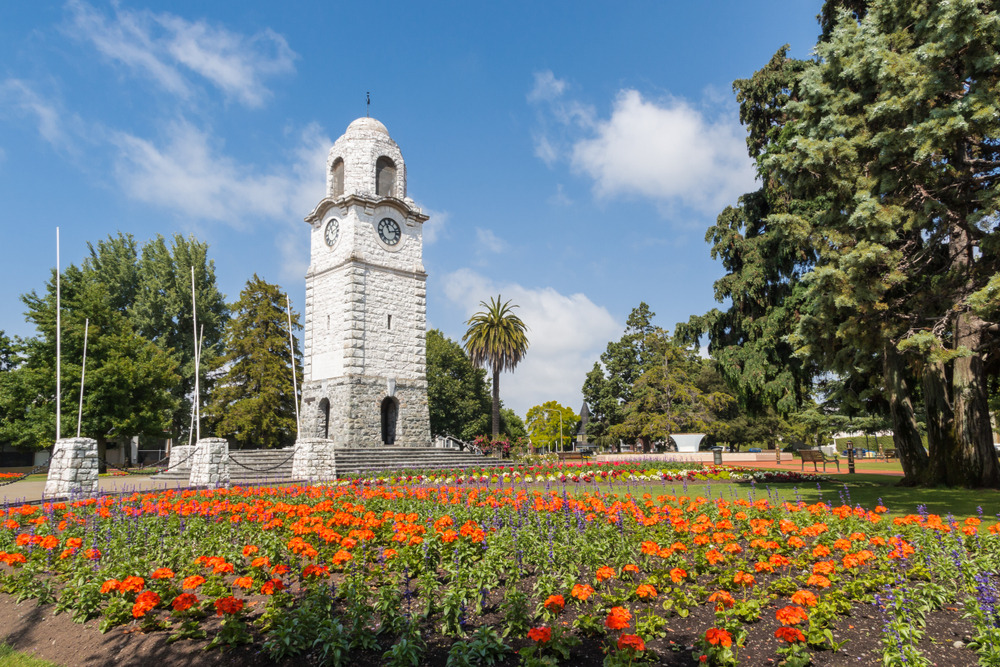
- The Bridge of Remembrance, an iconic memorial dedicated to Nouvelle-Zélande soldiers.
The central neighbourhoods, bounded by Bealey, Fitzgerald, Moorhouse and Rolleston avenues, also host vibrant residential areas such as Avon Loop, Inner City West, Moa and Victoria.
Gardens, parks and botanical gardens in the city
Nicknamed the Garden City, Christchurch is one of Nouvelle-Zélande's greenest cities. Its parks are ideal for relaxing, walking or cycling:
- Hagley Park: vast green space in the heart of the city.
- Botanical Garden: 30 hectares of themed gardens, arboretums and greenhouses.
- Avon River: stroll along the river or let yourself drift in flat-bottomed boats.
- Margaret Mahy Playground: one of Nouvelle-Zélande's largest children's playgrounds.
Museums, galleries and culture
Christchurch offers a dynamic cultural offering, including museums, art galleries and exhibition spaces:
- Canterbury Museum: regional history, Māori culture and Antarctic expeditions.
- Quake City: interactive museum about earthquakes, both educational and moving.
- Christchurch Art Gallery Te Puna o Waiwhetū: Nouvelle-Zélande and international works in a contemporary building.
- Centre of Contemporary Art (CoCA): contemporary art in a raw, industrial setting.
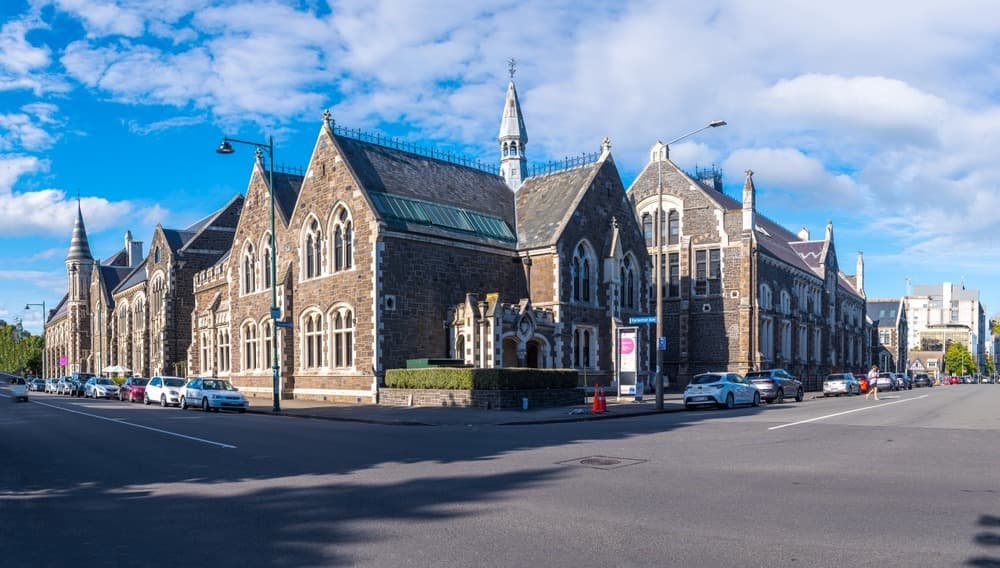
- The Arts Centre: former university buildings converted into an artistic and craft centre.
- Air Force Museum of New Zealand: numerous aircraft on display, with flight simulator (15 km from the centre).
- Court Theatre: one of the country's most acclaimed theatres.
Each January, the World Buskers Festival brings street artists from around the world to the streets of Christchurch.
Nature, wildlife and walks around the city
Within a few kilometres of the city centre, numerous natural spaces await hiking, mountain biking and wildlife enthusiasts:
- Willowbank Wildlife Reserve: sanctuary where you can discover Nouvelle-Zélande wildlife and Māori culture, including a kiwi experience.
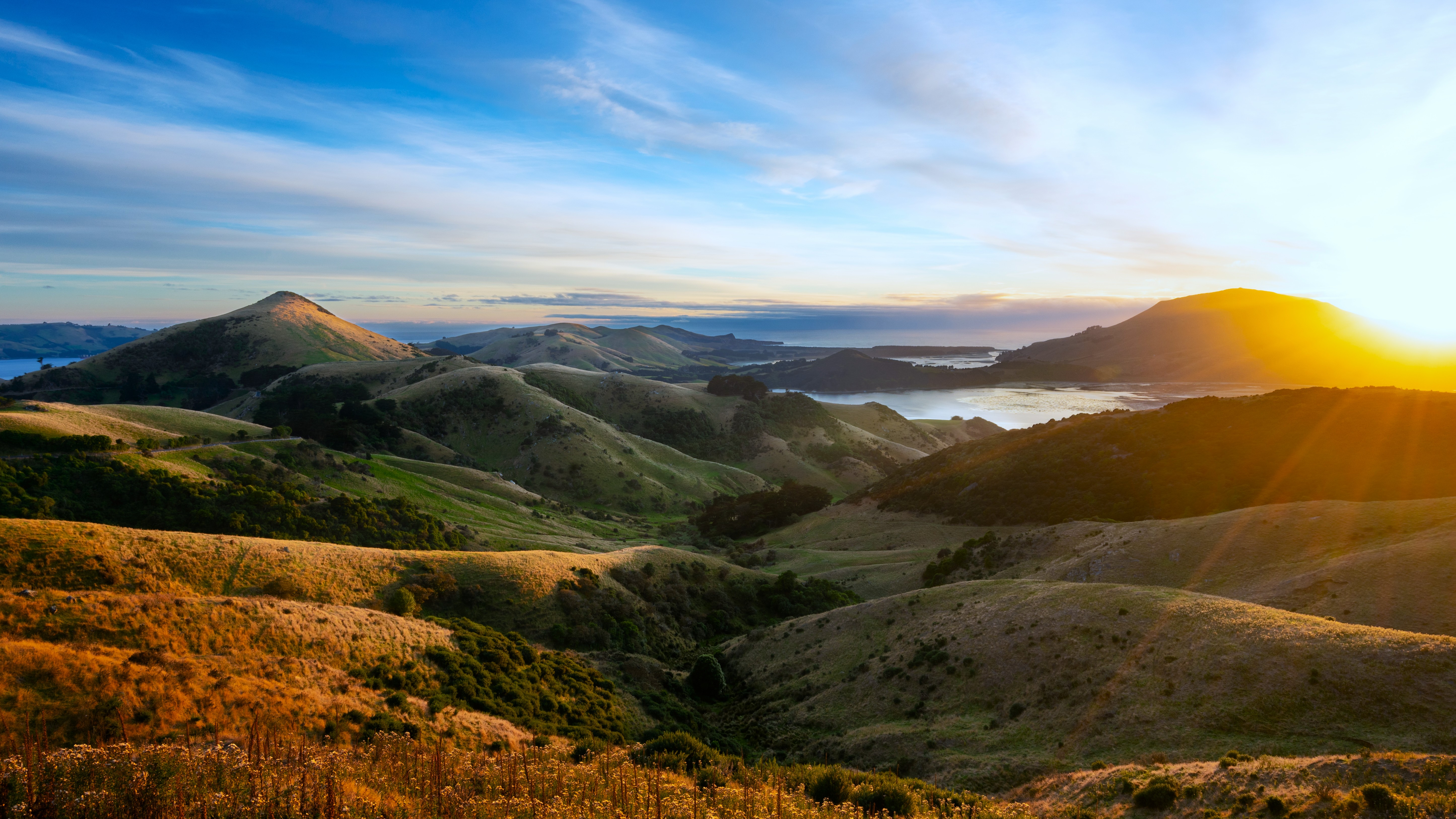
- Godley Head Coastal Walk: coastal path offering spectacular views of the Pacific Ocean and the Banks Peninsula.
- Bottle Lake Forest and McLeans Forest: trails through pine forests, perfect for cycling or family walks.
- Travis Wetland and Styx Mill Conservation Reserve: protected wetlands, ideal for birdwatching.
- Orana Wildlife Park: semi-wild zoo with local and exotic species.
- Ferrymead Heritage Park: reconstructed 19th-century village museum.
- Christchurch Gondola: must-visit tourist attraction to gain altitude and admire the city and its surroundings from the top of Mount Cavendish.
Christchurch is well served by various modes of transport. An international airport handles domestic and international flights. The Metro bus network, managed by the Canterbury Regional Council, covers the entire city of Christchurch. Several free lines operate in the city centre.
An old tram, restored to service in 1995, runs through the central business district on a closed circuit. Introduced in 1905 and stopped in 1954, it is now a tourist attraction. The TranzAlpine, Nouvelle-Zélande's iconic train, crosses the Port Hills, passes through the Otira tunnel, and reaches Greymouth on the West Coast via a spectacular route.
Trains also connect Christchurch to Picton to the north and Invercargill via Dunedin to the south. Moreover, the car is the most used means of transport, but the city, being very flat, is developing numerous cycle paths. Taxis are also available. Finally, the city centre can be easily explored on foot in a matter of minutes.
When to visit Christchurch on South Island of Nouvelle-Zélande?
Christchurch enjoys an oceanic climate with:
- Sunny summers (December to February), between 20 and 25 °C, sometimes over 30 °C, tempered by a north-east wind from the Pacific Ocean
- Cold winters (June to August), between 0 and 11 °C, with an average of 50 frost days per year, and occasional snowfall on the hills
- Mild and colourful autumns (March to May)
- Springs (September to November) marked by the flowering of parks and pleasant weather.
The best time to visit Christchurch is between December and March, when the sun is at its best and parks, cafés-restaurants and tourist attractions are fully accessible.
Attractions in Christchurch
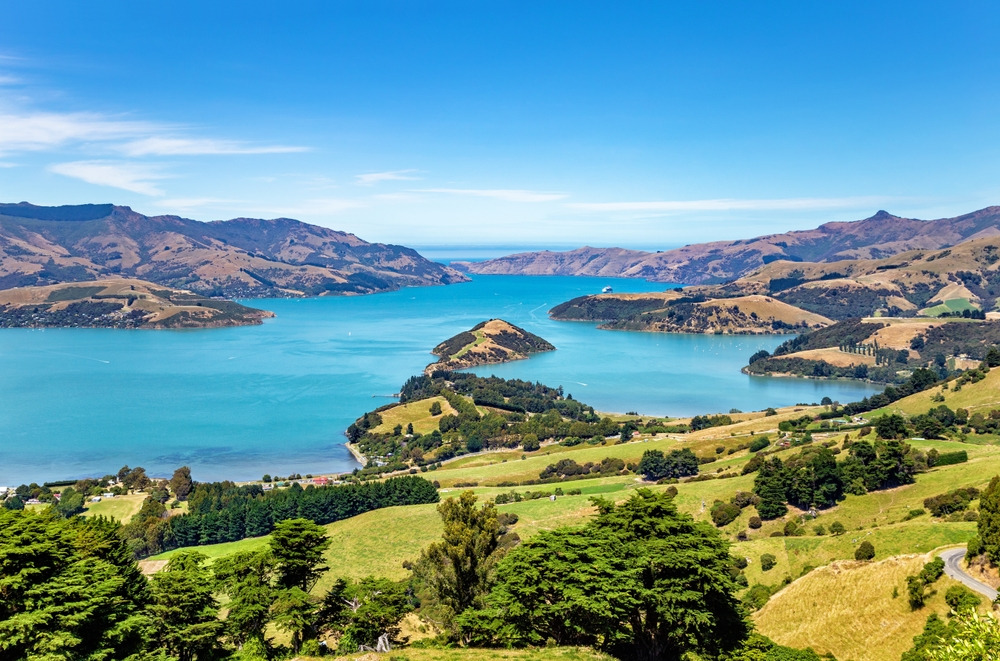
Péninsule de Banks
À 1h30 de Christchurch, la péninsule de Banks réunit caldeiras volcaniques, port franco-néo-zélandais d'Akaroa, dauphins d'Hector et randonnées côtières.
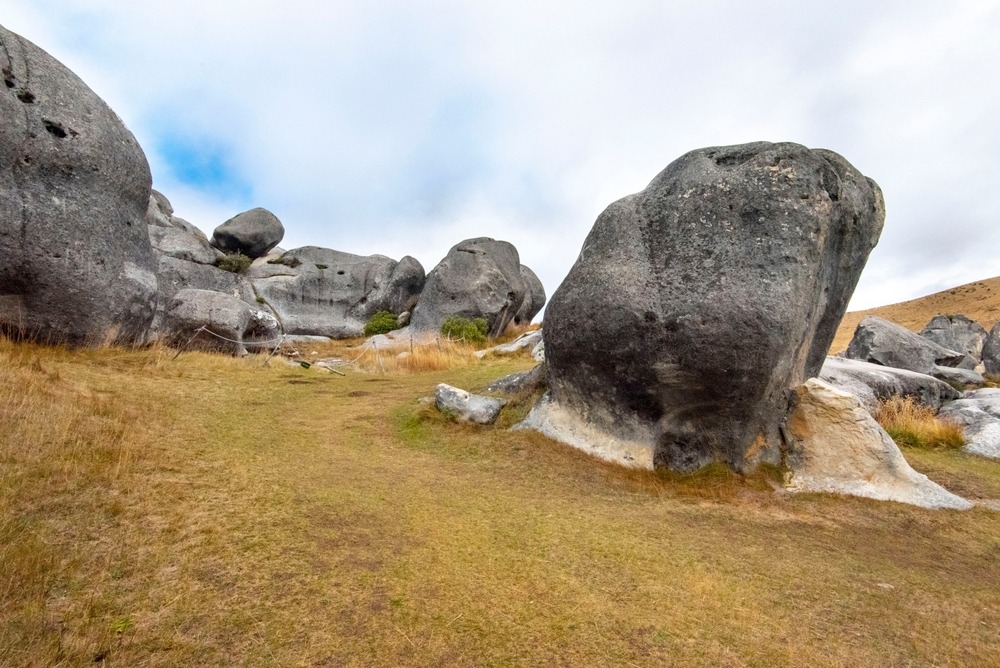
Kura Tawhiti (Castle Hill)
Blocs calcaires sculptés par l'érosion, site Tōpuni des Ngāi Tahu et spot de bouldering reconnu : Kura Tawhiti se visite librement à 1h15 de Christchurch.
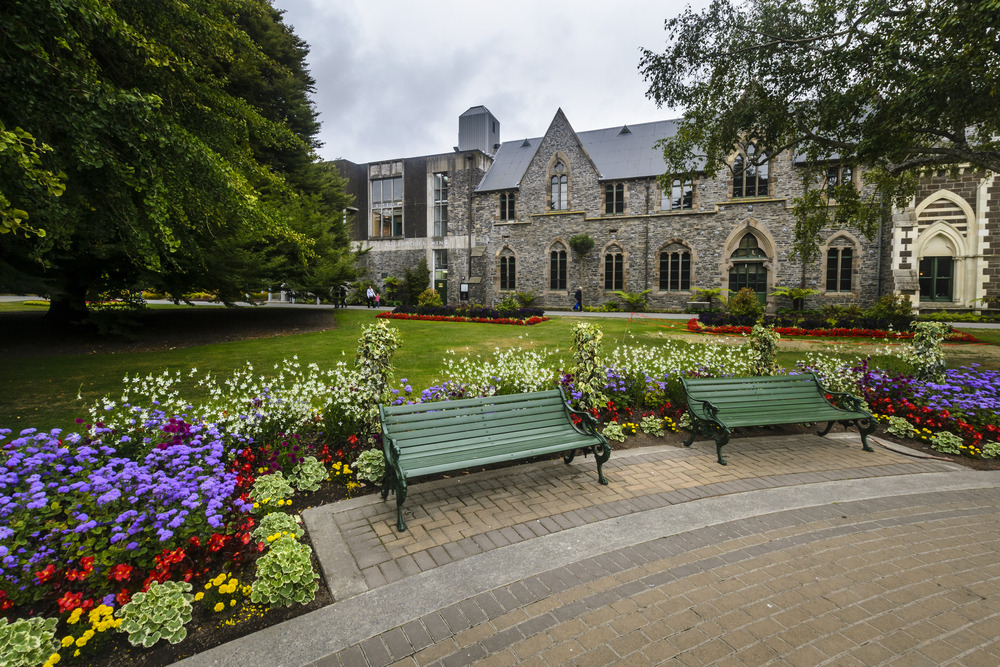
Canterbury Museum
Fondé en 1867 à Christchurch, le Canterbury Museum conserve 2,3 millions d'objets. En rénovation jusqu'en 2028, il propose un musée pop-up gratuit au CoCA.
Accommodation in Christchurch
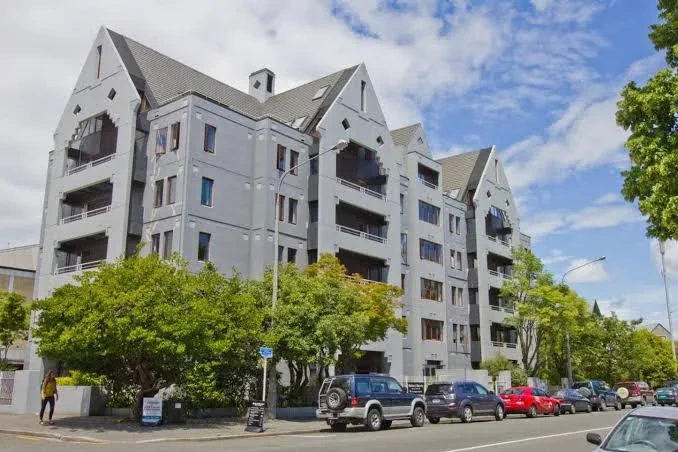
Hôtel Give
Hôtel central à Christchurch, près des Jardins Botaniques, géré comme une entreprise sociale qui reverse 100 % de ses bénéfices à la Kind Foundation.
Scenic Hotel Cotswold
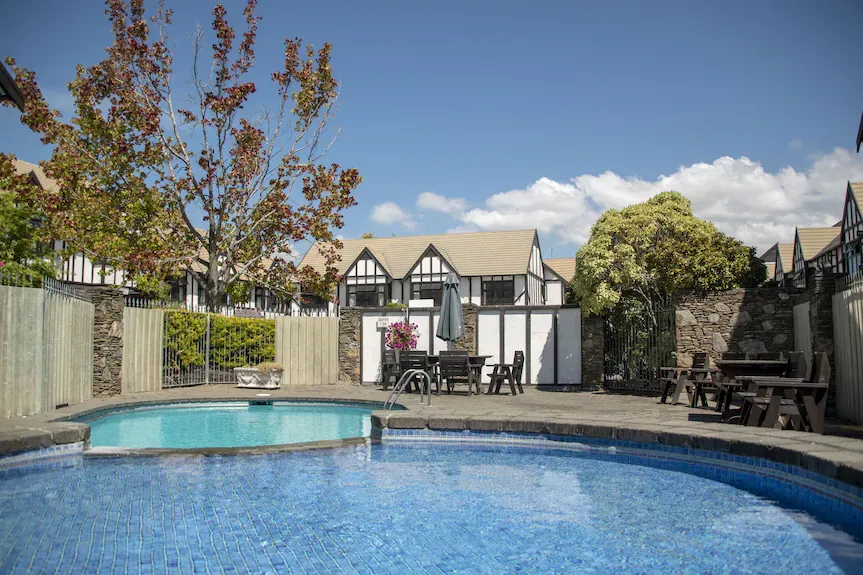
Hôtel à l'architecture Tudor sur Papanui Road, dans le quartier de Merivale à Christchurch, avec restaurant valorisant les produits du Canterbury.
Want to discover this destination?
Our local advisors design your tailor-made trip.