Auckland
Auckland
Nestled between two harbors, 50 dormant volcanoes, and a unique Pacific culture, Auckland is the perfect gateway to discover Nouvelle-Zélande.
Cradled between two immense harbors and dotted with dormant volcanoes, Auckland, or Tamaki Makaurau in Māori, reveals itself as a vibrant metropolis where modernity and nature coexist in perfect harmony. With its daring skyscrapers, urban beaches, lush parks, and cultural effervescence, this city embodies both the dynamism of a major economic hub and the relaxed spirit of island living. Whether you're an outdoor enthusiast, a culinary curious mind, or seeking cultural encounters, Auckland promises a complete immersion into the Nouvelle-Zélande spirit.
Where is Auckland Located?
Auckland, Nouvelle-Zélande's largest city and the heart of its port activity, sprawls across the central-north of the North Island, on a narrow isthmus connecting the Northland Peninsula to the rest of the country. Bordered by Auckland Harbour, opening onto the Hauraki Gulf to the east, and Manukau Harbour to the southwest, it enjoys a strategic position between the Tasman Sea and the Pacific Ocean. This remarkable natural setting, combined with a mild oceanic climate characteristic of the northern island, gives it undeniable appeal. Built on an active volcanic field with over 50 cones, Auckland offers a landscape both spectacular and unique, regularly shaped by ancient eruptions.
History
Auckland's history begins long before European arrival, with the first Māori settlements around 1350. Attracted by the fertility of volcanic soils, several iwi (tribes) established themselves in the region, making this territory one of the country's most densely populated before the 19th century, with an estimated Māori population of around 20,000 people.
In 1840, shortly after the signing of the Treaty of Waitangi, Auckland was founded by Governor William Hobson to become the capital of the colonial nation. It was named in honor of George Eden, an influential early British settler. However, its capital status was contested due to its location, deemed impractical for overseeing colonization of the South Island. In 1865, just 25 years after its designation, Wellington took over. In the meantime, Auckland became a borough in 1851, then a city in 1871. Its province, created in 1853 with nearly 10,000 European colonists, was abolished in 1876, but the city remained a major administrative, military, and commercial center.
From the late 19th century onward, Auckland experienced rapid growth. The development of its infrastructure, notably roads and the iconic Auckland Harbour Bridge, accompanied demographic expansion. This urbanization took the form predominantly of Auckland's suburbs composed of single-family homes, an architectural style now rare elsewhere. In 2010, a reform created the Auckland region, reunifying much of the island under a single metropolitan authority.
A Multicultural City
Auckland is Nouvelle-Zélande's most populated city, bringing together over 1.6 million inhabitants (as of 2021), roughly a quarter of the country's population. It is also the largest urban area in the territory and one of Nouvelle-Zélande's most multicultural cities. It hosts a mosaic of communities, making it a unique cultural and human crossroads, where life reflects Nouvelle-Zélande's diversity.
Between Nature and Modernity
In Auckland, nature is never far away, and that's precisely what makes this city so exceptional. Here, you enjoy the best of both worlds: a modern city center, surrounded by spectacular nature. Its countless harbors and residents' attachment to sailing earn it the nickname "City of Sails."
To the west, the Waitakere Ranges offer over 250 km of trails. To the southeast, the Hunua Ranges shelter the region's largest native forest. Altogether, 26 regional parks dot the territory, such as Duder, Shakespear, Tapapakanga, Awhitu, and more.
On the sea side, the city is bordered by numerous beaches including:
- Piha and Karekare beaches for surfers
- Mission Bay, St Heliers, and Long Bay for urban relaxation
A ferry ride away lies Waiheke Island or Great Barrier, a natural sanctuary for stargazing.
Auckland city, Nouvelle-Zélande's main entry point, is very well served by various modes of transport:
By Air
Auckland's international airport is located approximately 22 km from the city center. Several options are available for travelers to reach the center:
- The SkyBus, rapid and accessible 24/7, connects the airport to Queen Street in approximately 45 minutes
- Taxis or shuttles are also available
- Budget-conscious travelers can combine local bus and train via Papatoetoe station, while those wanting more autonomy can rent a car upon arrival.
By Long-Distance Bus
Sky City terminal is the main departure and arrival point for intercity buses. Companies like InterCity operate connections to major Nouvelle-Zélande cities.
By Train
The Northern Explorer is the emblematic railway line connecting Wellington to Auckland. This 12-hour scenic journey crosses mountains, valleys, volcanoes, and verdant plains. It's more of a tourist experience than a simple mode of transport.
By Road
Auckland is easily accessible by car via main highways:
- From Wellington: approximately 8 hours via State Highway 1
- From Rotorua: approximately 2h45
- From Hamilton: approximately 1h30
By Boat or Cruise
Auckland welcomes over a hundred international cruises annually. Shed 10 terminal, located just steps from the city center and Britomart district, is modern and perfectly integrated into the urban transport network.
Cars still dominate life in Auckland, but the development of the City Rail Link, a future urban metro, is transforming mobility. The bus, train, and ferry network, via the AT HOP card, covers Auckland well. The CityLink connects the city center, the Tamaki Link serves the bay coast.
Scooters and bikes also allow you to reach sites like Devonport, Werkhaven, or Waiheke.
Moreover, while renting a car remains often practical, especially for getting out of the city, dense traffic during peak hours and difficult parking can be constraining.
Finally, taxis and services like Uber are widely available throughout the city.
What to Visit and Do in Auckland?
Auckland seduces with its dynamism, cultural richness, and landscape diversity. Between volcanic nature, fascinating museums, urban experiences, and island escapes, the city has no shortage of attractions and activities for all tastes:
Admire Auckland from the Sky Tower
Impossible to miss the Sky Tower, standing 328 meters tall, which offers an unobstructed 360° view of the city, Hauraki Gulf, and beyond. For thrill-seekers, try the SkyWalk or SkyJump from the outdoor platform 192 meters above ground.
Dive into Nouvelle-Zélande's History and Culture
The Auckland War Memorial Museum, located in the heart of Auckland Domain park, traces the country's history from indigenous peoples through world wars. It's also a key place to understand Māori and Polynesian traditions. Nearby, the Auckland Art Gallery Toi o Tamaki, the country's largest art gallery, exhibits over 17,000 works, blending contemporary local and international art.
Explore the City's Volcanoes
Auckland rests on a unique volcanic field. Among the cones worth visiting:
- Mount Eden, with its spectacular crater and panoramic views
- One Tree Hill, rich in Māori history
- Mount Victoria, accessible from Devonport, offering views of the harbor and city.
Discover Vibrant Neighborhoods
Viaduct Harbour, a former industrial port transformed into a modern marina, is the perfect place for a drink with a view of sailboats. Ponsonby seduces with its arty atmosphere and trendy restaurants. Westhaven Marina also abounds with bars, sailboats, and galleries.
Enjoy Marine Pleasures
Whether by kayak at sunset, on a cruise to observe dolphins and whales, or through the tunnels of Kelly Tarlton's Sea Life Aquarium (penguins, sharks, turtles, ...), Auckland is a city turned toward the ocean.
Experience the City on Nature's Side
Outdoor lovers will be delighted by the wild beaches of the west like Piha or Muriwai, the waterfalls of the Waitakere Ranges, or walks through the vast Auckland Domain. In the evening, head to Great Barrier Island to observe the stars, one of the world's few designated starlight sanctuaries.
Other Attractions and Activities
Music lovers can attend an Auckland Philharmonia Orchestra concert, while students enjoy the academic excellence of the University of Auckland, located near Albert Park. Finally, it's possible to attend All Blacks rugby matches, a national source of pride, or events like the World Cup.
FAQ
Why is Auckland Known?
Auckland is known for being Nouvelle-Zélande's largest city. Moreover, it's a major economic center located on a field of dormant volcanoes, combining skyscrapers, beaches, varied culture, and spectacular landscapes.
Which Sea Borders Auckland?
Auckland is bordered by two seas: the Tasman Sea to the west and the Pacific Ocean to the east, via the Hauraki Gulf.
Attractions in Auckland
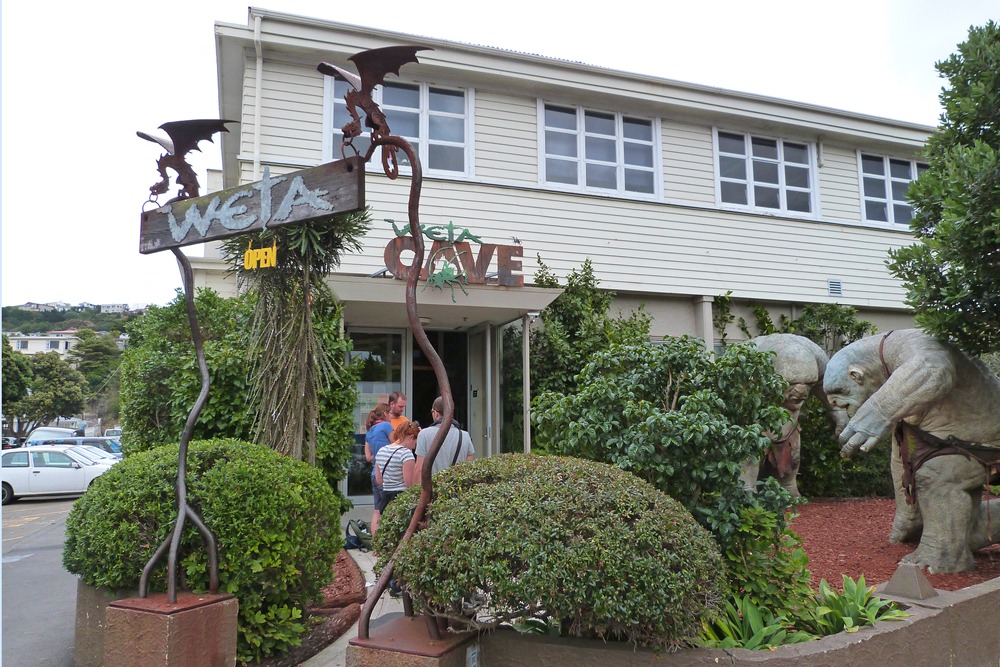
Weta Workshop Unleashed à Auckland
Au SkyCity d'Auckland, Weta Workshop Unleashed propose une visite guidée de 90 minutes dans les coulisses des effets spéciaux et de l'animatronique.
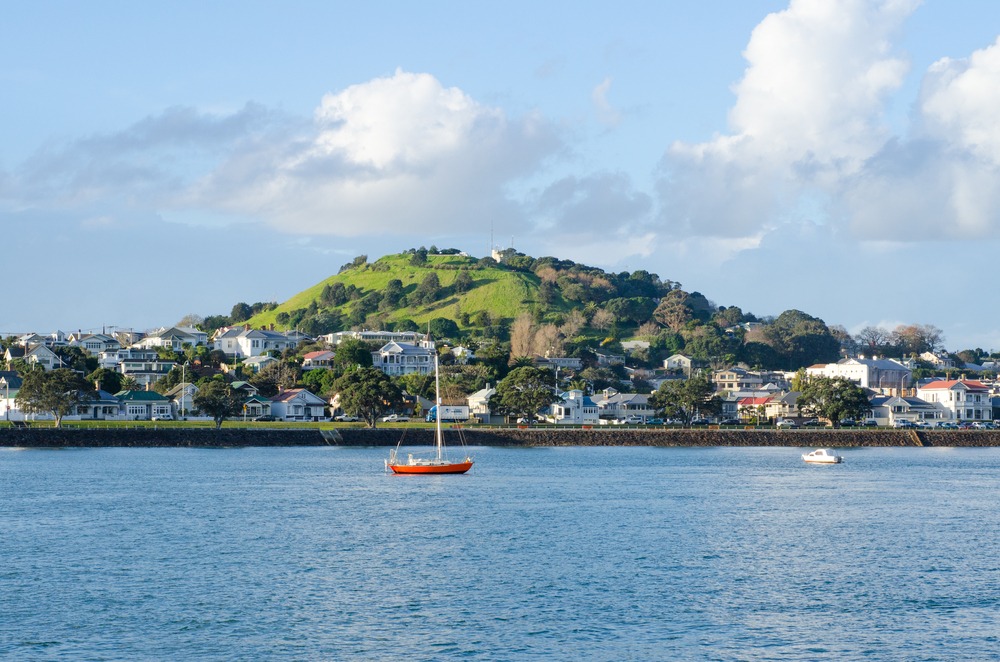
Mont Victoria à Auckland
Cône volcanique de Devonport, ancien pā maori et fortin militaire, le Mont Victoria (Takarunga) offre une vue à 360° sur Auckland et le golfe d'Hauraki.
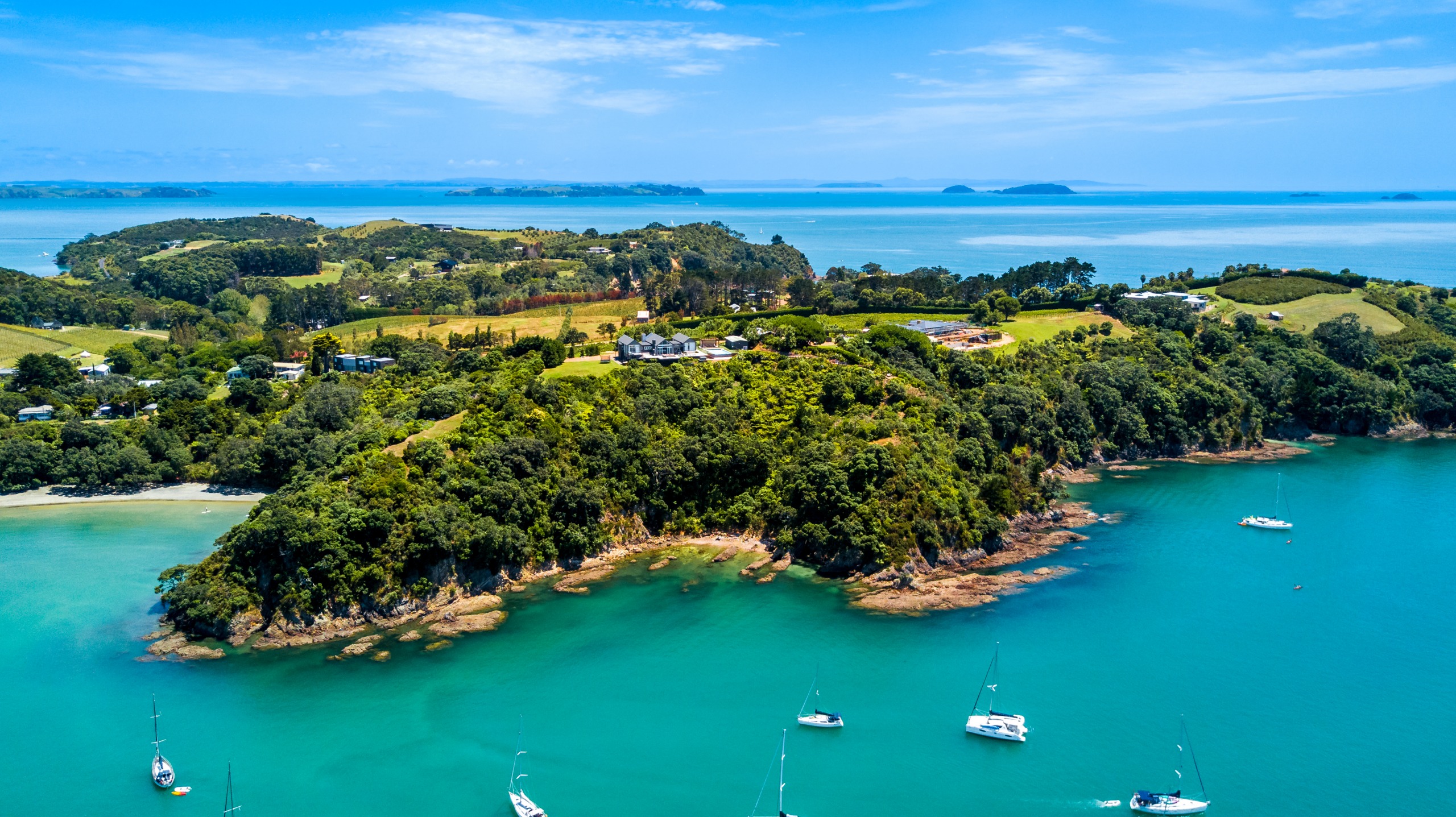
Île de Waiheke
À 40 minutes de ferry d'Auckland, Waiheke conjugue vignobles en terrasses, plages de sable blanc et sentiers côtiers sauvages. Une escapade incontournable dans le golfe de Hauraki.
Accommodation in Auckland
Want to discover this destination?
Our local advisors design your tailor-made trip.