Waiheke Island
Waiheke Island
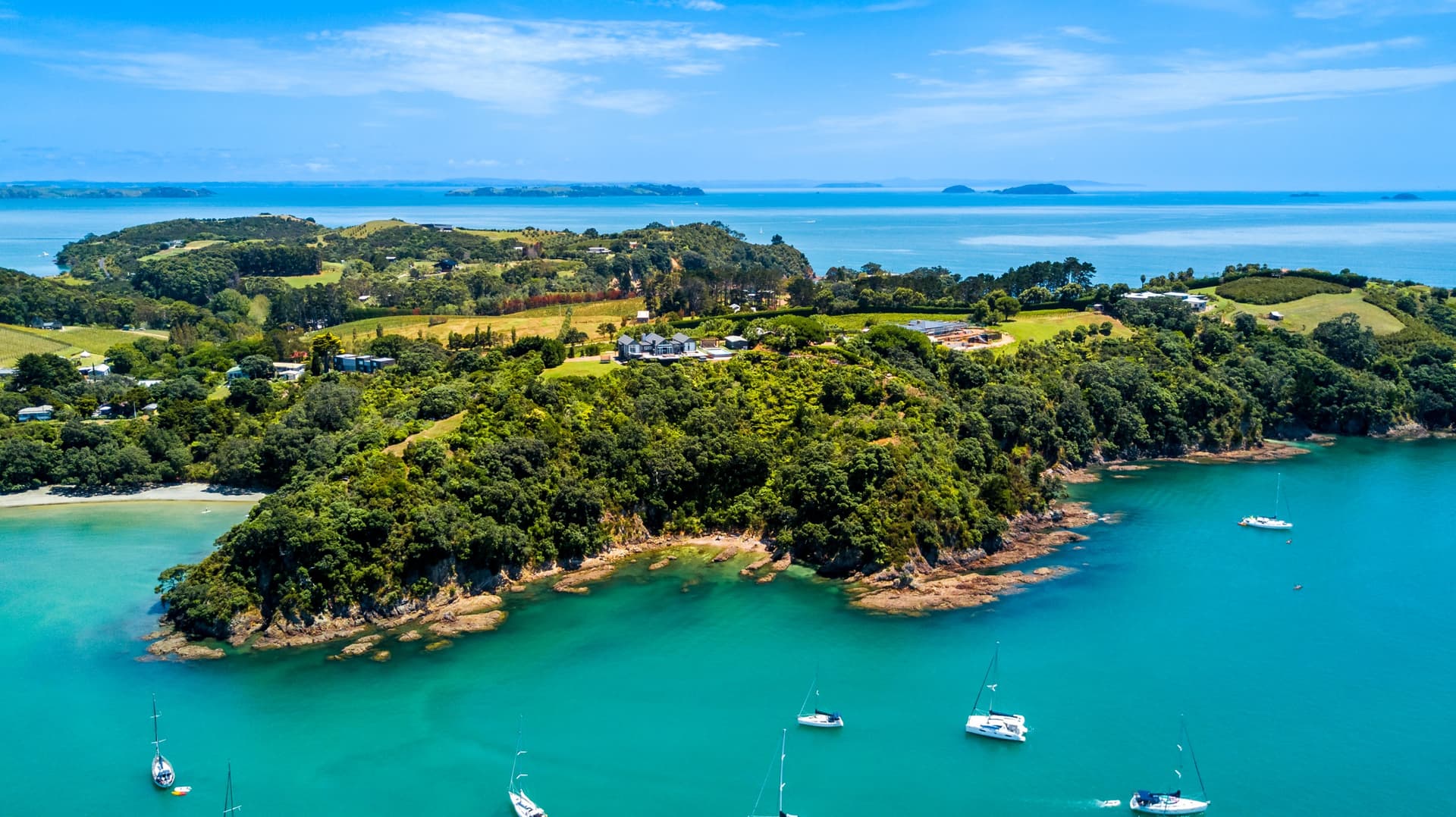
Forty minutes by ferry from Auckland, Waiheke blends terraced vineyards, white-sand beaches and wild coastal paths. An unmissable escape in the Hauraki Gulf.
Forty minutes by ferry from central Auckland, Waiheke is an island in the Hauraki Gulf covering approximately 92 square kilometres. Terraced vineyards, white-sand beaches, art galleries and olive groves dot its rolling landscape. The island appeals equally to Aucklanders seeking a weekend escape and international visitors drawn by its acclaimed wines and deliberately unhurried pace of life.
Practical Information at a Glance
- Access: Fullers360 ferry from Quay Street terminal (Auckland CBD) — crossing takes approximately 35–40 minutes.
- Recommended duration: a full day minimum; a weekend to explore vineyards and beaches properly.
- Transport on the island: local buses, bicycle, electric scooter or car rental available at Matiatia (arrival port).
- Dress code: no particular restrictions; bring comfortable walking shoes for trails.
- Accessibility: the ferry is wheelchair-accessible; some vineyards and coastal trails remain challenging for wheelchair users.
What to See
Waiheke encompasses three distinct landscapes. To the west, Oneroa and Palm Beach offer calm waters ideal for swimming. At the centre, vineyards—including Stonyridge, Mudbrick and Te Motu—cascade across hillsides with views over the gulf. To the east, trails through Te Ara Hura regional park trace clifftops and wilder bays.
History and Context
Māori have inhabited Waiheke for centuries; the name translates roughly to "flowing water" in te reo Māori. Europeans settled in the 19th century for farming and fishing. During the 1970s–1980s, the island attracted artists and counter-culture figures fleeing Auckland. Commercial viticulture began in the 1980s and transformed the local economy, establishing Waiheke as one of New Zealand's most recognized wine regions.
Highlights of Your Visit
Vineyards and Tastings
Waiheke produces primarily Bordeaux-style reds (cabernet sauvignon, merlot) and aromatic whites. Most estates offer paid tastings with panoramic views across the gulf. Booking ahead during peak season (December–February) is strongly recommended.
Oneroa Beach
The most accessible beach from Oneroa village, a short walk from the shopping centre. Fine sand, shallow waters and beachside cafés—it's the social heart of the island.
Te Ara Hura Coastal Trail
This walking circuit loops the island over approximately 100 kilometres. Most visitors tackle sections: the eastern stretches between Onetangi and Man O'War Bay reveal views of near-deserted coves.
Oneroa Village and Art Galleries
The main street hosts independent galleries, local craft shops and restaurants. The island nurtures an active artist community; several studios open their doors regularly.
Photography Tips
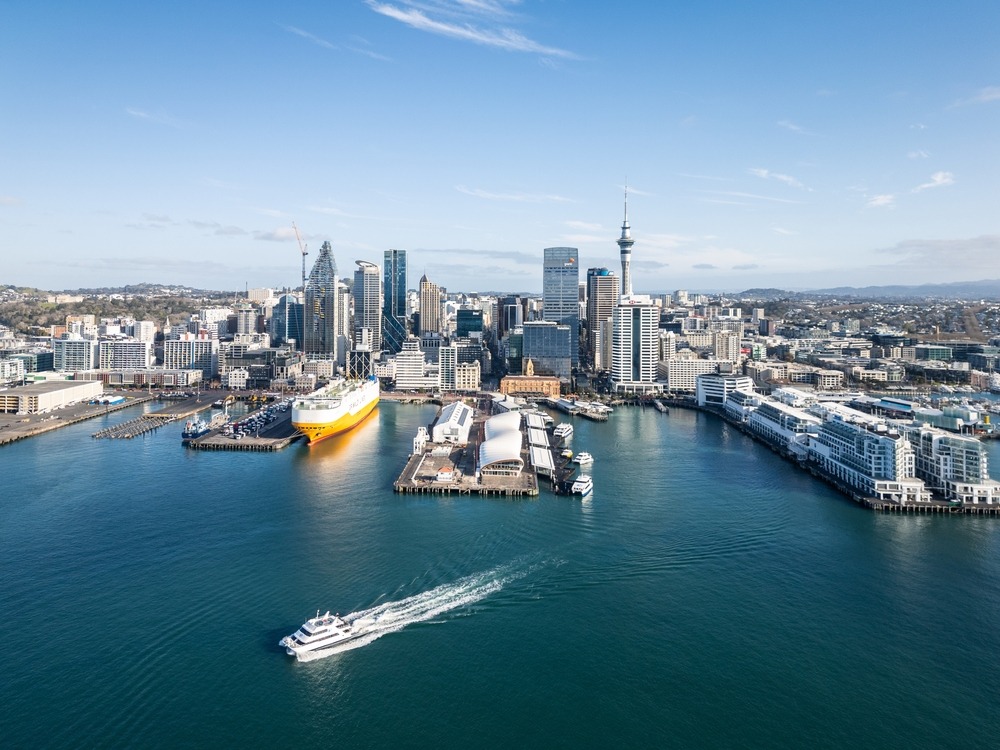
Golden late-afternoon light is ideal for photographing vineyards from terraces overlooking the gulf. Onetangi and Palm Beach photograph best early morning, before crowds arrive. From the return ferry, the panorama of Auckland and the Sky Tower at sunset deserves framing.
Location and Access
Waiheke sits in the Hauraki Gulf, approximately 19 kilometres east of Auckland CBD. The Fullers360 ferry departs from Quay Street terminal several times daily. Upon arrival at Matiatia port, local buses serve the main villages. Bicycle or electric scooter rental lets you explore at your own pace. Several local operators offer guided tours combining ferry, vineyards and lunch.
Nearby
- Sky Tower, Auckland — natural departure point before catching the ferry, offering 360° views across the gulf.
- Rangitoto Island — iconic volcano in the Hauraki Gulf, accessible by ferry from Auckland, ideal for hiking.
- Viaduct Harbour — waterfront dining and bar precinct in Auckland, steps from the ferry terminal.
Frequently asked questions
The southern summer (December to February) offers the finest weather for beaches and vineyard terraces. Spring (October–November) is quieter with verdant landscapes. Winter remains mild though some estates reduce hours.
During peak season and weekends, online booking is recommended to avoid waiting for the next sailing. Weekdays outside season generally see less crowded ferries.
Yes, a day allows for one or two wine tastings, a beach visit and Oneroa village. For coastal hikes and deeper exploration, plan two days.
Local buses connect Matiatia to main villages. Cycling suits coastal areas, though rolling terrain can be demanding. Electric scooters are a popular option for covering more ground.
Most estates charge for tastings, often refundable against wine purchases. Rates and formats vary by estate; check their website before visiting.
Yes, Waiheke has boutique hotels, vineyard lodges and holiday rentals. Book well ahead in summer, as availability is limited and demand high.
Interested in this visit?
We can include it in your personalised itinerary.