National Kiwi Hatchery
National Kiwi Hatchery
Conservation centre dedicated to the kiwi near Rotorua: behind-the-scenes tour of the Operation Nest Egg programme and bird observation in a nocturnal house.
The National Kiwi Hatchery, located at Ngongotahā near Rotorua, is a conservation centre dedicated to protecting the kiwi, New Zealand's iconic bird. This specialised hatchery incubates and raises dozens of chicks each year from partner reserves, before releasing them into the wild. The visit provides access to the scientific workings of a nationally recognised programme, and offers the chance to observe adult kiwis in a purpose-built nocturnal house.
Why visit the National Kiwi Hatchery
This facility is one of the country's leading kiwi hatcheries and the only one open to the public. Each year, the team incubates over 130 brown kiwi eggs from 15 partner reserves and forests. Since the programme's launch, over 2,600 chicks have been raised here and then released into their natural habitat.
Beyond the spectacle of observing chicks, the visit illuminates precise scientific work: monitoring wild populations, incubation protocols, veterinary care, nutrition research, and combating introduced predators (stoats, cats, dogs). Every penny from ticket sales is returned to the hatchery programme, making the visit directly fund conservation efforts.
History and mission
The centre joined the national Operation Nest Egg (O.N.E.) programme in 1995, launched in collaboration with the Tongariro Forest Sanctuary. In its current form, it was established in 2008 as the National Kiwi Recovery Trust, before becoming the National Kiwi Hatchery Aotearoa.
The programme responds to a concerning reality: the wild brown kiwi population is estimated at 68,000 individuals, with an annual loss of approximately 2% among unprotected specimens. Without intervention, the species could disappear from the wild within two generations.
The O.N.E. protocol rests on a rigorous chain of operations. Eggs laid in the wild are located through telemetric monitoring of males, who manage incubation. Teams from the Department of Conservation (DOC) and community groups extract eggs from burrows, wrap them in knitted wool blankets and socks, then transport them to Rotorua. Incubation then continues for approximately 78 days in specialised egg incubation systems.
After hatching, each chick receives a full health assessment and spends its first weeks in an incubator. Around three weeks of age, it is transferred to an outdoor enclosure mimicking forest environment. Once the chick reaches the critical weight for resisting stoats, the bird is released into a protected zone. Thanks to this method, survival rate rises from 5% in the wild to over 65%, and up to 98% in captivity. The Māori term taonga ("treasure") frequently comes up in carers' conversations: it sums up the kiwi's cultural status in New Zealand.
What to see on site
Two visit options are available:
- Standard guided tour: approximately one-hour tour covering the entire kiwi lifecycle, from reproduction to reintroduction. Depending on the season, you may see eggs in incubation, chicks, or adult kiwis.
- "Behind the scenes" option: privileged access to care areas normally reserved for staff, accompanied by carers, with a considerably higher admission fee.
The Nocturnal House allows observation of adult kiwis in soft lighting that respects their biological rhythm. Depending on when you visit, you may also witness live care sessions: weighing, feeding, or medical checks on newly hatched chicks. Interactive exhibits complement the tour, including a life-size burrow and a giant egg to explore, particularly useful for families.
When to visit
The centre is open year-round. The hatching season runs from September to March: this is when you can see eggs in incubation and chicks. From April to August, hatchings are rare, but the Nocturnal House remains accessible to observe resident adult kiwis.
Practical information
The centre is open daily, from early morning until early afternoon. Guided tours depart at regular intervals and last approximately one to one-and-a-half hours, shuttle included. Online booking is strongly recommended, and mandatory on weekdays.
A few rules to know:
- children under 5 are not admitted;
- flash photography and video recording are prohibited, to avoid disturbing the birds;
- silence is requested throughout the entire visit;
- card payments only; the site operates without cash facilities.
Expect a moderate price for the standard tour, and a considerably higher price for the behind-the-scenes option. All proceeds go directly to the hatchery programme.
How to get there
The National Kiwi Hatchery is located at Agrodome Farm, Ngongotahā, approximately 13 km from central Rotorua and 18 km from the airport. From Rotorua, plan for around ten minutes' drive via State Highway 5 heading northwest. A free shuttle runs from the Agrodome to the hatchery, departing approximately 15 minutes before each tour begins; visitors are asked to arrive at least 20 minutes early.
Nearby attractions
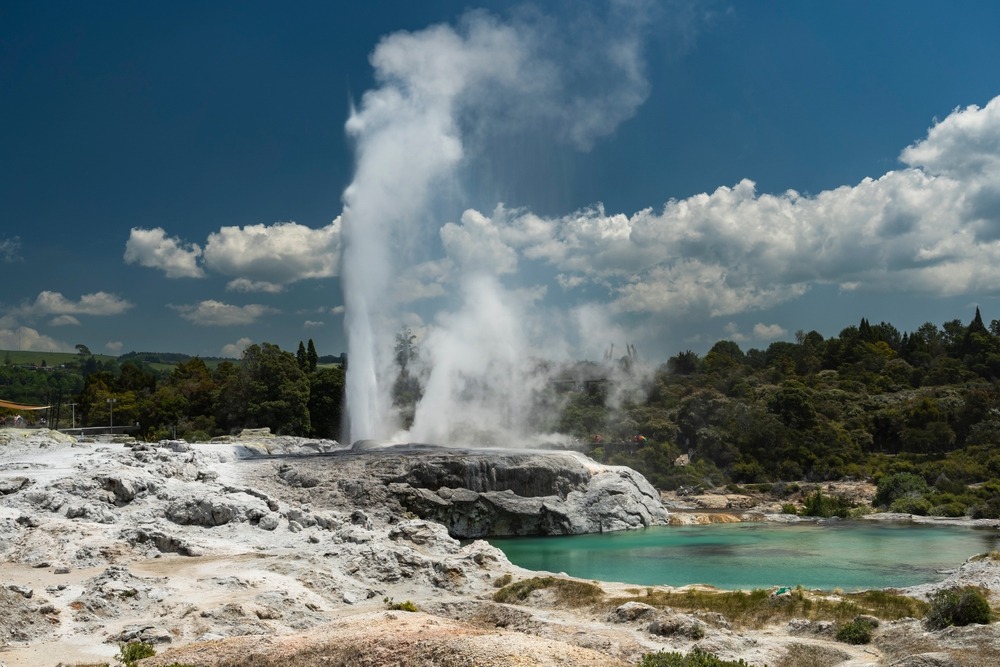
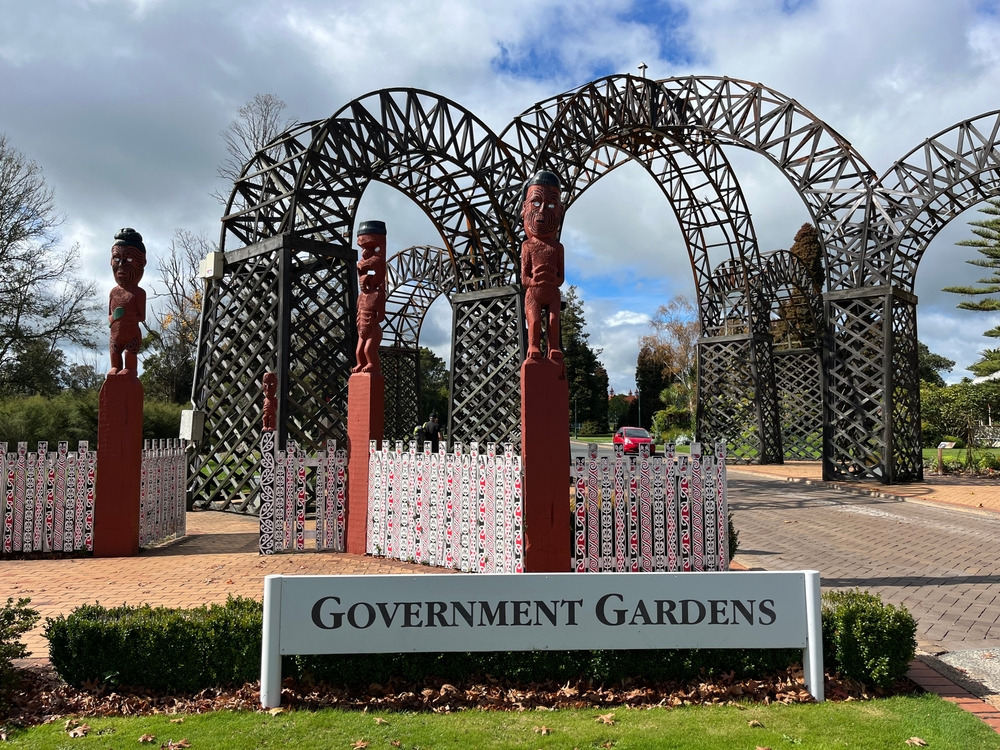
Rotorua and its surroundings concentrate several natural and cultural sites easily combined with a visit to the hatchery. In town, the Government Gardens offer a heritage trail around the Tudor building of Rotorua Museum and historic thermal baths. More broadly, the North Island and South Island offer other nature-focused stops such as Cathedral Cove on the Coromandel Peninsula or the Marlborough Sounds in the north of the South Island.
FAQ
Frequently asked questions
Kiwis are visible in several conservation centres, sanctuaries and nocturnal parks throughout the country. The National Kiwi Hatchery in Rotorua is one of the main publicly accessible sites, and the only one offering a behind-the-scenes tour of a national hatchery programme.
The centre is situated within Agrodome Farm, Ngongotahā, 13 km from Rotorua and approximately 18 km from the airport.
Yes, for those interested in wildlife and conservation. It's one of the rare opportunities to see first-hand the scientific work being conducted around the kiwi, plus the chance to observe adult birds in nocturnal lighting.
It's called Operation Nest Egg (O.N.E.). Launched in 1995 in partnership with the Tongariro Forest Sanctuary, it involves collecting eggs from the wild for safe incubation, raising chicks to a critical weight, then releasing them into protected zones.
To incorporate this visit into a complete North Island itinerary or extend the experience to the South Island, check out our suggestions for New Zealand trips.
Nearby
Interested in this visit?
We can include it in your personalised itinerary.